
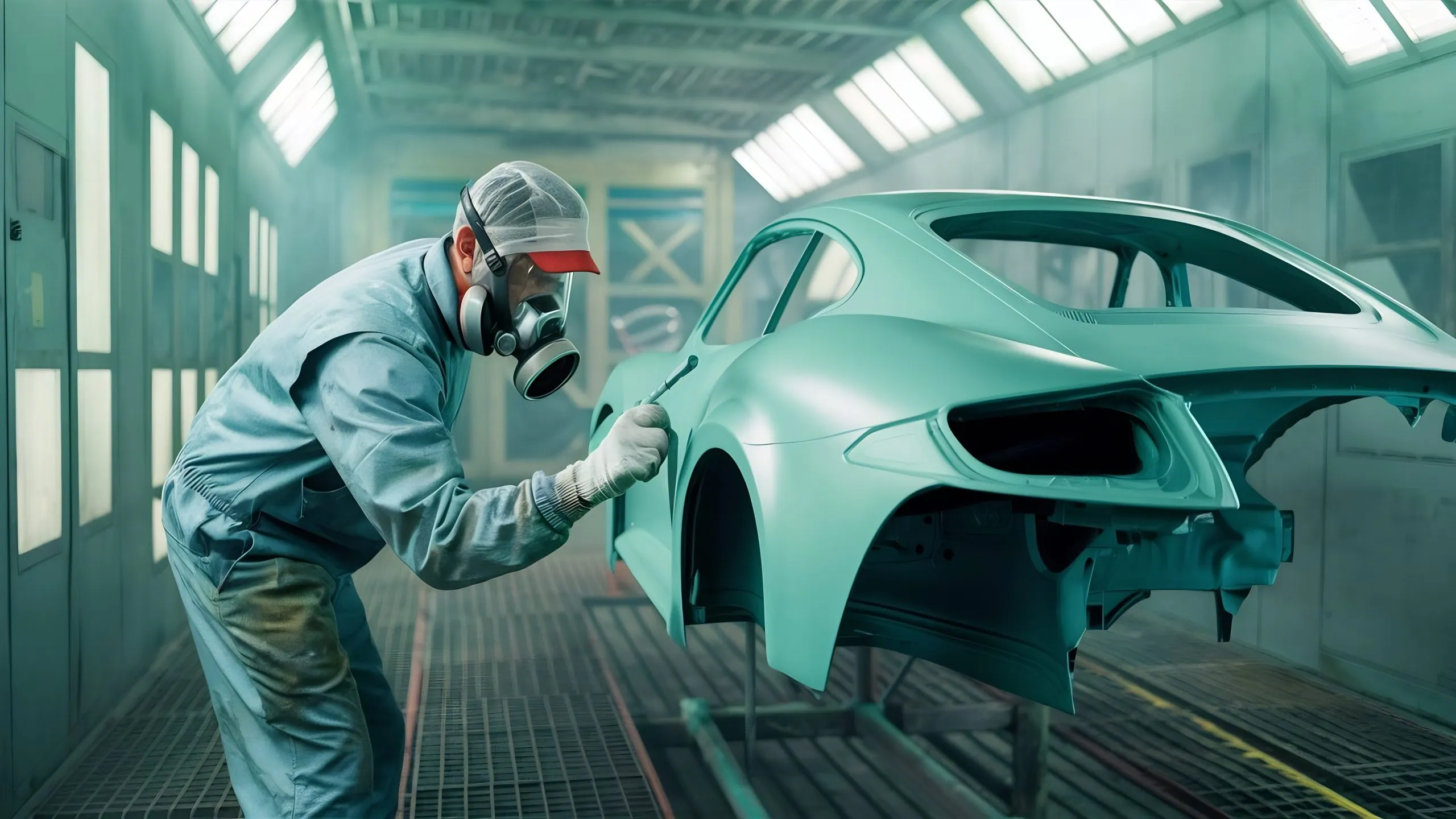
The U.S. automotive paints and coatings market is positioned for steady expansion through 2030, supported by strong vehicle production, aftermarket demand, and evolving coating technologies. The broader U.S. paints and coatings market was valued at over USD 31.7 billion in 2024 and is projected to grow at around 4.5% CAGR through 2030, with automotive applications forming a key segment. Specifically, the U.S. automotive coatings market is estimated at about USD 5.1 billion in 2024, with continued growth driven by innovation, sustainability trends, and rising vehicle ownership.
Key Market Drivers Shaping Growth and Demand in the U.S. Automotive Coatings Market
Rising Automotive Production and Sales
Growth in vehicle production and sales remains the primary driver of demand for automotive coatings. Increasing sales of light vehicles—up nearly 11.7% year-on-year in early 2024—highlight the strong recovery of the U.S. automotive sector. This directly boosts demand for OEM coatings, including primers, basecoats, and clearcoats. Additionally, the rise in SUVs and electric vehicles (EVs) is expanding coating requirements, as these vehicles often require advanced protective and aesthetic finishes.
Expansion of Refinish and Aftermarket Segment
The automotive refinish market is another major growth contributor. Rising road accidents, aging vehicle fleets, and increased vehicle ownership are driving demand for repainting and repair coatings. Industry estimates suggest the U.S. automotive paints and coatings market could grow at a CAGR of around 9% in certain periods, partly due to strong refinish demand. Insurance claims and collision repair activities further strengthen this segment.
Technological Advancements and Sustainability Trends
Technological innovation is reshaping the industry, with increasing adoption of waterborne coatings, powder coatings, and UV-cured technologies. These solutions help reduce volatile organic compound (VOC) emissions while maintaining performance standards. The integration of nanotechnology-based coatings is also gaining traction, improving durability, corrosion resistance, and surface finish. Sustainability is becoming a key purchasing factor for automakers, accelerating the shift toward eco-friendly formulations.
Regulatory Framework and Policy Support Driving Sustainable Automotive Coatings Adoption
The U.S. government supports the automotive coatings sector through environmental regulations and industrial policies. Agencies such as the Environmental Protection Agency (EPA) enforce VOC emission standards, encouraging the adoption of waterborne and low-emission coatings. Additionally, incentives for electric vehicle adoption and domestic manufacturing indirectly boost demand for advanced automotive coatings. Infrastructure investments and support for clean technologies further contribute to long-term market expansion.
Competitive Landscape and Strategic Positioning of Key Industry Players
The market is moderately consolidated, with key players focusing on innovation and strategic partnerships. Major companies include PPG Industries, Sherwin-Williams, Axalta Coating Systems, BASF SE, and Akzo Nobel. These firms invest heavily in R&D to develop high-performance, sustainable coatings. Competitive differentiation is largely based on product quality, environmental compliance, and technological capabilities, with increasing emphasis on customized solutions for OEMs and refinish applications.
Key Challenges Impacting Growth and Operational Efficiency in the Market
Volatility in Raw Material Prices
Fluctuating prices of raw materials such as resins, pigments, and solvents can impact profit margins. Supply chain disruptions and geopolitical factors further exacerbate cost uncertainties.
Stringent Environmental Regulations
While regulations drive innovation, they also increase compliance costs. Manufacturers must continuously invest in R&D to meet evolving VOC and emission standards, which can strain smaller players and limit market entry.
Future Outlook
By 2030, the U.S. automotive paints and coatings market is expected to witness stable growth, supported by technological advancements, EV adoption, and sustainability trends. The shift toward lightweight vehicles and advanced materials will require specialized coatings, creating new opportunities. Additionally, digital color matching, smart coatings, and self-healing technologies are likely to gain traction. While regulatory pressures and cost challenges persist, continued innovation and strong automotive demand will ensure a positive long-term outlook for the industry.
Consultants at Nexdigm, in their latest publication “USA Automotive Paints and Coatings Market Outlook 2030,” analyze the sector by Coating Type (Primer, Basecoat, Clearcoat, Electrocoat), By Technology (Waterborne coatings, Solvent-borne coatings, Powder coatings), and By Resin Type (Acrylic, Polyurethane, Epoxy). Nexdigm suggests that businesses should align their strategies with evolving market dynamics, including sustainability regulations, technological advancements in coatings, and shifting demand patterns across OEM and refinish segments, to remain competitive and capture emerging growth opportunities.
To take the next step, simply visit our Request a Consultation page and share your requirements with us.
Harsh Mittal
+91-8422857704