
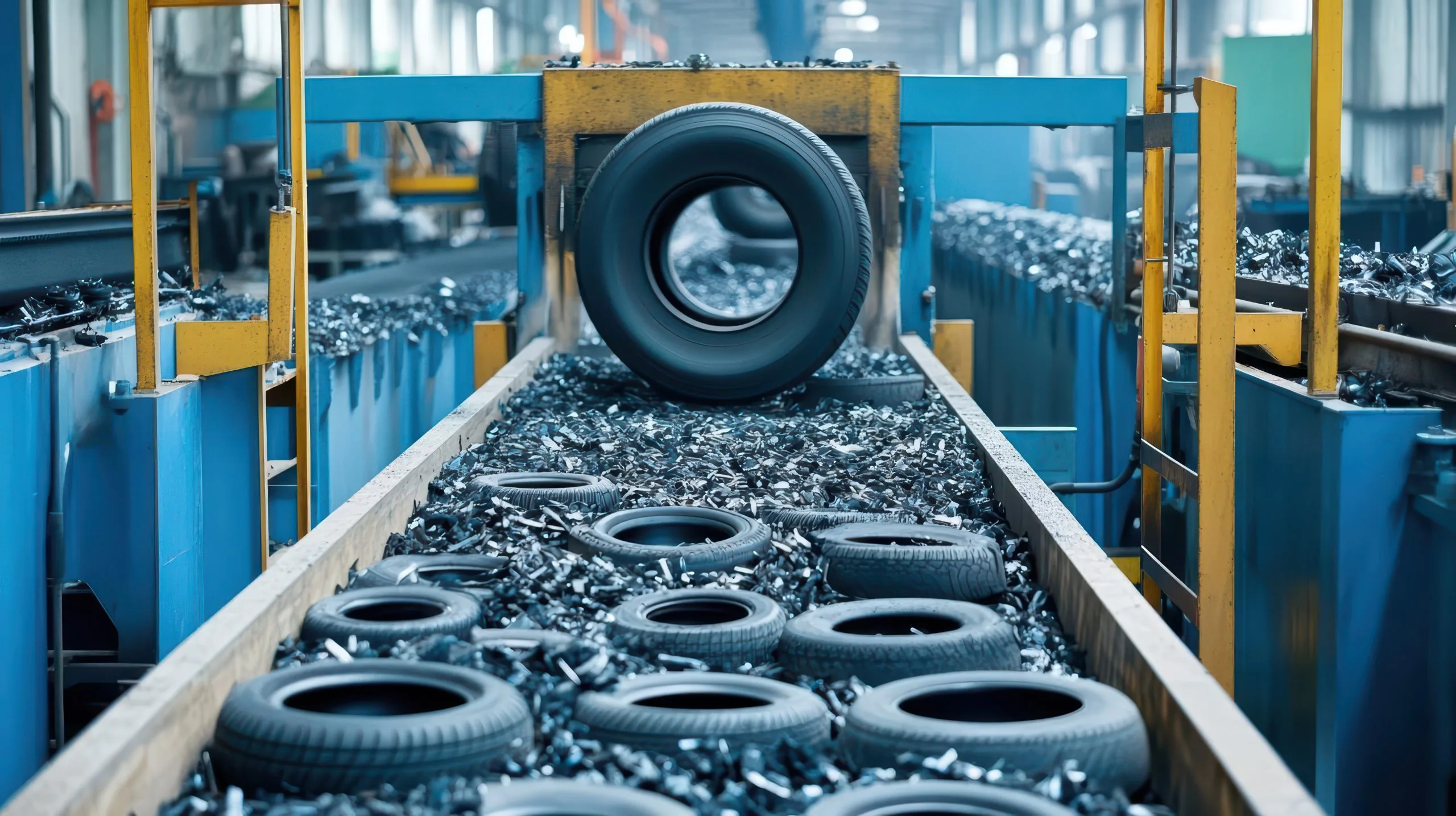
The USA spare tires market forms a niche yet essential segment within the broader automotive tire industry, driven by safety considerations and replacement demand. While the overall U.S. tire market exceeded USD 27 billion in 2025 and is projected to grow steadily at around 3.8% CAGR, spare tires follow a more moderate trajectory tied to vehicle parc and aftermarket demand. Increasing vehicle ownership, rising road travel, and awareness around roadside safety continue to support the segment. However, evolving vehicle designs and declining inclusion of spare tires in new cars are reshaping market dynamics heading toward 2030.
Key Factors Driving Market Growth
Rising Vehicle Ownership and Aftermarket Demand
The steady expansion of the U.S. vehicle fleet is a primary driver for spare tire demand. Passenger vehicles are expected to account for over 77% of tire demand by 2035, reflecting sustained ownership growth and higher replacement cycles. As vehicles age, the likelihood of tire-related failures increases, boosting demand for spare tires in the aftermarket. Additionally, long-distance commuting and logistics activities further elevate the need for backup tire solutions, especially in rural and highway-intensive regions.
Growing Focus on Road Safety and Emergency Preparedness
Spare tires remain critical for emergency mobility, particularly in areas with limited roadside assistance coverage. Consumer awareness regarding safety preparedness—especially for long trips—continues to sustain demand. Globally, the spare tire market is projected to grow at nearly 9% CAGR through the early 2030s, driven largely by safety concerns. This trend translates into steady adoption in the U.S., especially among SUV and commercial vehicle owners.
Expansion of Automotive Aftermarket Ecosystem
The growth of service centers, tire retailers, and storage infrastructure supports spare tire sales. For instance, the U.S. tire storage rack market alone is projected to grow from USD 331 million in 2025 to USD 477 million by 2035, reflecting increasing tire inventory management and replacement activities. This indicates a broader ecosystem expansion that indirectly fuels spare tire demand.
Regulatory Frameworks and Sustainability Initiatives Supporting Tire Safety and Lifecycle Management
Government influence on the spare tire market is indirect but significant through automotive safety regulations and environmental policies. U.S. safety standards mandate tire performance and durability, ensuring consistent replacement demand. Additionally, sustainability initiatives—such as recycling mandates and circular economy policies—encourage efficient tire usage and disposal. Regulatory frameworks promoting eco-friendly materials and reduced emissions are also shaping tire manufacturing practices, indirectly impacting spare tire design and lifecycle.
Market Competition Driven by Leading Tire Manufacturers and Innovation Strategies
The U.S. spare tire market is moderately consolidated, with major tire manufacturers dominating supply. Key players include Bridgestone Americas Inc., Michelin North America, Goodyear Tire & Rubber Company, and Continental Tire the Americas. These companies leverage strong distribution networks and R&D capabilities. Competition is driven by durability, pricing, and innovations such as compact spares and run-flat alternatives.
Key Constraints Impacting Spare Tire Adoption and OEM Demand
Declining Inclusion of Spare Tires in New Vehicles
A key restraint is the decreasing installation of spare tires in modern vehicles. Industry data suggests that a significant share of drivers rarely use spare tires, leading automakers to eliminate them in favor of run-flat tires or repair kits. Space constraints, fuel efficiency goals, and cost reduction strategies further accelerate this trend, limiting OEM-driven demand.
Future Outlook
By 2030, the USA spare tires market is expected to witness stable but moderate growth, primarily driven by the aftermarket segment. While OEM demand may decline due to technological shifts, replacement needs and safety awareness will sustain baseline demand. The integration of smart tire technologies and eco-friendly materials could redefine product offerings. Additionally, increasing adoption of electric vehicles—requiring specialized tire solutions—may create new opportunities. Overall, the market will likely transition from volume-driven growth to value-driven innovation, emphasizing durability, compactness, and sustainability.
Consultants at Nexdigm, in their latest publication “USA Spare Tires Market Outlook 2030,” analyze the sector by System Type (Compact Spare Tires, Full-Size Spare Tires, Donut Spare Tires, Run-flat Tires), By Platform Type (Passenger Vehicles, Light Commercial Vehicles, Heavy Commercial Vehicles), and By Fitment Type (OEM Fitment, Aftermarket Fitment, Direct Fitment). Nexdigm suggests that businesses should align their strategies with evolving automotive trends, particularly the shift toward reduced spare tire inclusion in new vehicles and the growing reliance on aftermarket demand. Companies should focus on developing compact, lightweight, and cost-efficient spare tire solutions while strengthening distribution through service networks and retailers. Additionally, integrating sustainability practices—such as recyclable materials and extended product life—can help businesses remain competitive and compliant with emerging regulatory and consumer expectations.
To take the next step, simply visit our Request a Consultation page and share your requirements with us.
Harsh Mittal
+91-8422857704