
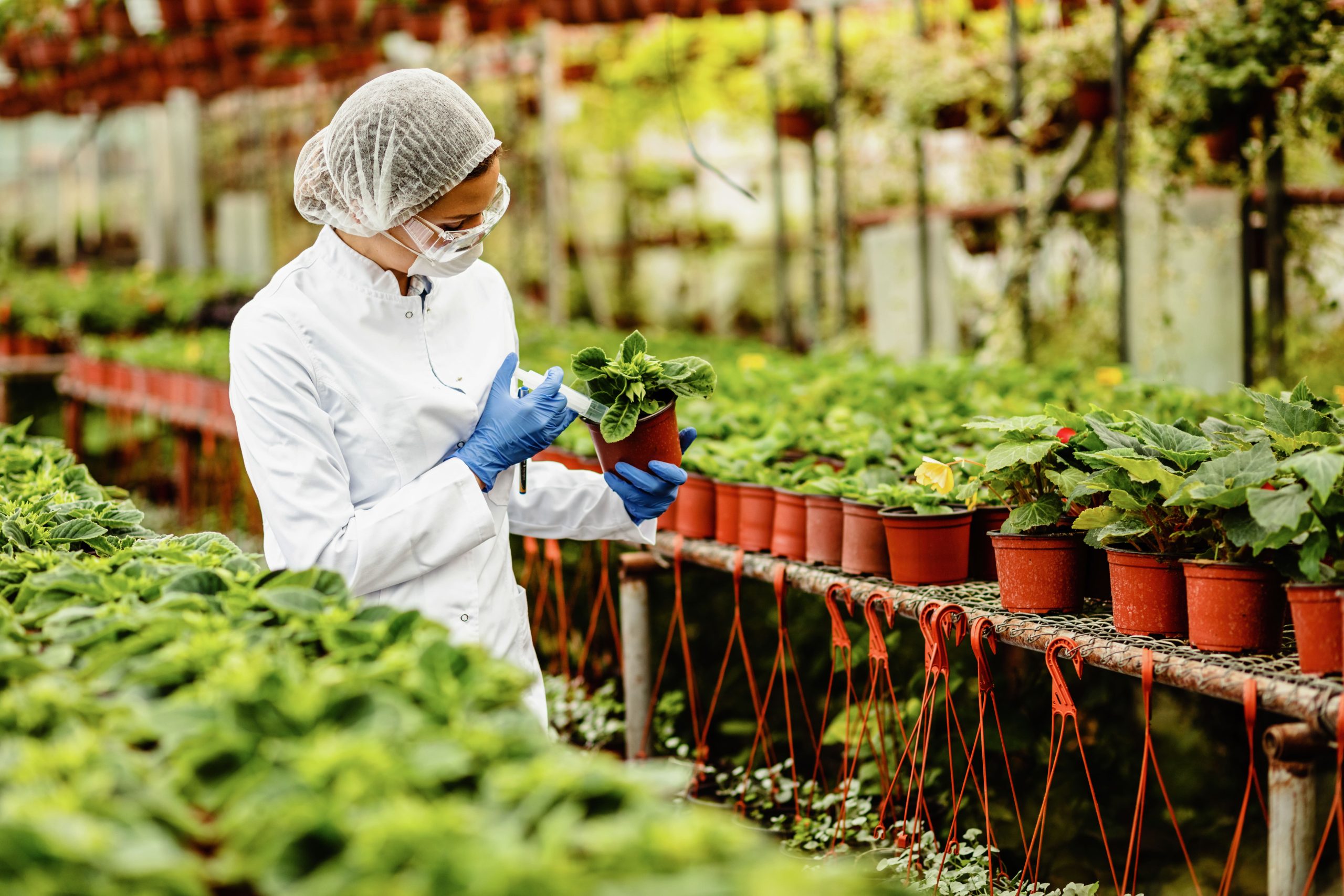
The UAE agrochemical market is evolving steadily as the country strengthens its food security agenda and accelerates investments in climate-resilient agriculture. Despite limited arable land and harsh climatic conditions, the UAE is expanding domestic crop production through greenhouse farming, hydroponics, vertical agriculture, and desert soil enhancement programs. As of 2026, the UAE remains highly dependent on imported crop protection chemicals and specialty fertilizers, with global suppliers accounting for the majority of market share. However, rising adoption of controlled-environment agriculture, precision farming practices, and integrated pest management (IPM) systems is reshaping demand patterns. The market is transitioning from conventional bulk agrochemicals toward high-efficacy, low-toxicity, and crop-specific formulations that support sustainable yields in water-scarce environments.
What’s Driving the Agrochemical Market in the UAE?
Expansion of Controlled-Environment and Desert Agriculture
The UAE’s focus on greenhouses, vertical farms, and hydroponic systems is increasing the need for specialized agrochemicals such as micronutrient blends, bio-stimulants, and low-residue pesticides. These farming models demand precise nutrient delivery and targeted pest control to maintain crop quality and productivity in controlled settings. As commercial agri-tech farms scale operations in Abu Dhabi and Dubai, demand for premium, crop-specific formulations is rising, particularly for leafy greens, tomatoes, cucumbers, and berries.
Rising Pressure to Improve Yield per Hectare
With arable land remaining under 6% of total land area, maximizing productivity per unit of cultivated land is a strategic priority. Farmers are increasingly adopting high-performance fertilizers, soil conditioners, and foliar nutrition products to improve yield intensity. The shift toward high-value horticulture and protected crops further amplifies demand for customized nutrient solutions and pest management programs. This yield-maximization drive is also encouraging the use of precision application technologies, improving agrochemical efficiency and reducing wastage.
Adoption of Integrated Pest Management and Bio-Based Inputs
Growing awareness of food safety and environmental sustainability is accelerating the adoption of IPM practices. Commercial farms and food producers are gradually shifting toward bio-pesticides, microbial products, and residue-compliant formulations. This trend is supported by retailers and hospitality buyers demanding traceability and low chemical residue levels in locally grown produce. The gradual replacement of broad-spectrum chemicals with targeted solutions is reshaping product portfolios across the UAE agrochemical market.
Government-Led Initiatives Supporting Sustainable Agriculture
The UAE government continues to promote sustainable agriculture under the National Food Security Strategy 2051 and Net Zero 2050 commitments. Subsidies for modern irrigation systems, incentives for water-efficient farming, and grants for agri-tech innovation are indirectly driving agrochemical demand. Government-backed research partnerships with agri-tech firms and universities are also encouraging the adoption of soil health enhancers and bio-based crop protection products. Regulatory oversight on chemical residues and safe usage practices is expected to tighten further, encouraging the use of compliant, next-generation formulations.
Market Competition and Import Dependency
The UAE agrochemical market remains highly import-dependent, with multinational players dominating the supply of crop protection chemicals, specialty fertilizers, and bio-stimulants. Distribution is largely managed through authorized distributors and agri-input retailers, while direct-to-farm partnerships are emerging among large commercial producers. The market is moderately concentrated, with global agrochemical firms leveraging strong distribution networks and technical advisory services to retain customer loyalty. Price sensitivity among small and mid-sized farms continues to favor generic formulations, while premium products are gaining traction in controlled-environment agriculture.
Water Scarcity and Regulatory Compliance
Severe water constraints limit the scale of open-field cultivation, naturally capping volume growth for traditional agrochemicals. In parallel, increasing regulatory scrutiny on residue levels, product registration, and environmental safety raises compliance costs for suppliers. Farmers also face rising input costs, which can slow the adoption of premium and bio-based products without adequate financial support or yield-linked incentives.
Future Outlook
The UAE agrochemical market is expected to grow steadily through 2035, driven by agri-tech expansion, yield optimization needs, and the transition toward sustainable farming inputs. Demand will increasingly shift toward specialty fertilizers, bio-pesticides, and precision-compatible formulations tailored for greenhouse and hydroponic systems. By 2035, the market is likely to become more structured, with stronger regulatory enforcement, wider adoption of digital agronomy advisory platforms, and deeper collaboration between agrochemical suppliers and agri-tech farms. While overall volumes may remain modest due to land constraints, the UAE will emerge as a high-value, innovation-led agrochemical market in the Middle East.
Consultants at Nexdigm, in their latest publication “UAE Agrochemical Market Outlook to 2035”, analyzed the market by Product Type (Fertilizers, Herbicides, Insecticides, Fungicides, Bio-Pesticides, Bio-Stimulants), By Crop Type (Vegetables, Fruits, Cereals, Forage Crops, Ornamental Plants), and By Application Method (Foliar Spray, Soil Treatment, Fertigation, Seed Treatment). Nexdigm believes that businesses should prioritize bio-based portfolios, precision-compatible formulations, and technical advisory partnerships with commercial farms, while leveraging controlled-environment agriculture as the primary growth engine for the UAE agrochemical market.
To take the next step, simply visit our Request a Consultation page and share your requirements with us.
Harsh Mittal
+91-8422857704