
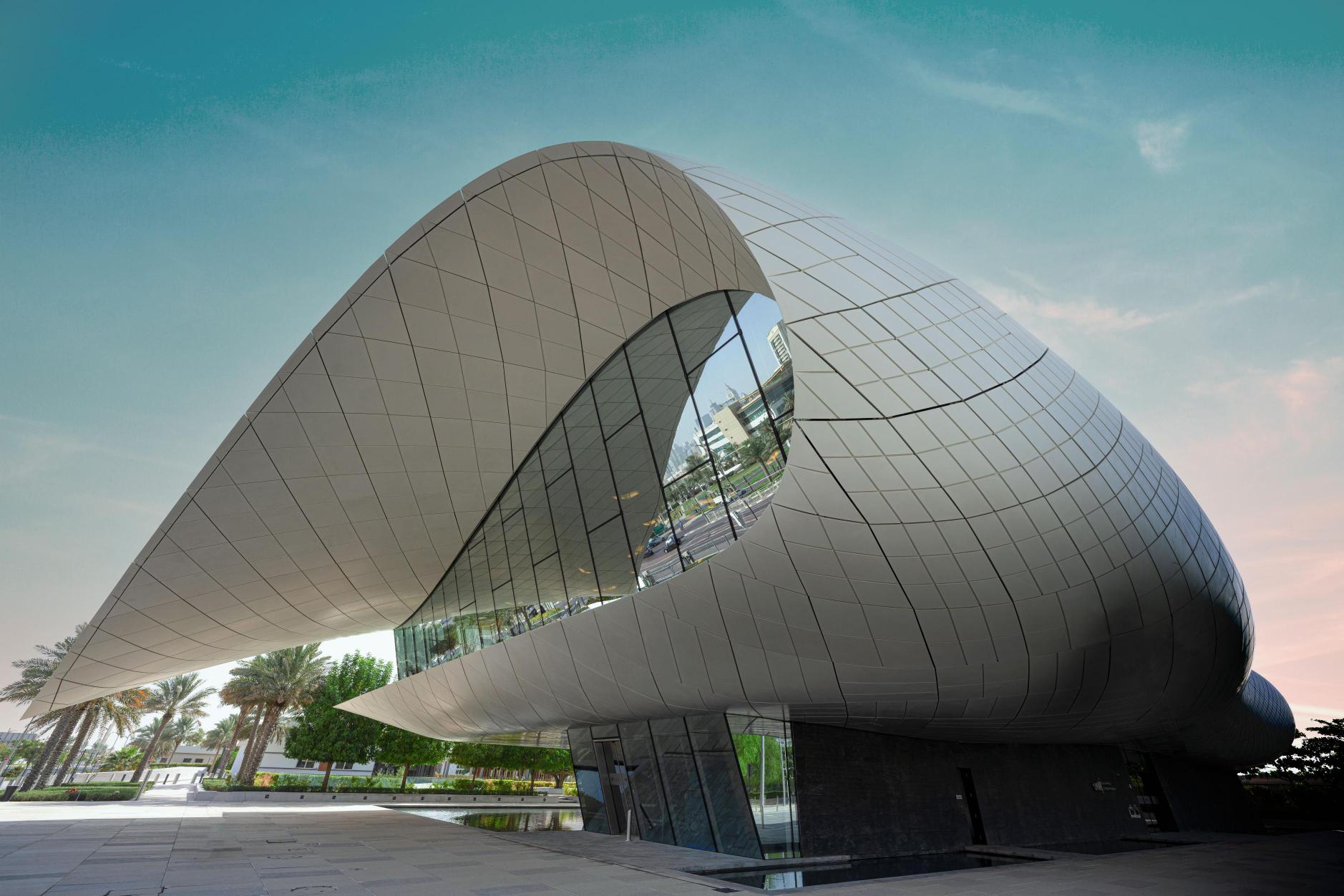
The UAE architectural and construction glass market is witnessing steady growth, supported by rapid urbanization, large-scale commercial developments, and increasing investments in sustainable infrastructure. The market is valued at approximately USD 2.45 billion and is projected to expand at a CAGR of around 6.8% over the forecast period. Demand is particularly strong in Dubai and Abu Dhabi, where high-rise residential, hospitality, and commercial projects continue to shape skylines. Growing adoption of energy-efficient glazing solutions and modern facade systems is further strengthening the role of architectural glass in the UAE construction sector.
Market Drivers Advancing the UAE Architectural and Construction Glass Growth
Rising High-Rise Construction and Urban Development
The UAE continues to invest heavily in premium residential towers, commercial complexes, tourism infrastructure, and mixed-use developments. Dubai remains a major hub for skyscraper construction, creating substantial demand for facade glass, tempered glass, and insulated glazing units. As developers focus on iconic architecture and enhanced aesthetics, glass has become an essential building material in modern construction projects.
Growing Demand for Energy-Efficient Building Materials
The region’s hot climate has increased the importance of energy-efficient construction materials. Low-emissivity (Low-E) glass and double-glazed units help reduce solar heat gain while improving indoor comfort and lowering cooling costs. As a result, architects and developers are increasingly incorporating advanced glazing technologies into commercial and residential projects. This trend aligns with the UAE’s focus on reducing energy consumption and improving building performance.
Technological Advancements in Glass Manufacturing
Domestic manufacturers are investing in automated production technologies, robotic precision cutting, and advanced tempering processes to improve product quality and production efficiency. These innovations help reduce lead times for large-scale construction projects while enabling customization of architectural glass products. Smart glass, solar control glass, and safety glazing solutions are also gaining traction as building owners seek superior performance and sustainability benefits.
Government Initiatives Supporting Vietnam Architectural and Construction Glass Industry
The UAE government actively promotes sustainable construction through green building regulations and energy-efficiency standards. Initiatives such as the Dubai Green Building Regulations and Specifications encourage the use of environmentally friendly materials, including energy-efficient glass solutions. Additionally, the UAE Net Zero 2050 strategic initiative is motivating developers and contractors to adopt sustainable building envelopes that reduce operational energy consumption and carbon emissions, creating favorable conditions for market growth.
Competitive Landscape of Vietnam Architectural and Construction Glass Sector
The UAE architectural and construction glass market features a mix of domestic manufacturers and international suppliers. Key participants compete through technological innovation, product quality, energy-efficient offerings, and large-scale project capabilities. Companies such as Emirates Float Glass and other regional processors play an important role in supplying tempered, laminated, and insulated glass products. Strategic collaborations with construction firms and architects remain a common approach to strengthening market presence.
Challenges Impacting Vietnam Architectural and Construction Glass Industry
High Raw Material and Energy Costs
Glass manufacturing is energy intensive, making production costs sensitive to fluctuations in fuel and utility prices. Rising operational expenses can impact profit margins for manufacturers and increase project costs for developers.
Intense Market Competition
The presence of both local and international suppliers creates significant pricing pressure. Companies must continuously invest in innovation, quality improvements, and sustainability certifications to maintain a competitive advantage and meet evolving customer expectations.
Future Outlook
The future of the UAE architectural and construction glass market remains promising, driven by continued urban development, sustainability initiatives, and technological innovations. The market is expected to reach nearly USD 4.75 billion by the end of the forecast period, supported by increasing adoption of Low-E glass, insulated glazing systems, and smart glass technologies. Growing emphasis on green buildings, energy efficiency, and climate-resilient infrastructure will further accelerate demand. As construction projects become more sophisticated, advanced architectural glass solutions are expected to play a central role in shaping the UAE’s modern built environment.
Consultants at Nexdigm, in their latest publication “UAE Architectural and Construction Glass Market Outlook to 2035 ,” analyze the sector By (Defining UAE Glass Market Scope, Primary Data Collection via Interviews, Top-Down Building Code Analysis,).
Nexdigm suggests that businesses in the UAE Architectural and Construction Glas industry focus on energy efficient glazing solutions, sustainable building materials, and advanced glass technologies. Aligning offerings with green building regulations and rising demand for high-performance facade systems can help companies strengthen competitiveness and capture long-term growth opportunities.
To take the next step, simply visit our Request a Consultation page and share your requirements with us.
Harsh Mittal
+91-8422857704