
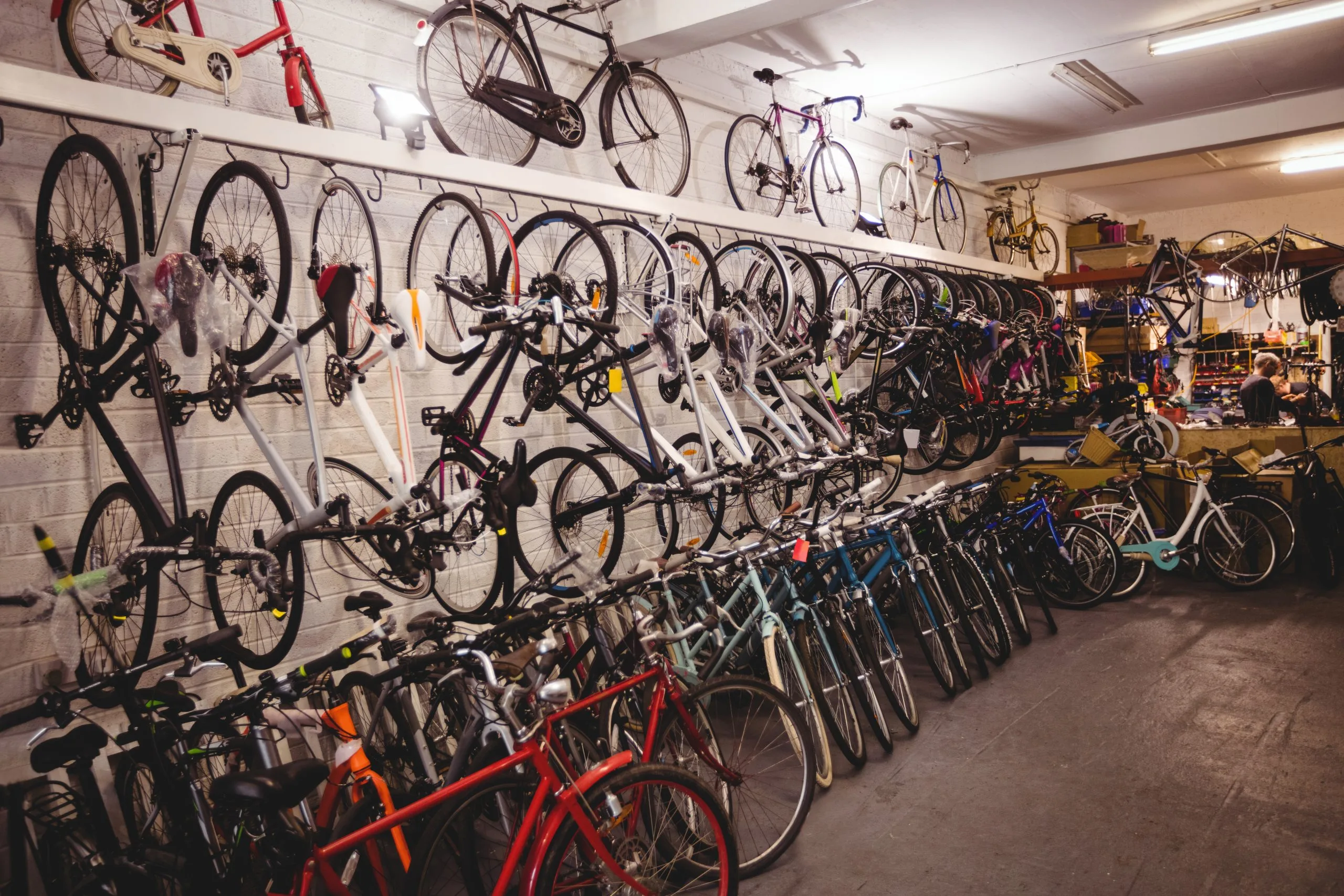
The UAE bicycle market is expected to grow steadily as cycling becomes more closely linked with fitness, recreation, tourism, sustainable mobility, and smart urban transport. E-bikes are gaining traction, with the UAE e-bike market projected to grow at a 5.89% CAGR in the coming years. Dubai is also expanding cycling infrastructure, with plans to grow its cycling track network from 544 km to 1,000 km. As cities invest in active mobility and residents seek healthier, lower-emission travel options, bicycles and e-bikes are expected to gain stronger relevance across leisure, commuting, and last-mile transport. This shift reflects the UAE’s broader move toward more connected, healthier, and sustainable urban lifestyles. It also creates opportunities for brands serving both everyday riders and premium cycling enthusiasts.
Major Factors Driving Growth in the UAE Bicycle Market
E-Bikes Are Supporting Smarter Short-Distance Travel
E-bikes are becoming an important growth driver in the UAE bicycle market. They appeal to commuters, delivery users, tourists, fitness-conscious residents, and consumers seeking short-distance mobility with lower emissions. The UAE e-bike market is expected to grow rapidly, supported by urbanization, improved cycling infrastructure, and rising interest in alternative transport. E-bikes are especially relevant in areas where residents need convenient first- and last-mile mobility between homes, metro stations, offices, retail districts, and waterfront destinations. As technology improves, models with better battery range, safety features, and connected functions are likely to attract more users. E-bikes can also make cycling more accessible to people who may find conventional bicycles difficult in longer or warmer conditions. Over time, they could become a practical bridge between leisure cycling and daily urban mobility.
Fitness, Recreation, and Tourism Are Expanding Bicycle Use
Cycling in the UAE is strongly linked with fitness, recreation, and lifestyle experiences. Dedicated cycling destinations, community rides, cycling clubs, and tourism-focused tracks are helping the activity gain popularity among residents and visitors. Premium road bikes, mountain bikes, hybrids, and e-bikes are benefiting from demand among health-conscious consumers and outdoor enthusiasts. Dubai’s growing cycling network also supports more frequent recreational use, making cycling part of the wider wellness and leisure economy. The UAE’s high-income consumer base can support demand for premium bicycles, performance accessories, and specialist retail services. Cycling events, wellness communities, and tourism experiences are also helping build stronger visibility for the category. As more residents adopt active lifestyles, bicycles are likely to remain important for both personal fitness and outdoor recreation.
Infrastructure Growth Is Making Cycling More Practical
Cycling infrastructure is central to long-term market growth. Dubai’s Roads and Transport Authority has stated that its plan aims to increase the total length of cycling tracks. This expansion is designed to support bicycle, scooter, and pedestrian mobility while improving safety and connectivity. Better routes can encourage more residents to cycle for short trips, recreation, and first- and last-mile travel. As the UAE continues to focus on lower-emission transport, cycling can become a stronger part of urban mobility planning. Safer and better-connected routes can also help convert occasional riders into more regular users. Infrastructure will be especially important in making cycling feel convenient, secure, and realistic in everyday urban settings.
Government Initiatives Building a Cycling-Friendly UAE
Government and city-level initiatives are creating a more favorable environment for cycling in the UAE. Dubai’s cycling infrastructure plan aims to expand the network to 1,000 km in the coming years, supporting the emirate’s broader goal of becoming more bicycle friendly. Abu Dhabi has also promoted cycling as part of sustainable urban mobility, with initiatives linked to expanding its cycling network and hosting global cycling forums. These measures can improve rider confidence, support tourism, reduce dependence on cars for short trips, and create stronger demand for bicycles, e-bikes, accessories, and maintenance services. Public investment in cycling infrastructure also signals that bicycles are being treated as part of long-term mobility planning, not just recreation. As these networks become more connected, cycling can play a larger role in sustainable transport and active living.
Competitive Insights of the UAE Bicycle Market
The UAE bicycle market is competitive, with international brands, regional distributors, specialty bicycle stores, mass retailers, e-bike companies, rental operators, and tourism-focused cycling service providers competing across price, performance, design, and service. Premium brands benefit from demand for high-quality road bikes, mountain bikes, and e-bikes, while rental and sharing operators serve tourists and occasional riders. Competition is also increasing battery range, after-sales service, financing, accessories, and safety features. As the market matures, brands with strong service networks and reliable product quality are likely to stand out. Retailers that offer expert fitting, maintenance, upgrades, and product guidance can build stronger relationships with riders. Companies that balance premium appeal with practical mobility solutions will be better placed to serve the UAE’s diverse cycling audience.
What Could Slow Down the UAE Bicycle Market?
Climate and Seasonal Riding Patterns
The UAE’s hot climate can limit cycling during summer months, especially for commuting and outdoor recreation. High temperatures may reduce usage frequency and shift demand toward early-morning, evening, indoor, or seasonal cycling. Brands and infrastructure planners need to consider shaded routes, hydration access, safe storage, and products suited to harsh weather conditions. Seasonal usage can also affect bicycle sales, rental demand, and service revenue during hotter periods. To support year-round participation, cities may need more climate-adapted infrastructure and shaded cycling corridors. Product innovation around lightweight materials, ventilation, hydration accessories, and heat-resistant components can also help improve rider comfort.
Safety, Cost, and E-Bike Trust
Road safety and infrastructure connectivity remain important challenges, particularly outside dedicated cycling zones. Premium bicycles and e-bikes can also be expensive, which may limit adoption among value-conscious consumers. E-bike growth will depend on clear safety standards, battery reliability, charging convenience, and after-sales support. Without strong consumer trust in safety and service, adoption may remain concentrated among enthusiasts, commuters in select areas, and premium buyers. Theft prevention, secure parking, and rider education will also be important for encouraging daily use. Brands and policymakers will need to work together to make cycling safer, more affordable, and easier to maintain.
Future Outlook
The UAE bicycle market is expected to become more premium, electric, tourism-linked, and infrastructure-led. E-bikes will likely gain stronger traction as cities improve cycling routes and residents seek convenient, low-emission mobility for short trips. Conventional bicycles will continue to serve fitness, recreation, youth, and performance segments. Growth will depend on safer infrastructure, climate-adapted cycling routes, better service networks, and accessible pricing. Brands that combine quality, safety, battery reliability, premium design, and strong after-sales support will be better positioned to capture long-term opportunities in the UAE’s evolving bicycle market. Tourism, wellness, and smart mobility trends will further support demand for both conventional bicycles and e-bikes. As cycling becomes better integrated into urban planning, the UAE could emerge as one of the region’s more advanced bicycle-friendly markets.
Consultants at Nexdigm, in their latest publication UAE Bicycle Market Outlook to 2035,” analyzed the market by Product Type (Road, Mountain, Hybrid, Electric, Gravel, Kids Bicycle), by Price Range (Mass Market, Mid-Range, Premium Range)
Nexdigm believes businesses bicycle industry must focus on electric mobility, safety, affordability, and after-sales service to capture long-term growth. As cycling becomes part of fitness, recreation, tourism, and urban transport, brands should invest in durable products, reliable batteries, strong service networks, and infrastructure-aligned mobility solutions.
To take the next step, simply visit our Request a Consultation page and share your requirements with us.
Harsh Mittal
+91-8422857704