
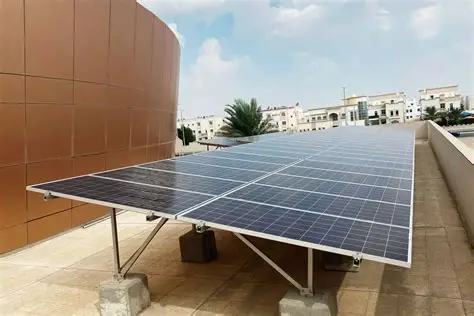
The UAE Building Energy Retrofit Market is witnessing significant growth, driven by ambitious sustainability goals, rising energy-efficiency requirements, and increasing investments in green buildings. Building energy retrofits involve upgrading HVAC systems, lighting, insulation, building automation systems, and energy management technologies to reduce energy consumption and operational costs. With a population exceeding 10 million, urbanization above 87%, and one of the world’s highest per-capita electricity consumption rates, the UAE is prioritizing energy-efficient buildings across commercial, residential, hospitality, healthcare, and government sectors. Growing adoption of smart-building technologies and net-zero commitments is further accelerating retrofit investments.
Key Market Drivers for the UAE Building Energy Retrofit Market
Rising Energy Efficiency Targets and Building Modernization Accelerate Adoption
Buildings account for a significant share of electricity consumption in the UAE, particularly due to cooling requirements. HVAC systems alone can represent 60–70% of total building energy consumption in commercial buildings. Property owners are increasingly upgrading chillers, smart thermostats, building management systems (BMS), and lighting systems to achieve energy savings, reduce utility costs, and improve sustainability performance.
Smart City Development and Commercial Real Estate Upgrades Create Opportunities
Major developments such as Masdar City, Expo City Dubai, Dubai South, and mixed-use urban projects are driving demand for energy-efficient building technologies. In addition, older commercial buildings, hotels, shopping malls, airports, and office complexes are increasingly undertaking retrofit programs to comply with green-building standards and improve operational efficiency.
Data Centers and District Cooling Expansion Strengthen Market Growth
The rapid growth of data centers, digital infrastructure, and district cooling networks is increasing demand for building energy optimization solutions. Data centers require advanced cooling and energy-management systems, while district cooling operators are investing in efficiency upgrades to reduce electricity consumption and support sustainability objectives.
Government Initiatives Supporting the UAE Building Energy Retrofit Market
The UAE government actively supports energy-efficiency projects through the UAE Net Zero 2050 Strategic Initiative, under which more than AED 600 billion (approximately USD 163 billion) has been earmarked for clean energy and sustainability investments. Programs such as the Dubai Demand Side Management Strategy 2050, Estidama, Dubai Green Building Regulations, and the Abu Dhabi Energy Services (ADES) retrofit initiatives are encouraging upgrades across government, commercial, and residential buildings. These programs aim to reduce electricity and water consumption while supporting national carbon-reduction and energy-efficiency targets.
Competitive Landscape of the UAE Building Energy Retrofit Market
The UAE Building Energy Retrofit Market is highly competitive, with participation from energy service companies (ESCOs), building automation providers, HVAC manufacturers, and sustainability consultants. Competition is increasingly focused on high-efficiency chillers, LED lighting upgrades, smart building management systems, AI-driven energy analytics, occupancy monitoring solutions, and performance-based retrofit contracts. Major participants including Siemens, Schneider Electric, Honeywell, Johnson Controls, ENGIE Solutions, Emirates Green Building Council, and Abu Dhabi Energy Services (ADES) continue to expand retrofit offerings. Growing investments in commercial office towers, hotels, airports, healthcare facilities, and government buildings are accelerating adoption of integrated energy-efficiency solutions.
Major Challenges Facing the UAE Building Energy Retrofit Market
High Upfront Investment Costs
Although retrofit projects generate long-term savings, the initial capital requirements for HVAC upgrades, energy-management systems, insulation enhancements, and building automation technologies can be substantial for some building owners.
Technical Integration and Building Complexity
Retrofitting older buildings often requires integration with existing infrastructure, creating challenges related to interoperability, installation timelines, and operational disruptions during modernization efforts.
Future Outlook
The UAE Building Energy Retrofit Market is expected to witness strong growth through 2035, supported by clean-energy investments exceeding AED 600 billion, increasing deployment of smart-building technologies, and growing adoption of green-building standards. Expansion of district cooling infrastructure, rising electricity demand from commercial developments, and continued modernization of existing building stock will strengthen retrofit opportunities. Additionally, technologies such as AI-powered energy management, digital twins, IoT-enabled building automation, smart sensors, and predictive maintenance platforms are expected to accelerate market adoption. Companies specializing in integrated retrofit solutions, smart energy analytics, and high-efficiency HVAC upgrades are expected to benefit significantly from the UAE’s transition toward sustainable and low-carbon buildings.
Consultants at Nexdigm, in their latest publication “UAE Building Energy Retrofit Market Outlook to 2035” analyse the sector By Retrofit Technology (Variable Frequency Drives, Chiller Plant Optimization and Thermal Energy Storage), By Building Ownership Profile (Government and Public Assets and Industrial and Warehouse Complexes) and By Service Delivery Model (Performance-Based Contracting, Shared Savings Financing and Turnkey EPC Services).
Nexdigm suggests that businesses in the UAE Building Energy Retrofit Industry prioritize high-efficiency HVAC retrofits, smart building management systems, LED lighting upgrades, AI-based energy analytics, and performance-contracting models to capitalize on AED 600 billion+ clean-energy investments, expanding smart-city developments, increasing sustainability regulations, and growing demand for energy-efficient commercial and residential buildings across the UAE.
To take the next step, simply visit our Request a Consultation page and share your requirements with us.
Harsh Mittal
+91-8422857704