
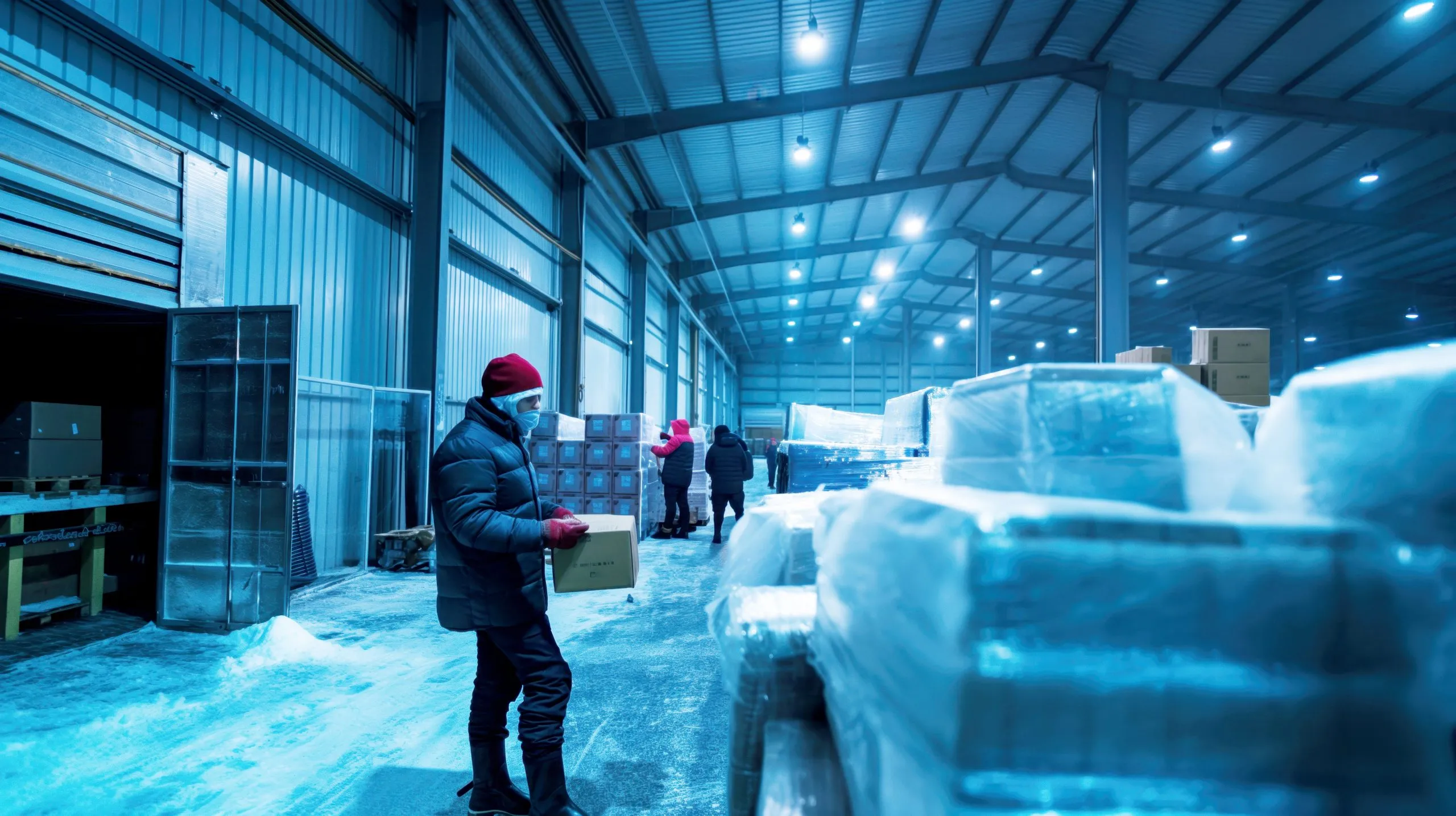
The UAE cold chain logistics market has moved from being a support function to a core part of national supply planning. In a country where a large share of food arrives from overseas, temperature-controlled storage and transport are not optional. They are essential. Fresh produce from Europe, meat from Australia, seafood from Asia, and vaccines shipped from global manufacturers all depend on reliable handling once they land in Dubai or Abu Dhabi. By 2026, demand is also coming from new directions. Online grocery orders need same-day chilled delivery. Hospitals need tighter controls for sensitive medicines. Hotels and restaurants want consistent quality with minimal waste. That combination is pushing operators to upgrade warehouses, fleets, and monitoring systems. Through 2035, the market should benefit from both rising consumption and the UAE’s role as a regional transit point.
What’s Driving the Cold Chain Logistics Market in the UAE?
Heavy Dependence on Imported Food
The UAE’s climate limits large-scale farming, so imported food remains central to supply. That creates year-round demand for refrigerated containers, cold rooms, and last-mile delivery capacity. Supermarkets stock berries in summer, frozen poultry, specialty dairy, and ready meals sourced from multiple continents. None of that works without dependable temperature control. In practice, retailers now care less about just having storage space and more about speed and consistency. A delayed shipment of fruit can lose shelf life before it reaches stores. That is why facilities near ports such as Jebel Ali and around major city clusters are attracting steady investment.
Pharmaceutical Distribution and Healthcare Standards
Healthcare logistics is becoming one of the more profitable segments of the market. Vaccines, insulin, biologics, and specialty treatments often require narrow temperature ranges and full traceability. A simple refrigeration unit is no longer enough. Clients want sensor data, alarms, audit trails, and validated packaging. The UAE has been building its reputation as a healthcare and re-export hub, which helps this segment. Shipments entering the country are often redistributed across the Gulf, Africa, and South Asia. For logistics firms, pharma contracts usually bring better margins than food cargo, but they also come with stricter compliance demands.
Rise of E-Commerce Grocery and Quick Delivery
Consumer behavior has changed quickly. Many households now order milk, frozen snacks, vegetables, and meal kits through apps rather than weekly store visits. That sounds convenient, but it creates a difficult operating model. Cold products must move fast, often in small baskets, through hot urban conditions. As a result, companies are opening smaller fulfillment nodes inside cities instead of relying only on large peripheral warehouses. The economics are not always easy, yet customer expectations for rapid delivery leave little choice. This urban cold chain layer will likely become more important over the next decade.
Government-Led Initiatives Supporting Logistics Growth
Public investment has given the UAE a clear advantage. Ports, airports, highways, and customs systems are generally more efficient than many competing regional markets. Jebel Ali Port, Khalifa Port, and major air cargo gateways allow perishables to move quickly from vessel or aircraft to storage. That matters because every hour can affect product quality. Digital customs processing has also reduced friction. While paperwork still exists, clearance times are often shorter than in many neighboring markets. The government’s wider focus on food security and supply resilience should continue to support new cold storage capacity.
Market Competition and Industry Structure
The market is moderately concentrated. Large international groups compete with regional specialists and local transport firms. Global names such as DHL, DP World, Agility, and Emirates SkyCargo bring scale, technology, and multinational customer relationships. Smaller operators usually compete on flexibility, local routes, and price. A noticeable shift is underway: clients increasingly prefer integrated providers that can handle port clearance, warehousing, transport, and final delivery under one contract. That reduces handover risk, which is often where temperature failures occur.
High Energy Costs and Operational Complexity
Cooling assets consume large amounts of electricity, especially during peak summer months. Warehouses need backup systems, insulated design, and regular maintenance. Refrigerated trucks face similar pressure when doors open repeatedly during deliveries. A common challenge is margin compression. Customers want low prices, but operators deal with fuel costs, labor needs, equipment servicing, and spoilage risk. Smaller firms can struggle to keep up with technology upgrades, which may lead to market consolidation over time.
Future Outlook
The UAE cold chain logistics market looks set for steady expansion through 2035. Food imports will remain substantial, healthcare demand should deepen, and online retail will keep reshaping urban delivery models. At the same time, buyers will become more selective. They will want reliability, live visibility, and fewer product losses rather than simply cheaper storage. Automation, route planning software, and IoT temperature tracking are likely to become standard features rather than premium add-ons. The UAE may not be the largest cold chain market globally, but it has a realistic chance to remain one of the most efficient gateways for temperature-sensitive trade across the Middle East and beyond.
Consultants at Nexdigm, in their latest publication “UAE Cold Chain Logistics Market Outlook to 2035”, analyzed the market by Service Type (Cold Storage, Refrigerated Transport, Value-Added Services), By End User (Food & Beverage, Pharmaceuticals, Chemicals, Retail), and By Mode of Transport (Road, Air, Sea). Nexdigm believes that businesses should prioritize energy-efficient infrastructure, digital traceability systems, and strategic hub locations while leveraging the UAE’s re-export advantage as a key growth lever in the regional cold chain market.
To take the next step, simply visit our Request a Consultation page and share your requirements with us.
Harsh Mittal
+91-8422857704