
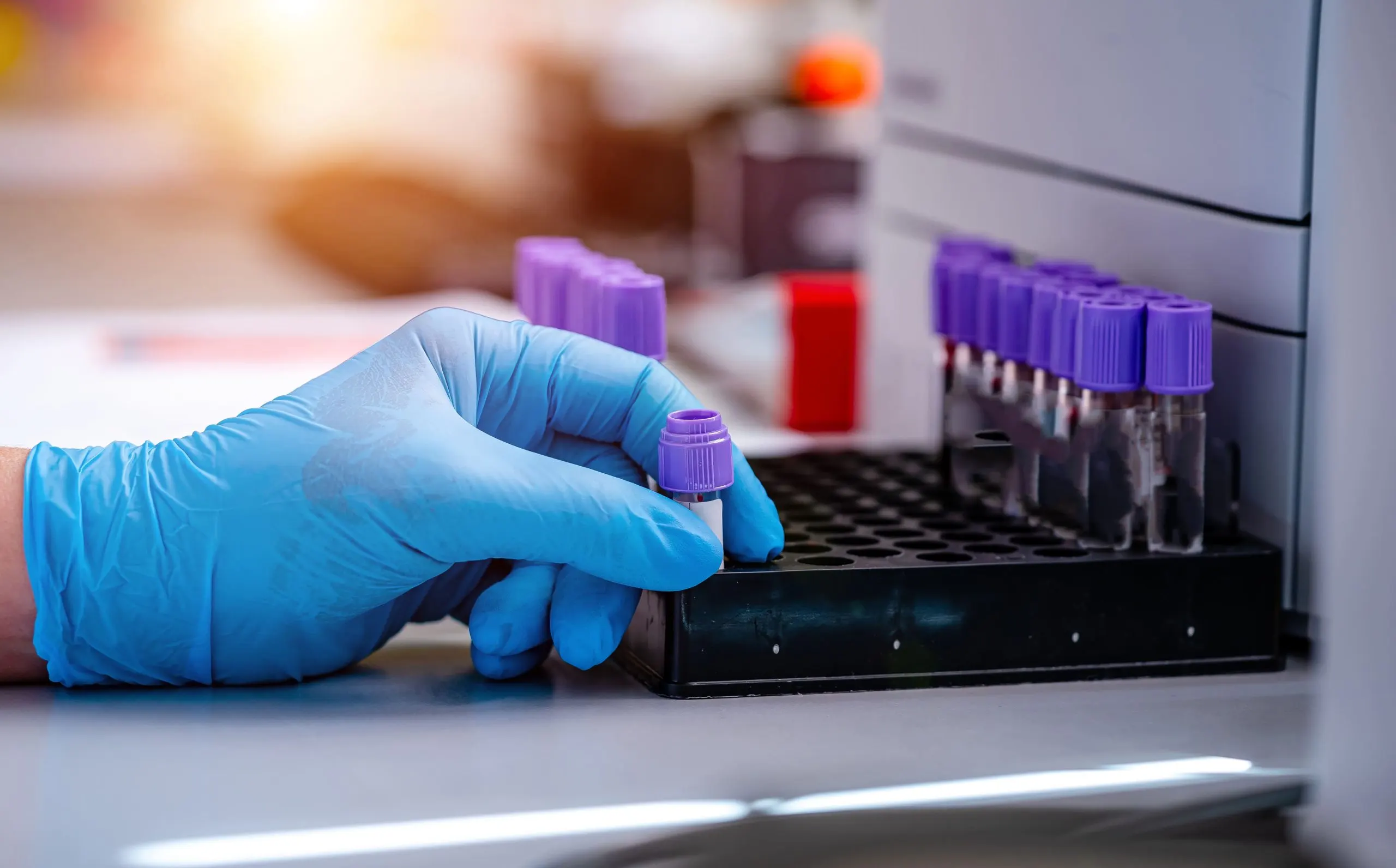
The UAE diagnostic laboratories market has been evolving steadily, shaped by a healthcare system that leans heavily on private providers and advanced infrastructure. Over the past few years, demand for diagnostic services has grown beyond routine blood tests and imaging, moving toward more specialized and preventive care. By 2025, a large share of testing volumes came from private lab chains and hospital networks, particularly in Dubai and Abu Dhabi. What stands out is how quickly labs have adopted automation and high-end testing methods, often comparable to global standards. This shift is not just about technology, it reflects changing patient expectations. People are more proactive about health, and insurers are encouraging early diagnosis to reduce long-term treatment costs.
What’s Driving the Diagnostic Labs Market in the UAE?
Rising Burden of Chronic and Lifestyle Diseases
Diabetes, hypertension, and cardiovascular conditions remain widespread across the UAE, especially among urban populations. This has quietly reshaped how often individuals interact with diagnostic services. Regular blood panels, lipid profiles, and HbA1c testing have become routine rather than occasional. In practice, many clinics now bundle diagnostics into annual health packages, which keeps labs consistently busy. There is also a cultural shift underway, where preventive screenings are no longer limited to older age groups. Younger professionals, particularly expatriates, are opting for early check-ups, which expands the testing base.
Adoption of Advanced Diagnostic Technologies
Laboratories in the UAE have not held back when it comes to technology. Molecular diagnostics, genetic screening, and AI-assisted pathology are already in use across leading facilities. This is not just about prestige or keeping up with global trends. Faster turnaround times and improved accuracy directly affect patient outcomes, especially in oncology and infectious disease detection. Some labs have begun integrating digital platforms where results are delivered within hours, sometimes paired with physician consultations. While this raises efficiency, it also creates pressure on smaller labs that struggle to match such investments.
Expansion of Private Healthcare Infrastructure
Walk through any major UAE city and it becomes clear how rapidly healthcare facilities have expanded. New hospitals, specialty clinics, and standalone diagnostic centers continue to emerge, often backed by private investors. This expansion has a direct ripple effect on lab services. Many hospitals prefer in-house labs for speed, while others outsource to large diagnostic chains. Insurance coverage plays a central role here. With mandatory health insurance in several emirates, patients are more willing to undergo tests that might have been postponed earlier due to cost concerns.
Government-Led Initiatives
Regulation in the UAE healthcare sector is firm and increasingly focused on quality. Authorities have introduced strict accreditation requirements for laboratories, which has raised the baseline for service standards. National screening programs, particularly for conditions like cancer and genetic disorders, have also pushed testing volumes upward. At the same time, the government has been investing in digital health records. This may sound administrative, but on the ground it allows labs to access patient histories quickly, reducing duplication of tests and improving diagnostic accuracy.
Market Competition and Key Players
Competition in this space is noticeable but not chaotic. A handful of large diagnostic chains and hospital groups dominate high-volume urban markets, while smaller labs operate in niche or community-focused roles. Larger players tend to differentiate themselves through technology, wider test menus, and home collection services. Home testing, in particular, has gained traction since the pandemic years. For many patients, convenience outweighs loyalty to a specific lab. This has forced providers to rethink service delivery, not just pricing.
Dependence on Imported Equipment and Consumables
One persistent issue is the reliance on imported diagnostic equipment and reagents. Most advanced machines, along with their consumables, come from Europe or North America. This creates a cost structure that is difficult to control. Currency fluctuations, shipping delays, and supplier dependencies all add layers of uncertainty. A common challenge is maintaining consistent pricing for tests while input costs fluctuate. Smaller labs feel this pressure more acutely, often operating on thinner margins.
Future Outlook
Looking ahead, the diagnostic labs market in the UAE is likely to become more specialized rather than simply larger. Routine testing will remain the backbone, but growth will come from areas like genomics, personalized medicine, and preventive diagnostics. Digital integration will deepen, with remote testing and at-home diagnostics becoming more common. Patients may not always need to visit a lab physically, which could reshape how facilities are designed and located. There is also a strong possibility of consolidation. Larger networks may acquire independent labs to expand reach and standardize operations. At the same time, the UAE could attract patients from neighboring regions who seek reliable and fast diagnostic services. This cross-border demand, while still developing, has real potential given the country’s healthcare reputation.
Consultants at Nexdigm, in their latest publication “UAE Diagnostic Labs Market Outlook to 2035,” analyzed the market by Test Type (Clinical Chemistry, Microbiology, Hematology, Molecular Diagnostics, Genetic Testing), By End User (Hospitals, Standalone Labs, Clinics, Home Healthcare), and By Service Model (B2B, B2C). Nexdigm notes that companies focusing on automation, specialized testing, and seamless digital interfaces will likely stand out, especially as patient expectations continue to evolve.
To take the next step, simply visit our Request a Consultation page and share your requirements with us.
Harsh Mittal
+91-8422857704