
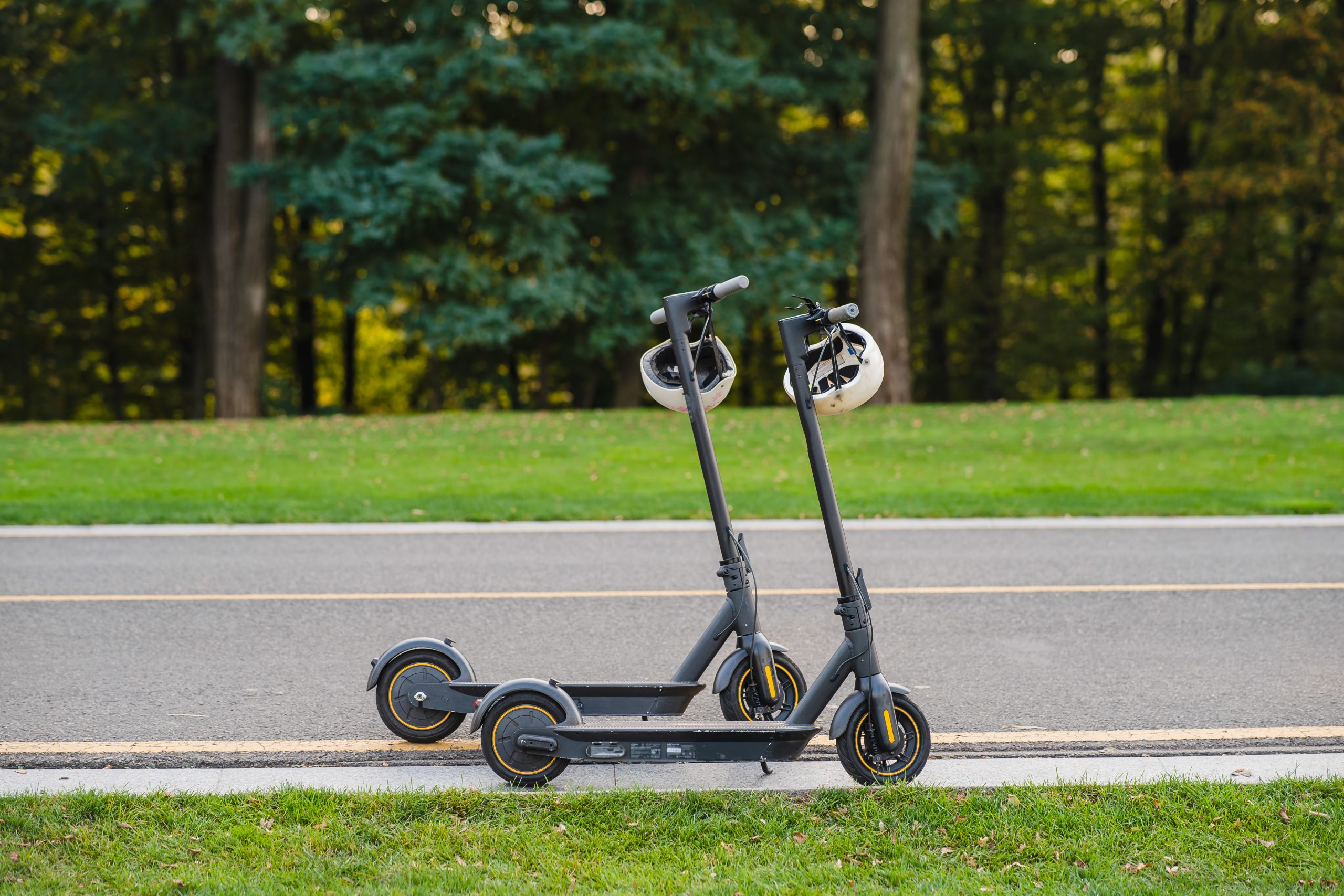
The UAE electric two-wheeler battery market is gaining traction as the country accelerates its transition towards sustainable mobility and low-emission transportation. Growing demand for electric scooters, motorcycles and delivery bikes, supported by expanding e-commerce activities and government sustainability initiatives, is creating opportunities for battery manufacturers. Lithium-ion batteries are gaining preference due to their higher energy density, lightweight design, faster charging and improved performance. Additionally, the UAE’s hot climatic conditions are encouraging innovation in battery cooling, thermal management and durability, making advanced battery technologies increasingly important for market development.
Key Market Drivers Affecting UAE Electric Two Wheeler Battery Industry
Growing Adoption of Electric Two-Wheelers and Delivery Fleets
The increasing adoption of electric two-wheelers across urban transportation and commercial delivery operations is creating demand for advanced battery solutions. The expansion of food delivery, e-commerce and last-mile logistics is encouraging fleet operators to explore electric motorcycles to reduce fuel expenses and operating costs. According to Dubai Taxi Company’s 2025 annual report, its delivery bike fleet expanded by 67% year-on-year to 3,068 bikes, reflecting the growing importance of two-wheeler logistics in Dubai. Fleet electrification initiatives are expected to create additional demand for high-performance batteries, replacement packs and battery management systems.
Rising Demand for Advanced Lithium-Ion Battery Technologies
The transition towards lithium-ion batteries is supporting market development as manufacturers focus on improving vehicle range, charging efficiency and battery lifespan. LFP batteries are gaining attention for their thermal stability, safety and longer cycle life, while NMC batteries offer higher energy density for performance-oriented electric motorcycles. Battery manufacturers are also developing advanced battery management systems, temperature monitoring solutions and durable battery enclosures to withstand the UAE’s extreme summer temperatures. These technological improvements are expected to strengthen consumer confidence and encourage wider electric two-wheeler adoption.
Expansion of Battery Swapping and Commercial Electrification
Battery swapping is emerging as an important growth opportunity, particularly for delivery fleets requiring continuous vehicle operations. Companies such as SWAP Energy are developing electric motorcycle and battery-swapping ecosystems in Dubai, helping fleet operators reduce charging downtime. Additionally, the growing participation of logistics companies in electric mobility initiatives is creating opportunities for battery suppliers and infrastructure providers. Standardized battery packs, efficient swapping networks and fleet management technologies are expected to support the expansion of commercial electric two-wheelers across the UAE.
Government Support Towards UAE Electric Two Wheeler Battery Industry
The UAE government is promoting electric mobility through its National Electric Vehicles Policy, which aims to increase EV adoption, establish a nationwide charging network and reduce transport-sector energy consumption by 20%. The policy also targets a 50% share of electric vehicles in the country’s total road vehicle fleet by 2050. Dubai’s Green Mobility initiatives further encourage government fleet electrification, charging infrastructure development and private-sector investment in sustainable transportation.
Competitive Landscape of the UAE Electric Two-Wheeler Battery
The UAE market comprises electric two-wheeler manufacturers, battery-swapping operators, technology providers and international vehicle suppliers. Key participants include ONE MOTO Technologies, Vmoto Soco (Plug Motors), Surron Dubai, Wheels of Arabia and SWAP Energy. Competition is increasingly focused on battery efficiency, thermal management, driving range, affordability and after-sales services. Companies are strengthening their presence through fleet partnerships, battery-swapping infrastructure and advanced lithium-ion battery integration.
Market Challenges Faced Within UAE Electric Two-Wheeler Battery Industry
Extreme Climatic Conditions and Battery Performance
High ambient temperatures during UAE summers can affect battery efficiency, charging performance and operational lifespan. Manufacturers must invest in advanced thermal management systems, temperature-resistant materials and reliable battery monitoring technologies to maintain performance and safety.
Import Dependence and Infrastructure Limitations
Dependence on imported battery cells and components exposes manufacturers to international supply chain disruptions and raw material price fluctuations. Additionally, limited battery-swapping standardization, recycling infrastructure and charging accessibility in certain locations can restrict large-scale adoption.
Future Outlook
The UAE electric two-wheeler battery market is expected to witness increasing opportunities through 2035, supported by government sustainability targets, expanding delivery fleets and investments in electric mobility infrastructure. The growing adoption of lithium-ion batteries, particularly LFP and NMC chemistries, will encourage technological innovation and improve vehicle performance. Battery swapping, localized battery pack assembly and recycling solutions are also expected to gain importance. Furthermore, partnerships between logistics companies, EV manufacturers and battery technology providers will support commercial electrification and strengthen the UAE’s position as an emerging regional hub for sustainable mobility.
Consultants at Nexdigm, in their latest publication “UAE Electric Two Wheeler Battery Market Outlook to 2035,” analyze the sector by By Battery Chemistry (Lithium Iron Phosphate (LFP), Nickel Manganese Cobalt (NMC), Lithium Titanate (LTO), Emerging Chemistries), By Vehicle Application (Last-Mile Delivery Fleets, Private Commuter Scooters, Shared Mobility Services, Police And Security Patrol), and By Charging Architecture (Fixed Integrated Systems, Swappable Battery Modules, On-Board AC Charging, External Off-Board DC Fast-Charging).
Nexdigm suggests that businesses in UAE Electric Two Wheeler Battery Market should invest in advanced lithium-ion battery technologies, strengthen partnerships with electric two-wheeler manufacturers, and expand battery-swapping infrastructure. Companies should prioritize thermal management solutions, localized battery pack assembly, recycling capabilities and commercial fleet partnerships to capitalize on the UAE’s growing electric mobility ecosystem.
To take the next step, simply visit our Request a Consultation page and share your requirements with us.
Harsh Mittal
+91-8422857704