
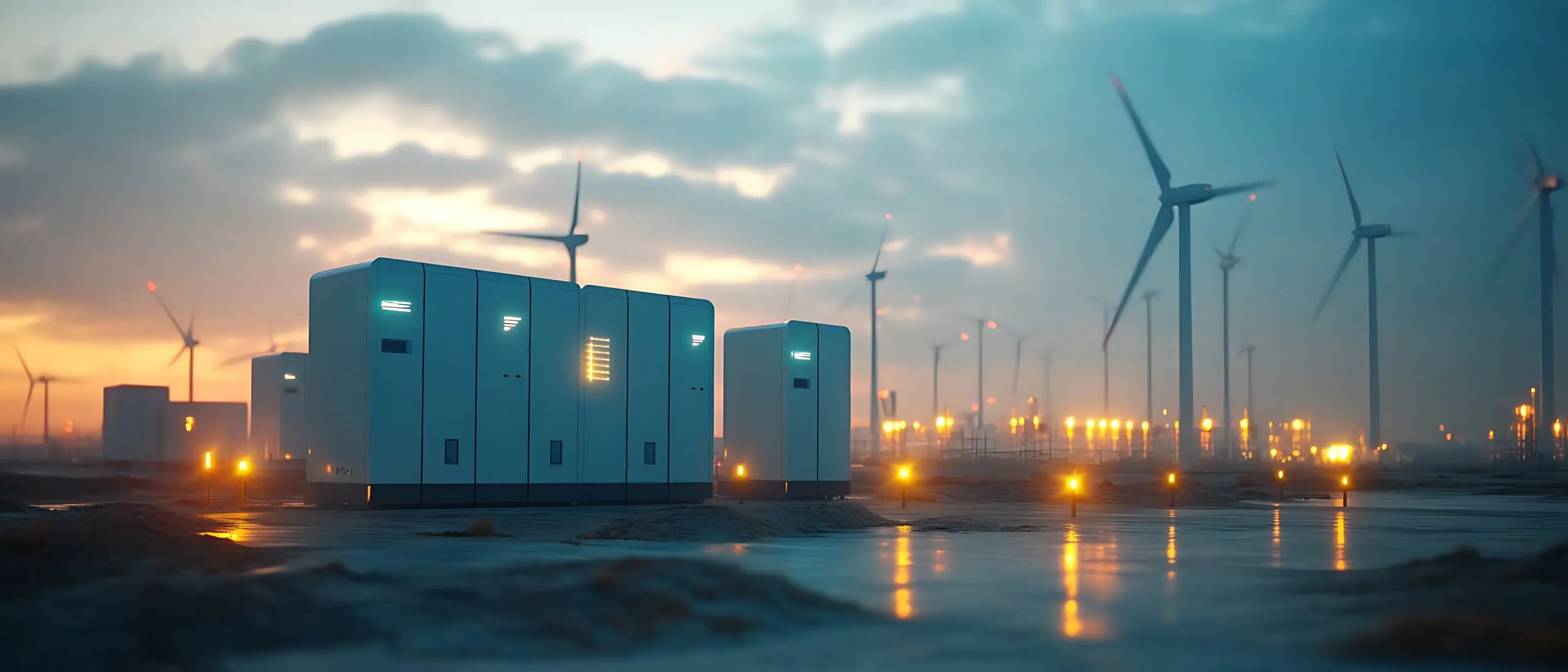
The UAE energy storage market is set to grow steadily, as the country adds more renewable energy and strengthens grid reliability. Energy storage is becoming more important because solar power generation changes throughout the day, while electricity demand remains high, especially during peak cooling periods. The UAE Energy Strategy aims to triple the contribution of renewable energy and attract AED 150–200 billion in investment in the upcoming years, creating a strong foundation for storage growth. Battery systems, pumped-storage hydropower, and solar-plus-storage projects are expected to shape the next phase of development. As clean energy capacity expands, storage will help keep electricity supply stable, flexible, and reliable. As we move ahead, storage is likely to become a core part of the UAE’s clean energy infrastructure.
Factors Driving Energy Storage Demand in the UAE
Renewable Energy Expansion and Grid Stability
The biggest driver of the UAE energy storage market is the rapid growth of renewable energy, especially solar power. As more solar electricity enters the grid, storage systems are needed to store excess power during sunny hours and release it when demand rises or generation drops. This makes batteries and long-duration storage solutions important for grid stability, renewable integration, and cleaner electricity supply.
Rising Power Demand and Improving Storage Economics
Growing electricity demand from population growth, industrial activity, cooling needs, digital infrastructure, and smart city development is increasing the need for flexible power systems. Energy storage can help utilities manage peak loads, reduce grid pressure, and improve reliability. Projects such as Dubai’s Hatta pumped-storage hydropower plant, with 250 MW generation capacity and up to 1,500 MWh storage capacity, show the market’s direction. Falling battery costs and improvements in lithium-ion, flow battery, and hybrid systems are also making storage more practical for wider deployment.
The UAE Government Support for Clean Energy Programs
Government support is one of the strongest factors behind the UAE energy storage market. The UAE Energy Strategy focuses on clean energy expansion, energy security, and investment in modern power infrastructure. Dubai’s Clean Energy Strategy and the Hatta pumped storage project also show how storage is becoming part of long-term energy planning. These initiatives are creating demand for flexible power systems that can manage higher levels of renewable energy. Public-sector leadership is expected to attract private investment, global technology providers, and utility-scale storage developers. Clear national targets also give investors more confidence in the long-term role of storage. As policies evolve, storage may gain stronger support through grid service models, clean power procurement, and renewable integration programs.
Competitive Landscape of the UAE Energy Storage Market
The UAE energy storage market includes utilities, renewable energy developers, battery suppliers, engineering firms, and infrastructure investors. Key participants include DEWA, Masdar, EWEC, ADNOC-linked energy entities, and global technology companies that provide battery and grid management solutions. Masdar’s renewable energy portfolio and DEWA’s Hatta project show how national players are connecting storage with wider clean energy development. International battery manufacturers and EPC contractors are expected to become more active as project sizes increase. Competition will likely focus on cost, storage duration, system safety, energy efficiency, and smooth integration with solar projects. Strategic partnerships will remain important because large storage projects require financing, technical expertise, and long-term power agreements. As the market matures, companies offering reliable, climate-resilient, and scalable storage solutions may gain a stronger position.
Barriers faced in the UAE Energy Storage Market
Although the UAE energy storage market has strong growth potential, several barriers remain. High upfront costs continue to be a major challenge, as large-scale projects require investment in batteries, inverters, control systems, land, safety equipment, cooling systems, and grid connection. Technology selection is also important because different storage systems vary in cost, duration, lifespan, and performance. Battery degradation over time can affect long-term project economics and replacement planning. Supply chain risks for key materials such as lithium, nickel, and cobalt may also influence project costs. The UAE’s hot climate can add extra cooling and performance-management requirements for battery systems. Clearer rules around storage ownership, tariffs, grid services, and revenue models will be needed to support wider commercial adoption.
Future Outlook
The UAE energy storage market is expected to become an important part of the country’s clean power system. Growth will be supported by solar expansion, grid modernization, large infrastructure projects, and rising demand for reliable low-carbon electricity. Pumped storage, utility-scale batteries, and solar-plus-storage projects are likely to gain momentum as the UAE increases renewable energy penetration. Storage will also support energy security by improving grid flexibility and reducing dependence on fossil fuel backup during peak demand. If costs continue to decline and regulations become clearer, energy storage could become one of the UAE’s most attractive clean energy investment areas.
The market’s long-term growth will depend on stronger business models, technology partnerships, and wider deployment across the utility, commercial, and industrial sectors.
With the right investment and policy support, energy storage can help the UAE build a cleaner, more resilient, and more flexible power system.
Consultants at Nexdigm, in their latest publication UAE Energy Storage Market Outlook to 2035 analyze the sector by Fitment Type (Cloud based platforms, Web based platforms, Integrated platforms, Mobile Storage Solutions, On premise Solutions), by End User segment (Energy and Utilities, Transportation and Mobilities, Government and Public Services).
Nexdigm suggests that businesses should actively invest in energy storage solutions to align with the country’s renewable energy goals. As the demand for renewable energy sources like solar and wind continues to rise, energy storage will be essential for maintaining a reliable power supply. Companies should explore partnerships with technology providers to integrate advanced storage systems into their operations, improving energy efficiency and reducing costs.
To take the next step, simply visit our Request a Consultation page and share your requirements with us.
Harsh Mittal
+91-8422857704