
The UAE EV battery market is no longer just a side conversation attached to electric vehicles. It is becoming a market in its own right. That shift comes as the country pushes harder on clean mobility, expands charging access, and starts thinking more seriously about what happens after the first battery life cycle ends. The UAE still relies heavily on imported battery packs and cells, but demand is becoming more visible across vehicle sales, replacement needs, diagnostics, and future recycling. In a market like the UAE, where premium cars, fleet operations, and high annual mileage are common, battery performance matters more than marketing headlines. Heat, charging habits, and usage intensity all shape battery life in ways that are commercially important, not just technically interesting. Through 2035, the real opportunity may lie less in manufacturing and more in service, lifecycle management, and high-value battery handling.
What’s Driving the EV Battery Market in the UAE?
Rising EV Ownership is Expanding the Installed Battery Base
The first and most obvious factor is the simple rise in EV ownership. More electric sedans, SUVs, taxis, and delivery vehicles on UAE roads means a larger installed base of batteries that will eventually need monitoring, servicing, and in some cases replacement. That matters because the battery market does not fully show up at the moment of vehicle purchase – it develops over time. Once vehicles begin crossing four to six years of usage, questions around degradation, charging behavior, and resale value become much more relevant.
Extreme Climate Conditions Are Making Battery Performance a Bigger Issue
Climate is another major influence, and arguably one of the most underestimated ones. Battery performance in the UAE is shaped by long summers, intense ambient heat, and frequent fast charging. On paper, many EVs are built for global conditions. On the ground, Gulf weather is a tougher test. This creates a more practical and service-oriented battery market, where thermal management, battery health diagnostics, and software-led performance checks are likely to matter as much as hardware.
Charging Infrastructure Expansion is Making EV Use More Practical
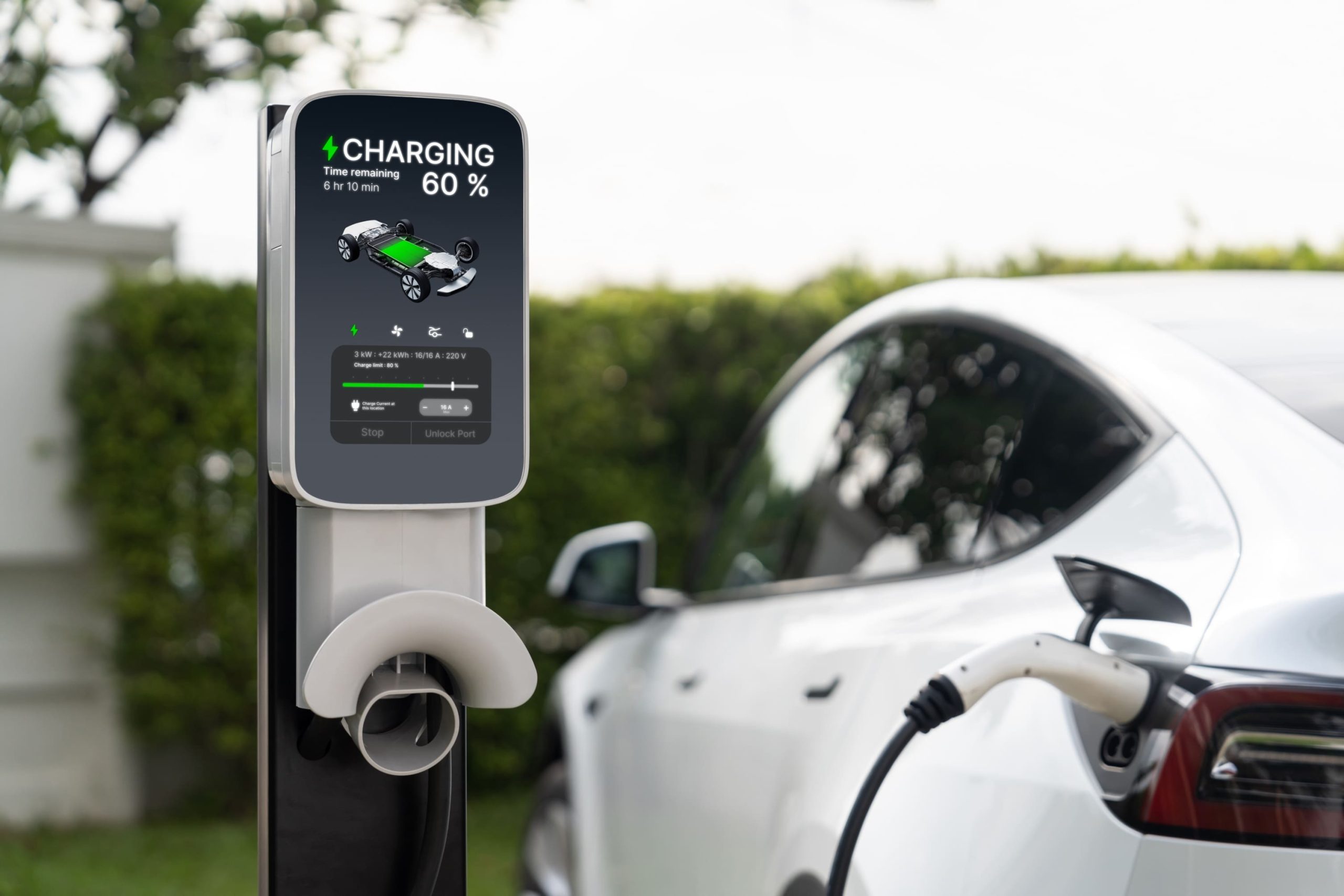
Then there is the charging network. The UAE has spent the last few years making EV ownership easier, especially in Dubai and Abu Dhabi, where chargers are appearing in residential compounds, malls, commercial towers, and public parking zones. Better charging access does not just support vehicle adoption – it also normalizes battery-powered transport for everyday use. That is a crucial difference. A battery market grows much faster when EVs move from novelty to routine.
Government-Led Initiatives Supporting the Market
The UAE government has created the right backdrop for this market to take shape, even if battery policy itself is still evolving. Broader clean transport and sustainability programs, including net-zero and smart mobility initiatives, have made EV adoption more credible for both consumers and businesses. That credibility matters. Buyers are more willing to invest in electric mobility when charging infrastructure, regulations, and public-sector support all point in the same direction. Still, there is a trade-off worth noting. Policy can encourage adoption, but it cannot fully offset the cost and uncertainty tied to battery replacement, especially in a market where long-term ownership economics are still being tested.
Market Competition and Supply Landscape
Today, most battery-related value in the UAE flows through imported vehicles, OEM-backed service networks, and international supply chains. There is little evidence of meaningful local battery manufacturing scale in the near term. But that does not mean the market lacks competitive depth. The more interesting competition is happening around who owns the customer relationship after the vehicle is sold. Dealers, EV brands, charging operators, specialist workshops, and battery diagnostics providers are all likely to compete for a role in that chain. Over time, software visibility and battery condition reporting may become just as important as physical replacement capability.
Import Dependence and End-of-Life Management
The UAE’s biggest challenge is straightforward – it does not control much of the upstream battery supply chain. That leaves the market exposed to pricing volatility, shipping costs, and external sourcing risks. For consumers and fleet operators, battery replacement can still feel expensive, technical, and not entirely transparent. The second issue is what happens later. As EV adoption rises, the country will need stronger infrastructure for battery reuse, recycling, and disposal. This part of the market is still early, but by the early 2030s it will become hard to ignore.
UAE Strengthens EV Battery Value Chain with Recycling and Charging Expansion
A notable recent development in the UAE EV battery space is the advancement of the country’s first large-scale EV battery recycling facility, backed by the Ministry of Energy and Infrastructure, BEEAH, and LOHUM. The plant is scheduled for development in 2026 with an initial annual processing capacity of 1,500 tonnes, which is planned to double by the third year of operations. Around the same time, Dubai continued scaling EV charging access, with DEWA reporting over 55,200 MWh of electricity delivered through its Green Charger initiative and more than 276 million kilometres enabled for EV travel. Together, these developments strengthen the long-term battery value chain in the UAE.
Future Outlook
The UAE EV charging infrastructure market is expected to witness robust expansion through 2035, supported by sustained EV adoption, smart city development, and public-private ecosystem collaboration. By 2035, the market is likely to evolve toward a denser and more diversified charging mix, including ultra-fast highway charging, destination charging, home and apartment charging, and integrated fleet charging depots. Software-led network management, interoperability, and energy storage integration will become increasingly important as the ecosystem matures. The UAE is well-positioned to emerge not only as a high-growth domestic charging market but also as a regional benchmark for EV infrastructure deployment across the Middle East.
Consultants at Nexdigm, in their latest publication “UAE EV Battery Market Outlook to 2035”, analyze the market by Battery Type (Lithium-ion, LFP, NMC, Others), By Vehicle Type (Passenger EVs, Commercial EVs, Buses, Fleet Vehicles), By Application (OEM Demand, Replacement, Second-Life Storage, Recycling), and By End User (Private Consumers, Fleet Operators, Government, Mobility Service Providers). Nexdigm believes businesses should pay close attention to battery diagnostics, commercial fleet partnerships, and end-of-life battery handling, where long-term market value is likely to build first.
To take the next step, simply visit our Request a Consultation page and share your requirements with us.
Harsh Mittal
+91-8422857704