
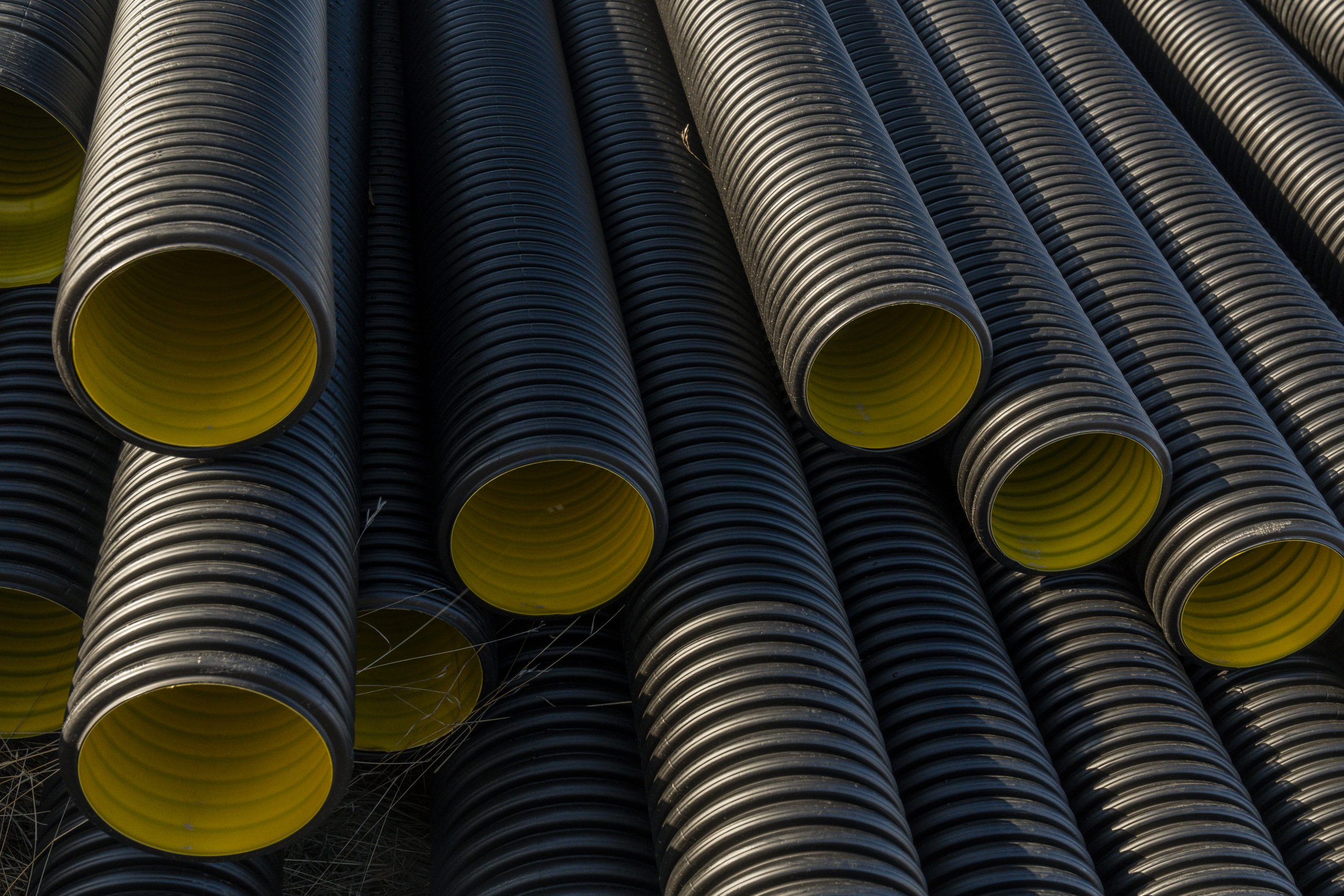
The UAE flexible pipe market is benefiting from continued investment in offshore oil, gas, and subsea infrastructure. Flexible pipes are increasingly important where operators need corrosion resistance, pressure handling, and easier installation across challenging marine environments. ADNOC is working toward crude oil production capacity of 5 million barrels per day, reinforcing demand for offshore equipment and pipeline systems. The UAE also holds the seventh-largest gas reserves globally, supporting further development of gas fields, processing facilities, and subsea connections.
Key Factors Driving Growth in the UAE Flexible Pipe Industry
Offshore Oil Expansion Supports Flexible Pipe Demand
Offshore production remains one of the strongest demand drivers for flexible pipes in the UAE. These systems are widely suited to risers, flowlines, jumpers, and other connections where movement and seabed conditions make rigid pipelines more difficult to install. ADNOC is targeting crude production capacity of 5 million barrels per day, creating continued requirements for offshore infrastructure, brownfield upgrades, and supporting subsea equipment. Projects involving mature offshore fields also generate demand for replacement pipelines, life-extension work, and specialized corrosion-resistant systems.
Gas Projects Are Creating New Infrastructure Opportunities
The UAE is expanding domestic gas production to strengthen energy security and support industry. ADNOC’s Umm Shaif Gas Cap project involves an investment of US$6.2 billion and is expected to add more than 600 million cubic feet of gas per day, equivalent to almost 10% of current UAE daily gas consumption. Another offshore development, SARB Deep Gas, is expected to produce around 200 million cubic feet per day, enough energy to supply more than 300,000 homes daily. These projects create opportunities for flexible pipe suppliers serving offshore platforms, gas gathering systems, and subsea connections.
Existing Offshore Infrastructure Encourages Upgrades
The UAE is also investing in infrastructure designed to improve energy resilience. ADNOC is developing a second export pipeline toward Fujairah that is intended to double export capacity through the port and was already about 50% complete in 2026. Such infrastructure expansion supports broader demand for piping, connectors, engineering services, inspection, and maintenance solutions.
Government and Industry Initiatives Supporting the UAE Flexible Pipe Market
The UAE continues to support energy investment alongside industrial localization and lower-carbon development. ADNOC plans significant spending across oil, gas, chemicals, and related infrastructure while pursuing production capacity of 5 million barrels per day. Its offshore electrification initiative also involves a US$3.8 billion subsea transmission network designed to cut the carbon footprint of offshore upstream operations by up to 50%. These investments strengthen the wider ecosystem for subsea engineering and flexible piping suppliers.
Competitive Landscape of the UAE Flexible Pipe Industry
The UAE flexible pipe industry includes international subsea technology companies, regional EPC contractors, offshore service providers, pipe manufacturers, and specialized engineering firms. Competition focuses on pressure performance, corrosion resistance, fatigue life, installation efficiency, qualification standards, and technical support. Suppliers with established relationships with ADNOC and major offshore contractors hold an advantage, while localization, fast delivery, lifecycle services, and the ability to support technically demanding offshore projects are becoming increasingly important differentiators.
Challenges Affecting the UAE Flexible Pipe Market
High Technical Requirements Increase Costs
Offshore flexible pipes require multilayer construction, advanced polymers, metallic reinforcement, extensive testing, and strict certification. These requirements increase manufacturing and qualification costs, particularly for deepwater or high-pressure applications.
Dependence on Major Energy Projects
Flexible pipe demand remains closely connected to large oil and gas investment cycles. Project delays, changes in capital spending, commodity-price volatility, or slower field-development decisions can create uneven order volumes for suppliers.
Future Outlook
Looking ahead, the UAE flexible pipe market should remain closely connected to the country’s continued offshore energy expansion. The opportunity is supported by a clear pipeline of oil and gas projects rather than a single development. ADNOC’s 5 million barrel-per-day capacity target, combined with major gas projects adding hundreds of millions of cubic feet of daily production, should sustain demand for risers, flowlines, subsea connections, and specialized flexible piping. Suppliers offering reliable products, strong offshore engineering capabilities, local support, and corrosion-resistant technologies should be well positioned as UAE energy infrastructure becomes more complex.
Consultants at Nexdigm, in their latest publication “UAE Flexible Pipe Market Outlook to 2035,” analyze the sector By Product Type (Bounded, Unbounded Flexible Pipes, Flexible Jumpers, Risers and Flowlines), By Application (Offshore Oil and Gas Production, Shale Oil and Gas Production, Mining Slurry Transportation and Chemical Transfer Systems).
Nexdigm suggests that businesses in the UAE Flexible Pipe Industry must prioritize offshore-ready and corrosion-resistant solutions, expand local capabilities, invest in advanced materials, and build lifecycle service offerings to capture upcoming energy infrastructure opportunities.
To take the next step, simply visit our Request a Consultation page and share your requirements with us.
Harsh Mittal
+91-8422857704