
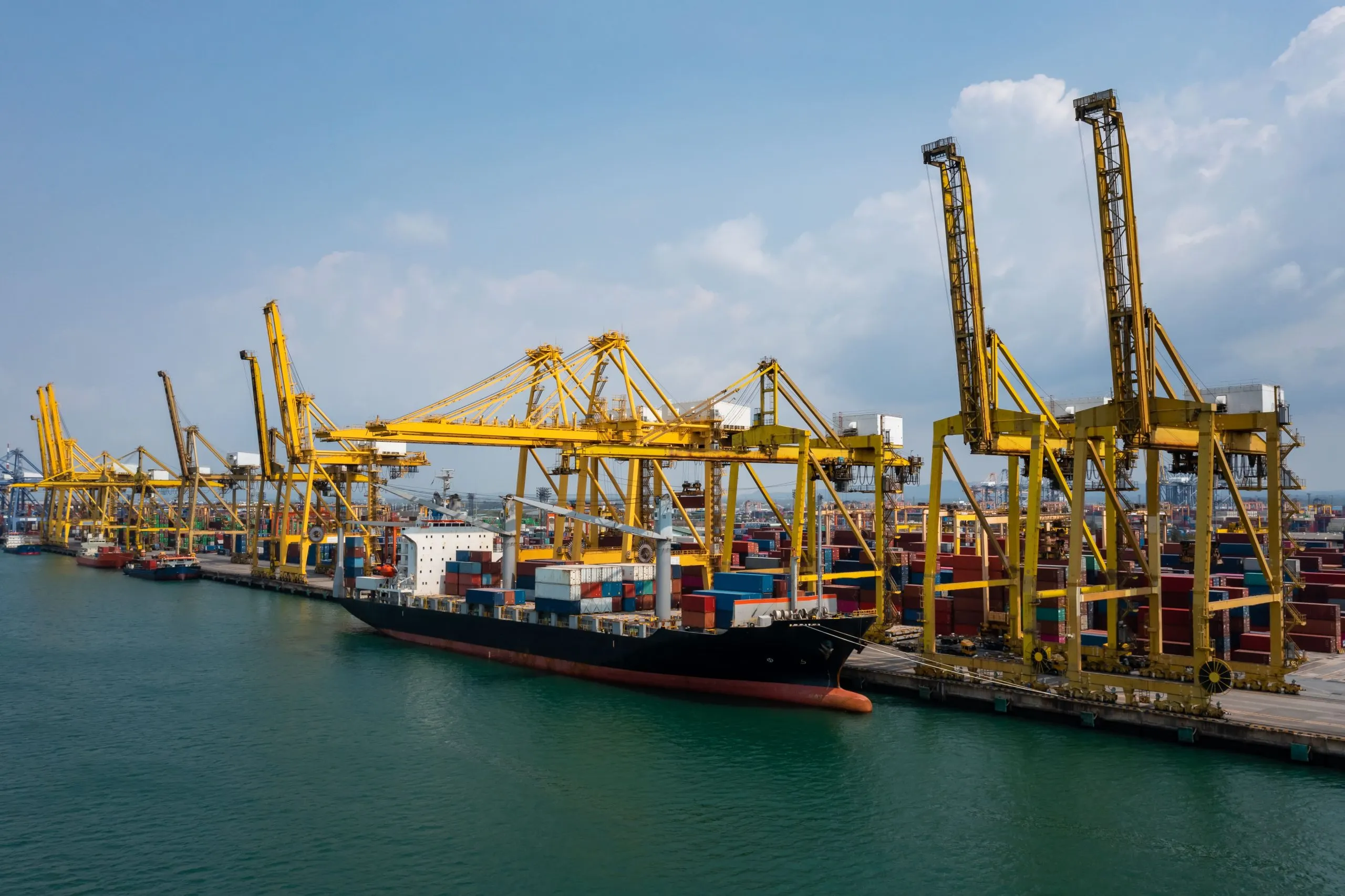
The UAE freight forwarding market has moved far beyond basic cargo handling. It now sits at the center of regional trade, helping goods move between Asia, Europe, Africa, and the wider Gulf. For many importers, the UAE is not the final destination but a transfer point where cargo is stored, split, relabeled, and sent onward. That matters because freight forwarders earn value from managing complexity, not just transportation. By 2026, the country remains one of the busiest logistics locations in the Middle East, supported by modern ports, airports, and free zones. Dubai continues to dominate volumes, while Abu Dhabi is steadily building industrial cargo capacity. Demand comes from e-commerce retailers, electronics traders, food importers, automotive suppliers, and healthcare distributors. In practice, freight forwarders that combine customs expertise, warehousing, and fast execution tend to outperform firms offering transport alone.
What’s Driving the Freight Forwarding Market in the UAE?
Global Trade Crossroads with Fast Turnaround
Few countries have the same geographic advantage as the UAE. A shipment leaving East Asia can reach the Gulf quickly, then move onward to Africa or Europe with relatively short transit times. Facilities such as Jebel Ali Port remain central to this trade flow, especially for container cargo and re-exports. Speed also matters. Importers often choose the UAE because cargo can be cleared, stored, and redistributed faster than in several competing markets. That efficiency is not perfect every day, but it gives freight operators a strong commercial edge.
E-commerce and Shorter Delivery Expectations
Online retail has changed freight demand. Sellers no longer plan around large seasonal shipments alone. They need smaller, more frequent replenishment cycles and tighter delivery promises. That puts pressure on forwarding companies to coordinate air freight, warehousing, and last-mile partners with fewer delays. A common challenge is balancing cost against speed. Air cargo solves urgent stock shortages but eats margins. Sea freight is cheaper, though slower. Skilled forwarders now win business by helping clients mix both modes intelligently rather than pushing one option.
Industrial Diversification and Re-export Trade
The UAE economy has broadened well beyond oil, and that shift supports cargo movement across many categories. Machinery, packaged foods, pharmaceuticals, building materials, and consumer electronics all require specialized handling. Some need temperature control, others need careful documentation or fast customs release. Re-export trade remains especially important. Goods imported into the UAE are frequently sent onward to Saudi Arabia, East Africa, or South Asia. For forwarding firms, that creates recurring business instead of one-time import transactions.
Government-Led Initiatives Supporting Logistics Growth
Public policy has played a real role here. Customs systems have become more digital, reducing paperwork that once slowed shipments for days. Free zones continue to attract regional distribution centers because companies can store inventory close to end markets with fewer administrative hurdles. Industrial programs such as Make it in the Emirates may also reshape cargo flows over time. If more products are assembled or manufactured locally, freight demand shifts from finished-goods imports toward raw materials, components, and outbound exports. That is a healthier mix for the sector than relying only on consumer imports.
Market Competition and Distribution Landscape
Competition is intense, and price wars are common in standard freight lanes. Global names such as DHL Global Forwarding, Kuehne+Nagel, DB Schenker, and Aramex hold strong positions with multinational clients. Still, local firms should not be underestimated. Many move faster on customs issues, regional trucking, and relationship-led SME accounts. On the ground, importers often prefer a smaller operator who answers calls at midnight over a large brand with slower internal processes.
Margin Pressure and External Shocks
Freight forwarding can look attractive from the outside, but margins are often thin. Rate volatility in ocean freight, fuel swings, Red Sea disruptions, and sudden regulatory changes can erase profits quickly. Smaller companies feel this first because they have less bargaining power with carriers. Another issue is technology cost. Customers increasingly expect live tracking, automated updates, and shipment analytics. Those tools require investment, yet many clients still choose providers mainly on price.
Future Outlook
The UAE freight forwarding market should remain on a steady upward path through 2035, though growth will likely be uneven year to year. Trade cycles, geopolitics, and freight rates will continue to create short-term turbulence. Even so, the country has too much infrastructure and too much geographic relevance to be sidelined. By 2035, digital booking platforms, smarter route planning, and sector-focused services for healthcare, perishables, and high-value electronics are likely to be standard rather than premium offerings. The UAE may not handle every shipment in the region, but it will remain one of the places where regional supply chains are organized and controlled.
Consultants at Nexdigm, in their latest publication “UAE Freight Forwarding Market Outlook to 2035”, analyzed the market by Mode of Transport (Air Freight, Sea Freight, Road Freight, Rail-Linked Cargo), By End User (Retail, Automotive, Healthcare, Industrial, Consumer Goods, E-commerce), and By Service Type (Freight Transportation, Customs Brokerage, Warehousing, Value Added Services). Nexdigm believes that companies should focus on multimodal execution, stronger digital visibility, and re-export capabilities to capture long-term opportunities in the UAE logistics market.
To take the next step, simply visit our Request a Consultation page and share your requirements with us.
Harsh Mittal
+91-8422857704