
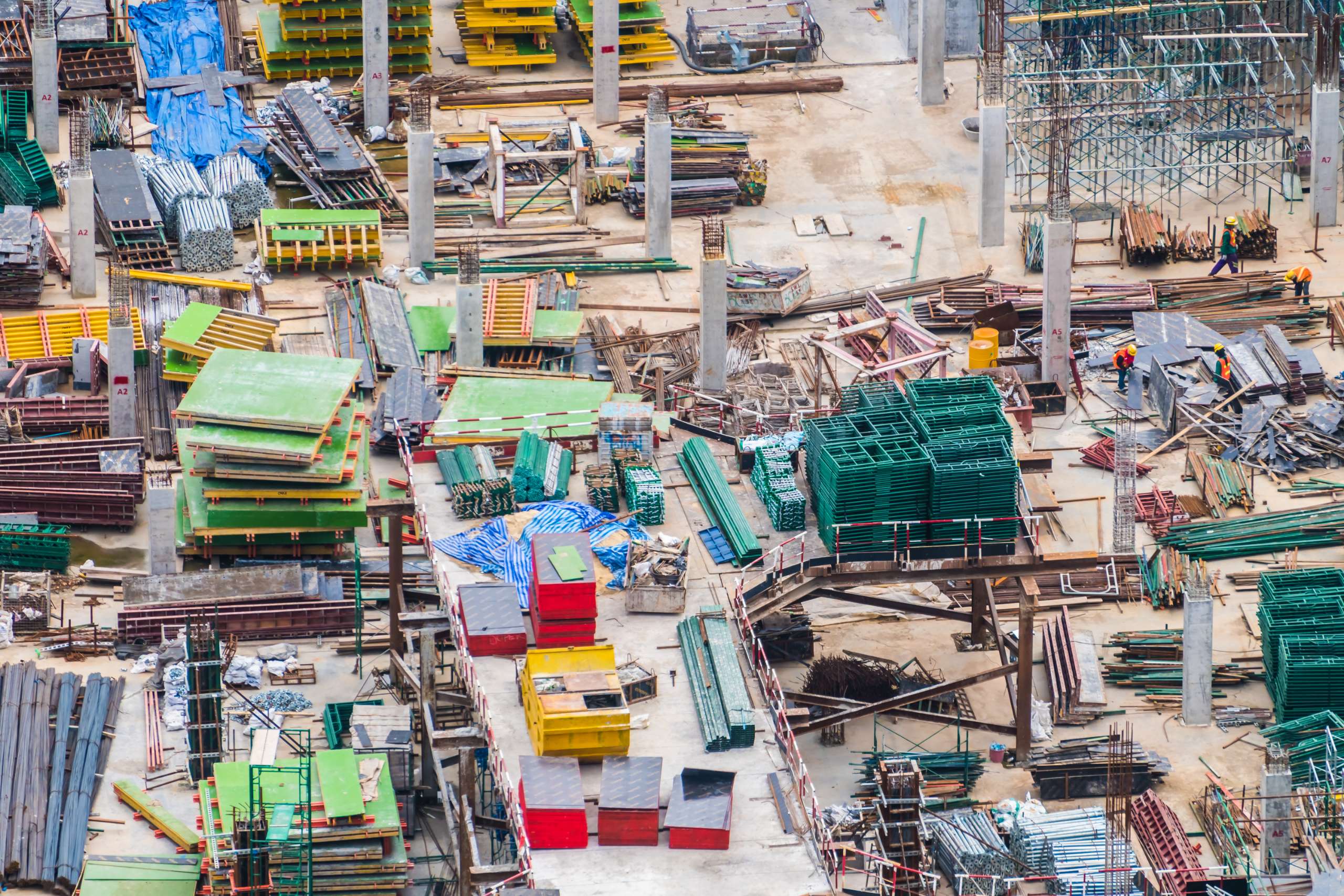
The UAE’s green cement market is experiencing strong growth as sustainability becomes a central focus of the country’s construction and infrastructure sectors. The UAE is home to more than 1,800 LEED-certified projects, making it one of the leading green building markets in the Middle East. The construction industry continues to benefit from a project pipeline valued at over USD 590 billion, spanning residential developments, smart cities, transportation networks, tourism assets, and industrial infrastructure. Additionally, the UAE has committed to achieving net-zero emissions by 2050, encouraging developers and contractors to adopt lower-carbon construction materials. With increasing investments in sustainable urban development, renewable energy facilities, and environmentally certified buildings, green cement is emerging as a critical solution for reducing embodied carbon while supporting the country’s long-term economic and environmental objectives.
Key Market Drivers for UAE’s Green Cement Industry
Rising Green Building Adoption Strengthens Demand for Sustainable Construction Materials
The UAE has emerged as one of the leading green building markets in the Middle East, supported by growing implementation of sustainable construction standards across commercial, residential, hospitality, and mixed-use projects. The country is home to more than 1,800 LEED-certified projects, reflecting increasing developers focus on energy efficiency and environmental performance. As builders seek to reduce carbon footprints and meet ESG requirements, demand for green cement solutions is increasing across both new developments and renovation projects.
Mega Infrastructure and Urban Development Projects Create Market Opportunities
Ongoing investments in transportation, logistics, tourism, and urban infrastructure continue to support demand for advanced construction materials. Major development programs, smart city initiatives, industrial zones, and mixed-use communities require large volumes of cement while placing greater emphasis on sustainability targets. Green cement offers developers an effective solution to reduce lifecycle carbon emissions without compromising structural integrity, making it increasingly attractive for large-scale infrastructure and real estate projects.
Carbon Reduction Commitments Drive Low-Emission Material Adoption
The UAE’s sustainability agenda is encouraging industries to accelerate decarbonization efforts. Construction stakeholders are increasingly focusing on materials with lower embodied carbon to support national climate objectives. Green cement, which incorporates supplementary cementitious materials and clinker-reduction technologies, helps lower emissions compared to conventional cement. Growing awareness of sustainable procurement practices among investors, developers, and contractors is expected to further strengthen demand for environmentally friendly cement products.
Government Support and Sustainability Initiatives Backed by Net-Zero Targets and Expanding Green Building Programs
The UAE government continues to strengthen the foundation for green cement adoption through its sustainability agenda, green building regulations, and long-term decarbonization strategies. The country has committed to achieving net-zero emissions by 2050 and has allocated significant investments toward sustainable infrastructure, renewable energy projects, and environmentally responsible urban development. The UAE is home to more than 1,800 LEED-certified projects, one of the highest totals in the Middle East, demonstrating strong demand for sustainable construction materials. Furthermore, green building frameworks such as Estidama and Dubai Green Building Regulations are encouraging developers to incorporate lower-carbon materials, creating favorable growth opportunities for the green cement industry.
Competitive Landscape Supported by Large-Scale Construction Investments and Growing Green Building Adoption
The UAE’s green cement market is evolving rapidly amid a construction project pipeline valued at more than USD 590 billion, creating substantial opportunities for sustainable building material providers. Market participants are increasingly investing in alternative raw materials, clinker-reduction technologies, carbon-efficient production processes, and circular economy initiatives to meet rising sustainability requirements. Competition is driven by environmental performance, product quality, technical expertise, and compliance with green construction standards. As the number of sustainable developments and certified green buildings continues to grow across residential, commercial, hospitality, and infrastructure sectors, suppliers offering innovative low-carbon cement solutions are expected to strengthen their market presence.
Major Challenges Facing UAE’s Green Cement Industry
Higher Production and Technology Costs
The transition toward green cement production requires investment in advanced technologies, alternative material sourcing, and process optimization. While environmental benefits are significant, higher initial production costs can create pricing challenges compared to traditional cement products.
Limited Availability of Sustainable Raw Materials
The growing demand for low-carbon construction materials may place pressure on the supply of supplementary cementitious materials and alternative feedstocks. Maintaining consistent quality and securing reliable raw material sources remain important considerations for market participants seeking to scale green cement production.
Future Outlook
The UAE green cement market is expected to witness substantial growth supported by a construction project pipeline exceeding USD 590 billion, continued expansion of sustainable urban developments, and increasing adoption of green building standards. The country’s commitment to achieving net-zero emissions by 2050 and its portfolio of more than 1,800 LEED-certified projects are expected to accelerate demand for low-carbon construction materials across commercial, residential, industrial, and infrastructure sectors. Furthermore, renewable energy investments targeting over 14 GW of clean energy capacity by 2030 will strengthen sustainability-focused construction activities. Growing ESG commitments, circular economy initiatives, and advanced cement manufacturing technologies are expected to position green cement as a critical component of the UAE’s future construction landscape through 2035.
Consultants at Nexdigm, in their latest publication “ UAE Green Cement Market Outlook to 2035,” analyse the sector By Product Type (Portland Limestone Cement, Fly Ash Based Cement and Slag-Modified Portland Cement), By Manufacturing Process (Dry Process with Carbon Capture and Alternative Fuel Fired Kilns) and By Price Segment (Premium High-Efficiency, Mid-Market Blended Cement and Economic Low-Clinker Utility).
Nexdigm suggests that businesses in the UAE’s Green Cement Industry focus on expanding low-carbon cement production capabilities, strengthening circular economy practices, and building strategic partnerships with sustainable construction stakeholders to capitalize on the growing demand for green buildings, net-zero infrastructure projects, and environmentally responsible urban development.
To take the next step, simply visit our Request a Consultation page and share your requirements with us.
Harsh Mittal
+91-8422857704