
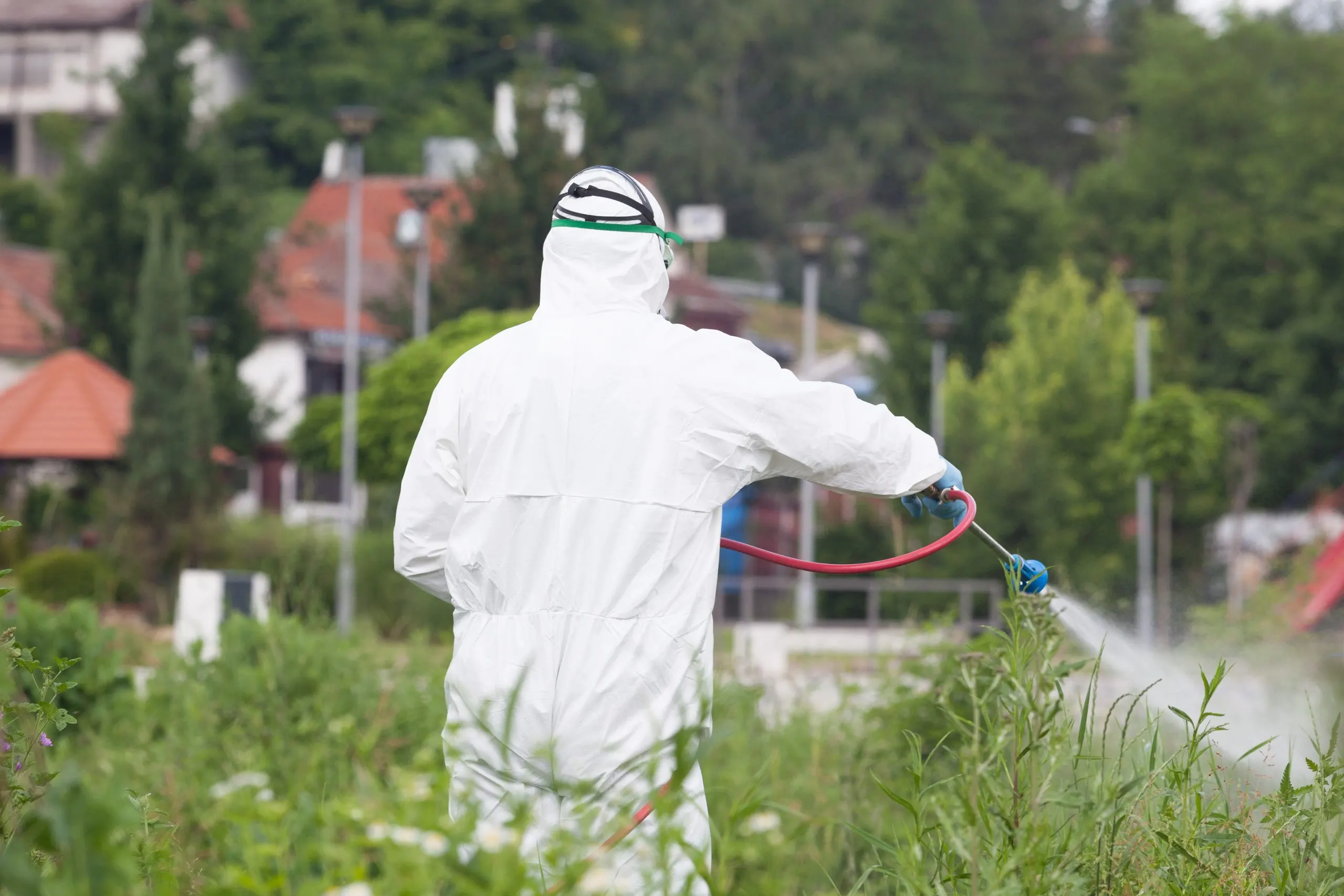
The UAE insecticide market is expanding as households, farms, hospitality businesses, facility managers, and public health authorities seek reliable solutions to manage pests in a hot and highly urbanized environment. Insecticides are used to control mosquitoes, cockroaches, ants, termites, flies, bedbugs, and agricultural pests across homes, hotels, restaurants, warehouses, landscaped areas, and protected farms. The UAE pesticide market was valued at USD 185.43 million in 2024 and is estimated at USD 193.18 million in 2025, with insecticides identified as the fastest-growing pesticide segment. Demand is increasingly shaped by hygiene, food safety, urban development, and sustainable pest management.
Key market drivers are strengthening insecticide demand in the UAE
Urbanization and hospitality growth are increasing pest control needs
The UAE’s dense urban centers, premium real estate, tourism activity, restaurants, hotels, malls, warehouses, and residential communities create steady demand for insect control solutions. Mosquitoes, cockroaches, ants, termites, flies, and bedbugs can affect hygiene, customer experience, property maintenance, and public health standards. Pest control is especially important for hospitality, food service, healthcare, logistics, and facility management businesses, where hygiene compliance and brand reputation matter. As more residential and commercial developments come online, demand for professional insecticide products, regular pest management contracts, and targeted application services is expected to remain strong.
Protected agriculture and landscaping are supporting agricultural usage
Although the UAE has limited arable land, protected farming, greenhouse cultivation, hydroponics, vertical farming, date palms, nurseries, and landscaping activities support demand for crop and plant protection products. Insecticides help manage pests that can affect vegetables, fruits, ornamental plants, turf, and palm crops. As the country invests in food security and local production, growers need pest control solutions that work in controlled-environment agriculture while supporting residue and safety requirements. Products suited for greenhouse use, precision application, and integrated pest management can gain stronger relevance.
Public health and hygiene awareness are widening applications
Insecticides also support mosquito management, sanitation programs, household protection, and commercial hygiene. Rising awareness of pest-related health risks is encouraging more preventive and professional pest control adoption.
Government initiatives and food safety priorities are shaping market growth
Government priorities around food security, public health, municipal hygiene, building safety, and sustainable agriculture are supporting responsible insecticide use in the UAE. Initiatives linked to controlled-environment farming, local food production, smart agriculture, and pest monitoring create demand for more precise and compliant pest control solutions. Municipal regulations, product registration rules, food safety standards, and environmental requirements also influence how insecticides are imported, marketed, and applied. Businesses that align with safety, labeling, residue, and application standards can build stronger credibility with institutional and commercial buyers.
Competitive landscape is becoming more service led and compliance focused
The UAE insecticide market includes pesticide importers, global agrochemical companies, professional pest control service providers, facility management firms, household insecticide brands, landscaping suppliers, and agricultural input distributors. Competition is shaped by product efficacy, safety profile, registration status, service quality, technical support, brand reputation, and reliability of supply. Professional pest control companies play a major role because many customers prefer managed services over do-it-yourself application. Businesses that combine approved products, trained technicians, digital monitoring, and preventive pest management can differentiate in a quality-sensitive market.
Market challenges continue to affect product adoption and service delivery
Regulatory compliance and safety requirements can raise operating costs
Product registration, labeling, application training, worker safety, and environmental compliance can increase costs for suppliers and service providers. Non-compliance can affect trust and market access.
Climate and resistance can make pest control more complex
High temperatures, irrigation, dense buildings, and repeated product use can support pest survival and resistance. This requires better monitoring, rotation strategies, and integrated pest management.
Future outlook
The future outlook for the UAE insecticide market remains positive, supported by urban development, hospitality growth, facility management demand, food security initiatives, protected farming, and public health needs. Opportunities are expected across professional pest control, household insecticides, termite solutions, mosquito-control products, greenhouse insecticides, biological formulations, digital pest monitoring, and integrated pest management services. As the UAE pesticide market continues to expand, businesses that combine compliance, product performance, trained service delivery, sustainability, and customer education will be better positioned to capture long-term growth.
Consultants at Nexdigm, in their latest publication “UAE Insecticide Market Outlook to 2035,” analyze the sector By Product Category (Pyrethroids, Neonicotinoids, Organophosphates, Carbamates), By Application Sector (Row Crops , Fruits and Vegetables, Specialty Crops)
Nexdigm suggests that businesses in the UAE insecticide market should focus on effective, compliant, and targeted pest control solutions that support urban hygiene, hospitality, facility management, and protected farming needs.
To take the next step, simply visit our Request a Consultation page and share your requirements with us.
Harsh Mittal
+91-8422857704