
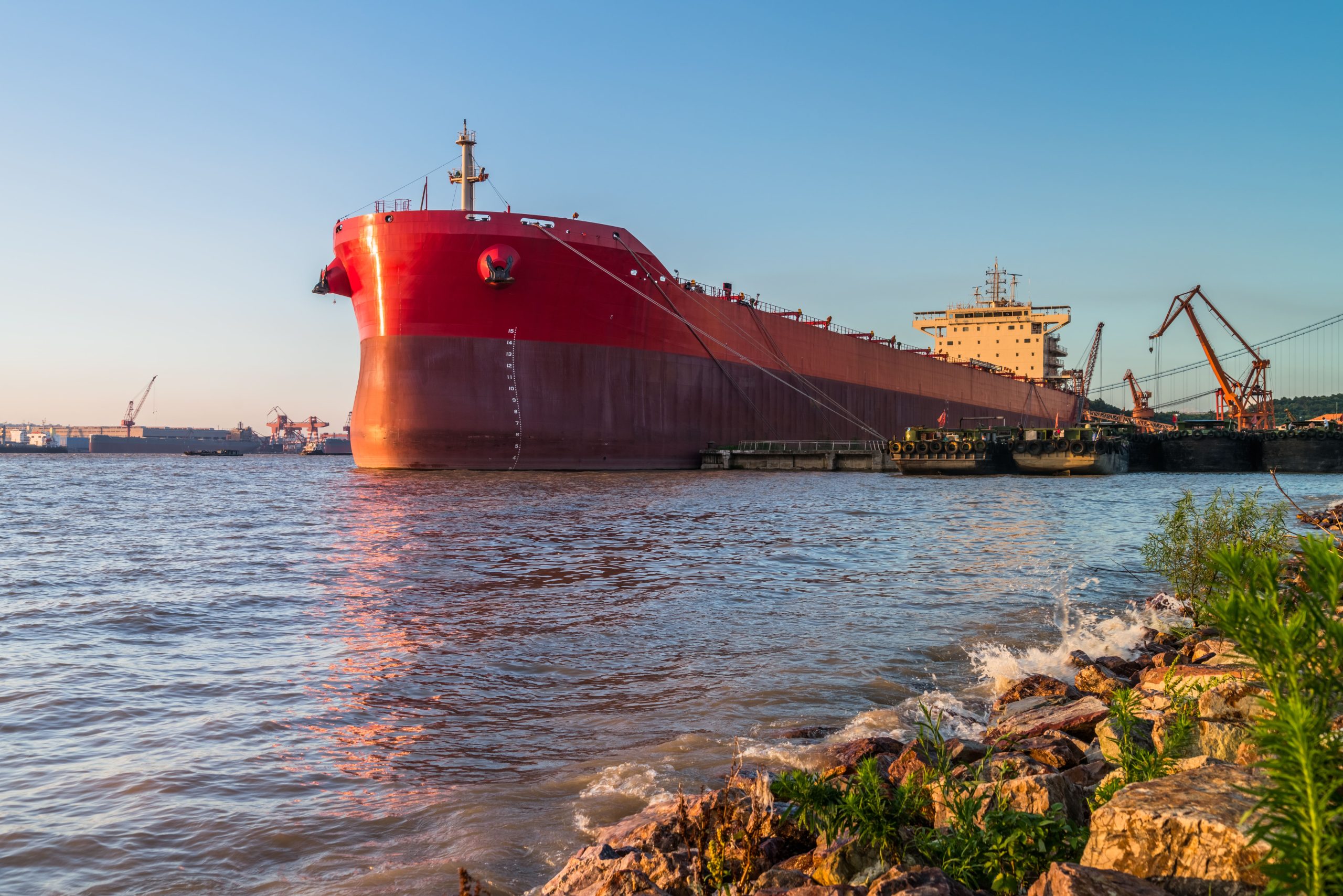
The UAE LNG Carriers Market is witnessing steady growth, supported by rising natural gas trade, expanding LNG infrastructure, and increasing investments in energy diversification. The UAE remains a major player in the global energy sector, with significant natural gas reserves and strategic maritime access connecting Asia, Europe, and the Middle East. Ongoing expansion projects led by ADNOC, including the Ruwais LNG Project, are expected to significantly increase the country’s LNG export capabilities. Growing LNG trade flows and long-term energy security requirements are strengthening demand for advanced LNG carrier fleets and transportation capacity.
Key Market Drivers for UAE’s LNG Carriers Market
Ruwais LNG Expansion Significantly Increases LNG Shipping Requirements
The UAE is rapidly expanding its LNG export capabilities through ADNOC’s Ruwais LNG Project, which will add approximately 9.6 million tonnes per annum (MTPA) of liquefaction capacity through two LNG trains. Once operational, the facility will more than double the UAE’s existing LNG export capability, creating substantial demand for LNG carrier fleets. In support of this expansion, ADNOC Logistics & Services has announced investments in new LNG carrier vessels, strengthening long-term transportation capacity and positioning the UAE as a more prominent supplier to Asian and European gas markets.
Strategic Maritime Location and Energy Trade Hub Status Drive Fleet Demand
The UAE occupies a strategic location along the Strait of Hormuz, one of the world’s most important energy shipping corridors through which roughly 20% of global petroleum liquids consumption transits. Major maritime hubs such as Jebel Ali Port, Khalifa Port, and Fujairah Port support extensive energy trade flows and logistics activities. As LNG exports increase and international buyers seek diversified gas supplies, the UAE’s geographic advantage continues to strengthen demand for modern LNG carriers capable of servicing long-haul trade routes efficiently.
Rising Global LNG Demand Supports Long-Term Shipping Growth
Global LNG demand continues to expand, driven by energy security concerns, industrial consumption, and power generation requirements. Global LNG trade has already exceeded 400 million tonnes annually, while long-term forecasts indicate demand could surpass 600 million tonnes per year over the next decade. Key importing markets across China, India, Japan, and South Korea continue to increase LNG procurement, creating sustained demand for LNG transportation services. This global expansion is encouraging vessel operators to invest in next-generation LNG carriers equipped with dual-fuel propulsion systems, lower-emission technologies, and improved fuel efficiency to meet evolving customer and regulatory requirements.
Government Initiatives Supporting UAE’s LNG Carriers Market
The UAE government continues to strengthen its energy sector through the UAE Energy Strategy 2050 and major investments in natural gas infrastructure. More than USD 200 billion has been allocated toward energy transition, infrastructure modernization, and sustainable energy projects. Additionally, ADNOC’s investments in LNG export capacity expansion, including the development of the Ruwais LNG facility, are expected to enhance the UAE’s position in global LNG trade. These initiatives are creating favorable conditions for LNG carrier demand, fleet expansion, and maritime energy logistics development.
Competitive Landscape of UAE’s LNG Carriers Market
The UAE LNG Carriers Market is shaped by growing investments from LNG producers, shipowners, energy traders, and maritime logistics companies. Competition is increasingly focused on vessel fuel efficiency, cargo capacity optimization, dual-fuel propulsion technologies, boil-off gas management systems, and environmental performance. The expansion of LNG export infrastructure, strategic location of UAE ports, and increasing global LNG demand are encouraging shipping companies to deploy next-generation LNG carriers equipped with advanced containment and propulsion technologies. Strategic partnerships between LNG suppliers, charter operators, and vessel owners are also supporting long-term fleet development and transportation capacity growth.
Major Challenges Facing UAE’s LNG Carriers Market
High Vessel Acquisition Costs
Modern LNG carriers typically require investments ranging from USD 250 million to USD 300 million per vessel, creating significant capital requirements for fleet expansion and modernization programs.
LNG Freight Market Volatility
Global LNG shipping rates remain sensitive to seasonal demand fluctuations, vessel availability, geopolitical developments, and changing trade routes, creating operational and financial challenges for market participants.
Future Outlook
The UAE LNG Carriers Market is expected to witness strong growth through 2035, driven by the addition of 9.6 MTPA from the Ruwais LNG project and increasing global LNG consumption, which is expected to exceed 600 million tonnes annually over the coming decade. The country’s strategic maritime location, investments exceeding USD 200 billion in energy infrastructure, and growing role in global LNG trade will continue to strengthen demand for LNG transportation capacity. Emerging opportunities in Asia-Pacific and Europe, combined with adoption of dual-fuel propulsion systems, digital fleet management technologies, and low-emission vessel designs, are expected to accelerate fleet modernization and long-term market expansion.
Consultants at Nexdigm, in their latest publication “UAE LNG Carriers Market to 2035,” analyse the sector By Operational Cargo Containment Type (Mark III Flex, N096 Super+ and N096 L03+), By Vessel Propulsion Technology (Steam Turbine Systems and Dual Fuel Diesel Electric) and By Chartering Contract Model (Long-Term Time Charters, Spot Market Voyaging and Short-Term Flexible Charters).
Nexdigm suggests that businesses in the UAE LNG Carriers Industry prioritize next-generation dual-fuel LNG carriers, digital fleet optimization technologies, long-term charter agreements, and strategic partnerships with LNG producers to capitalize on expanding LNG export infrastructure, growing global natural gas demand, and increasing requirements for efficient and environmentally compliant LNG transportation solutions.
To take the next step, simply visit our Request a Consultation page and share your requirements with us.
Harsh Mittal
+91-8422857704