
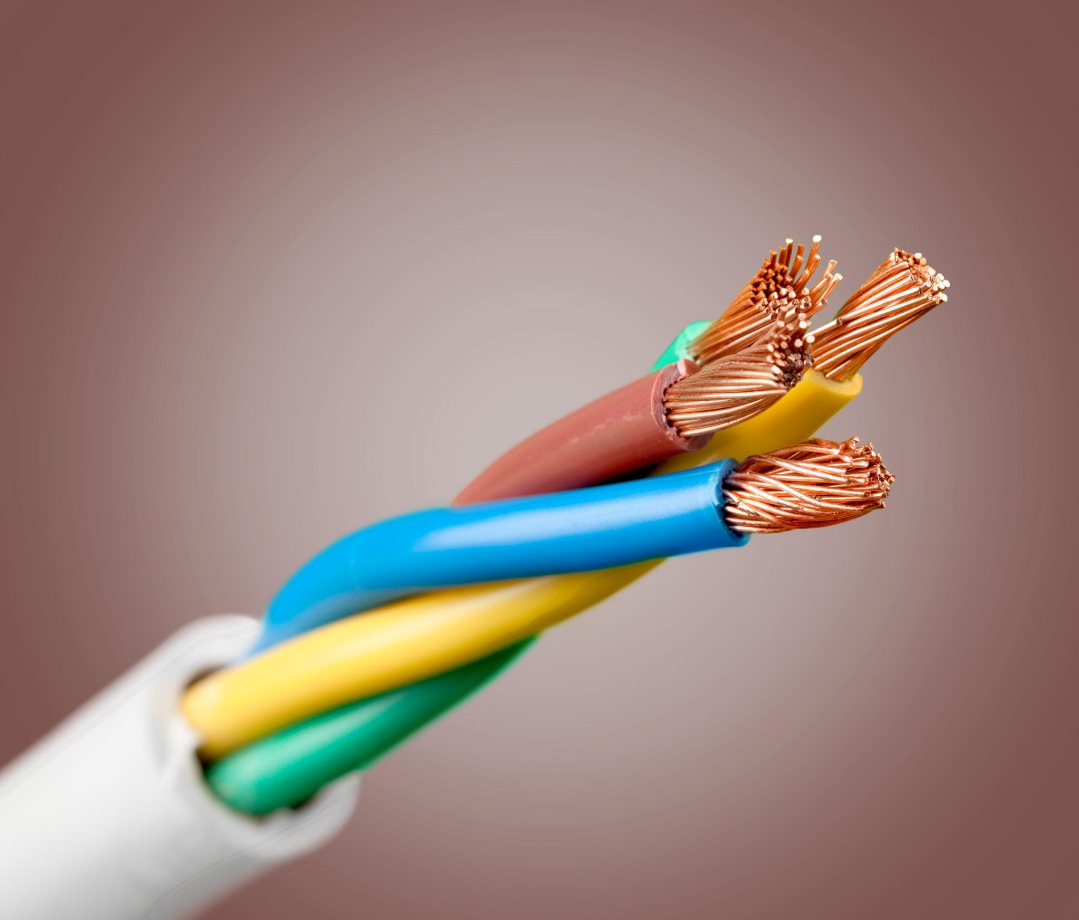
The UAE low voltage cable industry has emerged as a critical component of the nation’s construction, energy, and urban development ecosystem. Valued at USD 2.45 billion, the sector is projected to grow at a 6.8% CAGR through 2035, supported by large-scale infrastructure projects, smart city developments, and increasing electrification across residential and commercial buildings. Demand for advanced, fire-retardant, and energy-efficient cabling solutions is rising as the country continues to expand its urban footprint. Additionally, local manufacturing investments and sustainability-focused initiatives are strengthening the industry’s long-term growth prospects.
Market Drivers Advancing UAE Low Voltage Cable Growth
Infrastructure and Urban Development Projects
The UAE continues to invest heavily in commercial towers, residential communities, transportation networks, and industrial facilities. Major urban centers such as Dubai and Abu Dhabi are witnessing sustained construction activity, creating strong demand for low voltage cables used in power distribution, lighting, communication systems, and building automation. Increasing urban density is also encouraging the adoption of advanced fire-resistant cabling solutions to enhance safety standards.
Growing Electrification and Smart City Adoption
The rapid growth of smart city developments is significantly boosting cable consumption across the Emirates. Modern residential and commercial projects require high-capacity electrical distribution networks capable of supporting intelligent lighting, security systems, and connected infrastructure. As energy-efficient buildings become more prevalent, developers are investing in durable and low-maintenance cabling systems that ensure reliable connectivity and operational efficiency.
Expansion of Industrial and Energy Facilities
Industrial zones such as Ruwais continue to drive demand for specialized low voltage connectivity solutions. Petrochemical facilities, manufacturing plants, and energy projects require robust cabling systems for monitoring, automation, and operational control. Simultaneously, domestic manufacturers are expanding production capabilities to reduce dependence on imported conductive materials, strengthening the local supply chain and supporting industry growth.
Government Initiatives Supporting UAE Low Voltage Cable Industry
The UAE government is actively promoting industrial development through strict product quality and safety regulations. The Emirates Conformity Assessment Scheme (ECAS) ensures that cable products meet internationally recognized standards, improving reliability and safety across applications. Furthermore, the UAE Net Zero 2050 Strategy is encouraging manufacturers to adopt sustainable practices, including copper recycling and environmentally friendly cable materials. These initiatives are fostering innovation while supporting long-term industrial competitiveness.
Competitive Landscape of UAE Low Voltage Cable Sector
The industry features a mix of established domestic manufacturers and international suppliers. Leading local companies, including Ducab, continue to expand production capacity and invest in advanced manufacturing technologies. Market participants compete through product quality, compliance with regulatory standards, sustainable material usage, and the ability to supply customized solutions for construction, energy, and industrial applications. Strategic partnerships and capacity expansion remain key competitive strategies.
Challenges Impacting UAE Low Voltage Cable Industry
Raw Material Price Volatility
Fluctuations in copper and aluminum prices can significantly affect production costs and profit margins. Manufacturers must continuously manage procurement risks while maintaining competitive pricing in a highly dynamic business environment.
Regulatory Compliance Requirements
Stringent quality and safety standards require ongoing investments in testing, certification, and product development. Smaller manufacturers may face challenges in meeting evolving compliance requirements while remaining cost-efficient and competitive.
Future Outlook
The future of the UAE low voltage cable Industry remains highly promising as infrastructure modernization; industrial diversification, and smart city projects continue to accelerate. Strong demand from residential, commercial, and industrial applications is expected to sustain growth over the coming years. Increased focus on sustainability, local manufacturing expansion, and advanced cable technologies will further strengthen industry development. As the UAE advances its long-term economic and environmental objectives, the sector is well-positioned to benefit from rising investments in electrification, energy efficiency, and next-generation infrastructure projects.
Consultants at Nexdigm, in their latest publication “UAE Low Voltage Cable Market Outlook to 2035,” analyze the sector By (Define UAE LV Cable Scope, Top-Down Market Sizing Method, Bottom-Up Project Pipeline Tracking, DEWA Tender Data Analysis, ADDC Regulatory Review Process).
Nexdigm suggests that businesses in the UAE Low Voltage Cable Industry focus on expanding sustainable manufacturing capabilities, strengthening supply chain resilience, and aligning with evolving safety regulations. Companies should capitalize on growing demand from EV charging infrastructure, renewable energy projects, and grid modernization initiatives to drive long-term growth and competitiveness.
To take the next step, simply visit our Request a Consultation page and share your requirements with us.
Harsh Mittal
+91-8422857704