
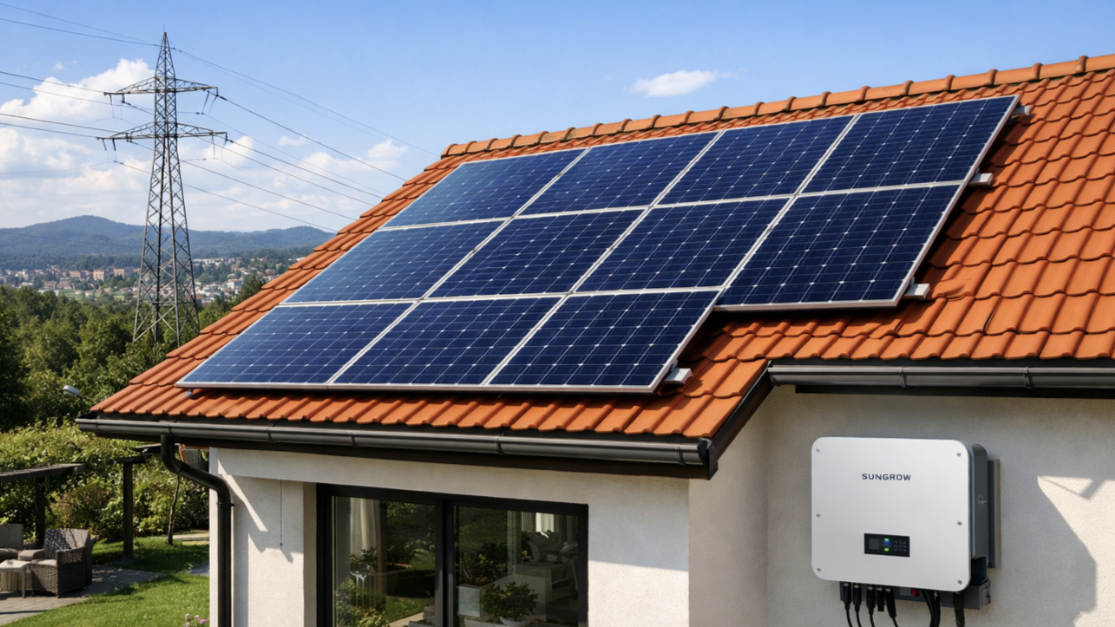
As the UAE accelerates its clean energy transition, off-grid solar energy is emerging as a practical solution for powering areas beyond traditional electricity networks. From remote desert facilities and telecom towers to agricultural operations and eco-tourism projects, businesses are increasingly turning to solar-powered systems for reliable and cost-effective electricity. Backed by a national solar capacity exceeding 7.5 GW and ambitious sustainability goals, the UAE has created a favorable environment for decentralized energy solutions. As technology becomes more affordable and efficient, off-grid solar systems are helping organizations reduce fuel costs while supporting the country’s broader clean energy vision.
Market Drivers Advancing the UAE Off-Grid Solar Energy Industry
Rising Energy Needs Across Remote UAE Locations
The UAE’s vast desert landscape hosts numerous industrial sites, oil and gas operations, telecommunications infrastructure, and remote commercial facilities. Extending conventional grid networks to these areas can be expensive and technically challenging. Off-grid solar systems offer an attractive alternative by generating electricity directly where it is needed. Modern solar-plus-battery solutions allow businesses to operate independently of the grid while reducing dependence on diesel generators. This not only lowers operating expenses but also cuts carbon emissions, making solar energy an increasingly preferred choice.
Falling Technology Costs Make UAE Off-Grid Solar More Accessible
One of the biggest catalysts for market growth is the continuous decline in solar equipment and battery storage costs. Advances in photovoltaic technology have improved energy output, while battery systems have become more efficient and reliable. For businesses looking at long-term energy planning, off-grid solar is no longer viewed as an experimental technology but as a financially viable investment. Improved monitoring platforms and smart energy management software are also enabling users to maximize energy efficiency and system performance.
UAE’s Expanding Solar Ecosystem Creates New Opportunities
The broader growth of renewable energy across the UAE is encouraging confidence in solar technologies. The country has already installed more than 7.5 GW of solar power capacity, while landmark projects such as the Mohammed bin Rashid Al Maktoum Solar Park are expected to reach 5,000 MW of generation capacity. These achievements are strengthening supply chains, attracting investments, and increasing awareness of solar energy solutions across all sectors.
Government Initiatives Supporting the UAE Off-Grid Solar Energy Industry
Government policies continue to play a vital role in expanding renewable energy deployment across the Emirates. Initiatives such as the UAE Net Zero 2050 Strategy and Dubai Clean Energy Strategy encourage investments in clean technologies and sustainable infrastructure. Large-scale solar developments led by organizations such as Masdar and DEWA are fostering innovation, improving market confidence, and indirectly supporting the adoption of off-grid solar systems across commercial and industrial applications.
Competitive Landscape of the UAE Off-Grid Solar Energy Sector
The UAE off-grid solar energy industry features a dynamic mix of local and international players competing through innovation and customized energy solutions. Companies such as Masdar, Yellow Door Energy, SirajPower, Schneider Electric, Huawei Digital Power, and specialized EPC contractors are actively expanding their renewable energy portfolios. Market participants are increasingly focusing on integrated solar-plus-storage systems, remote monitoring capabilities, and sector-specific solutions to strengthen their competitive positions.
Challenges Shaping the UAE Off-Grid Solar Energy Industry
High Upfront Investment Requirements
Although solar technology has become more affordable, complete off-grid systems still require considerable capital investment, especially when advanced battery storage is included. This can slow adoption among smaller organizations with limited budgets.
Harsh Desert Conditions Impacting System Performance
The UAE’s extreme heat, dust accumulation, and occasional sandstorms create operational challenges for solar installations. Maintaining optimal performance often requires regular cleaning, system monitoring, and preventive maintenance, adding to operational costs.
Future Outlook
The outlook for the UAE off-grid solar energy market remains highly promising as energy users increasingly prioritize reliability, sustainability, and energy independence. Continued improvements in battery technology, energy management systems, and solar panel efficiency are expected to make off-grid solutions even more attractive. Growing demand from industries such as telecommunications, agriculture, tourism, construction, and remote industrial operations will further support market expansion. With the UAE continuing to invest heavily in renewable energy infrastructure, off-grid solar systems are expected to become an integral part of the nation’s journey toward a cleaner and more resilient energy future.
Consultants at Nexdigm, in their latest publication “UAE Off-Grid Solar Energy Market to 2035” analyze the sector By Solar Technology Systrem (Bifacail Solar Technology and Lithium Iron Phosphate Packs), By Power Capacity (Medium-Scale Systems and Large-Scale Microgrids) and By Operating Region (Abu Dhabi Emirate and Dubai Emirate).
Nexdigm suggests that businesses in “UAE Off-Grid Solar Energy Industry” focusses on oilfield, desalination, construction, and industrial applications, strengthen local warehousing, develop application-specific grades, improve technical support, and build resilient sourcing networks to serve expanding energy, water, and manufacturing demand.
To take the next step, simply visit our Request a Consultation page and share your requirements with us.
Harsh Mittal
+91-8422857704