
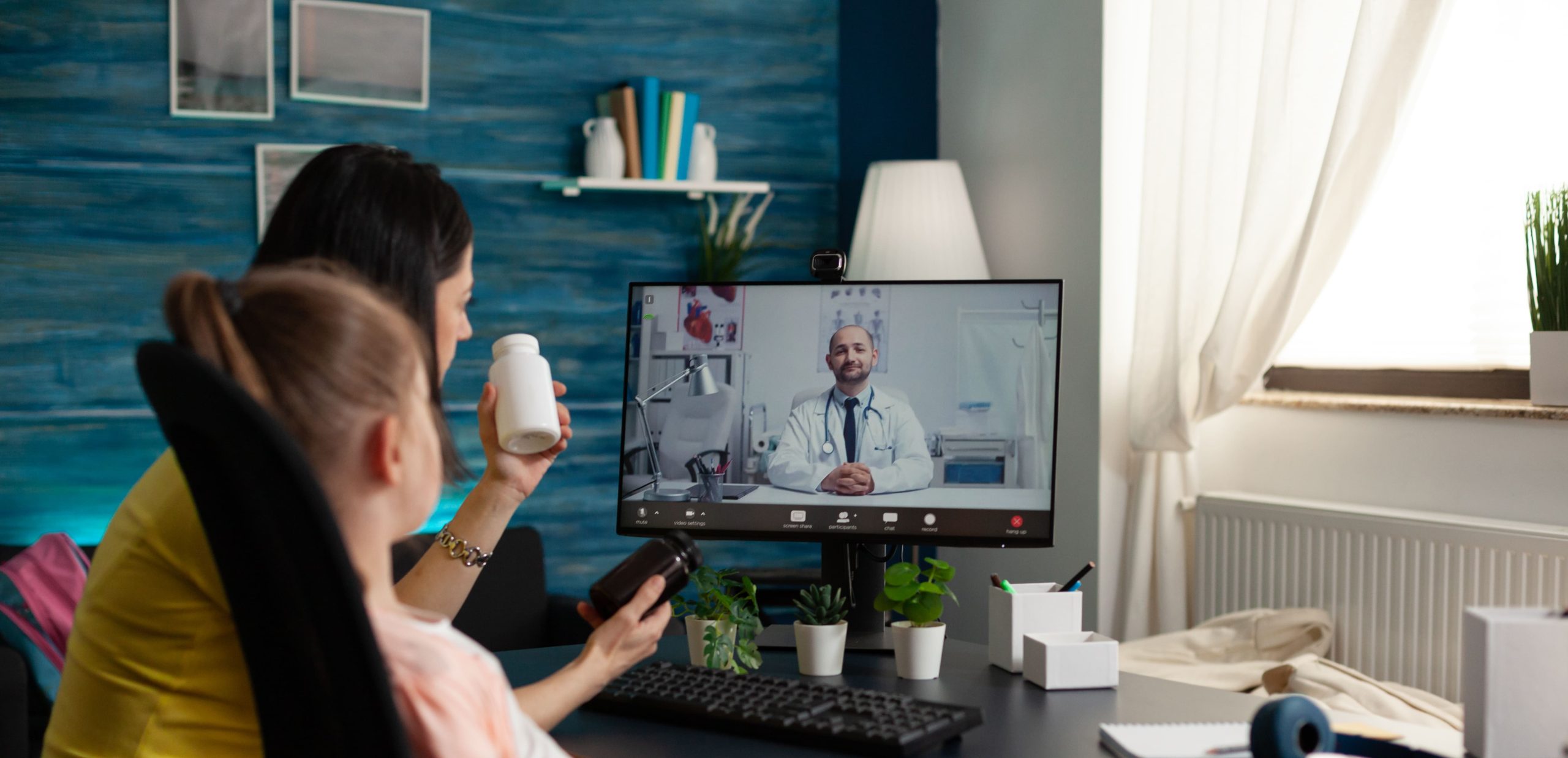
The UAE remote diagnosis space has moved well beyond early experimentation and is now settling into everyday healthcare delivery. Over the past few years, hospitals, clinics, and even smaller medical centers have started integrating virtual diagnostics into routine workflows rather than treating them as an add-on. As of 2026, the country stands out in the Gulf for its readiness to adopt digital care models, supported by high smartphone penetration, strong private healthcare networks, and a population that is generally comfortable with tech-enabled services. What is interesting is how quickly patient behavior has adapted. A few years ago, remote consultations were largely limited to convenience use cases. Today, they are being used for follow-ups, chronic disease reviews, and even initial assessments in some specialties. Remote diagnosis, in particular, is gaining traction in areas like dermatology, cardiology screenings, and radiology pre-reads. The shift is not just about access, but also about efficiency. Doctors are able to triage faster, and patients avoid unnecessary hospital visits, which matters in busy urban centers like Dubai and Abu Dhabi.
What’s Driving the Remote Diagnosis Market in the UAE?
AI Integration in Clinical Decision-Making
One of the more noticeable changes on the ground is how AI tools are quietly becoming part of clinical routines. Radiologists, for instance, are increasingly relying on AI-assisted imaging software to flag abnormalities before a detailed review. This does not replace the physician, but it shortens the diagnostic cycle and reduces the chance of oversight. In cardiology and chronic care, wearable devices and connected monitoring tools are feeding real-time data into digital platforms. Doctors can review trends rather than isolated readings, which often leads to more accurate assessments. That said, adoption is not uniform. Some practitioners remain cautious, especially when AI outputs lack transparency.
Rising Comfort with Virtual Consultations
Patient acceptance has played a bigger role than many expected. In practice, a growing share of the population now prefers virtual consultations for non-urgent concerns. Dermatology is a good example, where image-based diagnosis works reasonably well for common conditions. Mental health services have also seen a steady shift toward remote formats. This behavioral change has encouraged providers to embed diagnostic tools directly into teleconsultation platforms. Instead of simply talking to a doctor, patients now upload reports, share device data, or undergo preliminary assessments online. It creates a more complete interaction, though it still depends heavily on the quality of input data.
Chronic Disease Burden and Preventive Care
The UAE continues to face high rates of lifestyle-related conditions such as diabetes and hypertension. Managing these diseases through traditional hospital visits alone is neither practical nor efficient. Remote diagnosis offers a way to monitor patients more frequently without overwhelming healthcare facilities. For example, a diabetic patient can share glucose readings through a connected device, allowing doctors to adjust treatment plans without requiring an in-person visit. This approach works well for stable patients, although complex cases still need physical evaluation. The balance between remote and in-person care remains a work in progress.
Government-Led Initiatives
Regulation has kept pace with technological adoption, which is not always the case in emerging health markets. Authorities such as the Dubai Health Authority have introduced clear guidelines around telehealth practices, licensing, and data handling. These frameworks have helped build a level of trust among both providers and patients. At the same time, broader digital health programs are pushing for integrated medical records and unified platforms. In theory, this should allow seamless data sharing across providers. In reality, interoperability still faces some friction, especially between public and private systems.
Market Competition
Competition in this space does not follow a single pattern. Large hospital groups are expanding their digital offerings, while smaller health-tech firms are focusing on niche diagnostic solutions. Some startups specialize in AI-driven imaging, while others target remote monitoring for chronic conditions. International collaborations are also shaping the landscape. Technology providers from Europe and North America are partnering with UAE-based healthcare operators to pilot new diagnostic tools. This mix of local and global players keeps the market dynamic, though it also creates fragmentation in service quality.
Data Privacy and Clinical Reliability
A common concern among both patients and doctors relates to data security and diagnostic accuracy. Remote diagnosis depends heavily on digital data, whether it comes from uploaded images, wearable devices, or cloud-based systems. Any breach or inconsistency can undermine trust quickly. There is also the question of clinical reliability. Not all conditions can be accurately diagnosed without physical examination. While remote tools work well for certain use cases, over-reliance can lead to missed nuances. Striking the right balance between convenience and clinical rigor remains one of the more difficult aspects of this market.
Future Outlook
Looking ahead, remote diagnosis in the UAE will likely become a standard layer within outpatient care rather than a separate service. Its role in early screening, follow-ups, and chronic disease management is already clear. What will shape the next phase is how well providers integrate these tools into everyday clinical workflows. By 2030, more hospitals are likely to adopt hybrid care models, where patients move seamlessly between virtual and physical consultations depending on need. The technology will improve, but adoption will still depend on trust, usability, and clear clinical value.
Consultants at Nexdigm, in their latest publication “UAE Remote Diagnosis Market Outlook to 2030”, analyze the market by Component (Software Platforms, AI Diagnostic Tools, Remote Monitoring Devices, Services), By Application (Cardiology, Radiology, Dermatology, Primary Care, Chronic Disease Management), By End User (Hospitals, Clinics, Home Healthcare Providers, Telehealth Platforms), and By Region (Dubai, Abu Dhabi, Sharjah, Rest of UAE). Nexdigm believes that businesses should prioritize AI-integrated diagnostics, secure interoperability, and specialty-led virtual care models to capture long-term opportunities in the UAE remote diagnosis ecosystem.
To take the next step, simply visit our Request a Consultation page and share your requirements with us.
Harsh Mittal
+91-8422857704