
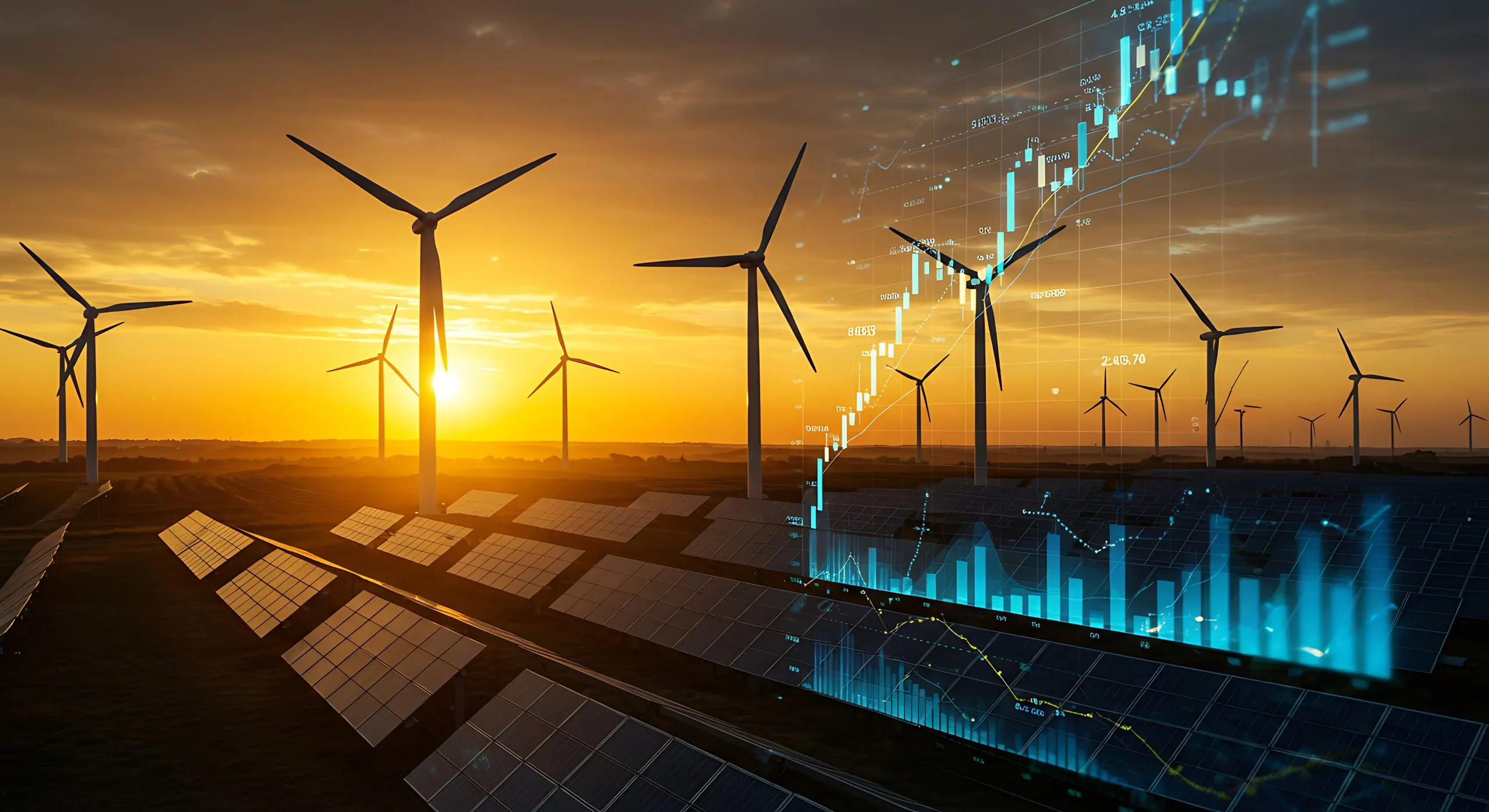
The UAE renewable energy market is gaining strong momentum as the country works to reduce its reliance on fossil fuels and build a more balanced energy mix. Solar power remains the main growth engine, while wind energy, energy storage, green hydrogen, and smart grid infrastructure are also becoming more important. The UAE Energy Strategy Vision aims to triple the contribution of renewable energy and attract AED 150–200 billion in investment by creating a strong foundation for long-term growth. Major projects show how quickly the country is moving from clean energy targets to real projects. As electricity demand continues to rise, renewable energy will play a larger role in supporting reliable, affordable, and low-carbon power supply. By next decade, clean energy is expected to become a more central part of the UAE’s power system and economic diversification plans.
Key Factors Driving Renewable Energy Growth in the UAE
Rising Power Demand and Energy Diversification
The UAE renewable energy market is being driven by the need to meet growing electricity demand while reducing dependence on fossil fuels. Population growth, industrial expansion, cooling demand, digital infrastructure, and smart city development are increasing the need for reliable power. Renewable energy, especially solar, offers a practical way to meet this demand while supporting the UAE’s Net Zero Strategic ambitions. Strong solar irradiation and large-scale project experience have also helped the UAE become one of the region’s leading renewable energy markets.
Large-Scale Projects and Improving Clean Energy Economics
Major projects are creating strong momentum for market growth. Dubai’s Mohammed bin Rashid Al Maktoum Solar Park has reached 3,860 MW in production capacity and is expected to exceed 8,000 MW in the coming years, while Abu Dhabi’s Al Dhafra Solar PV project has 2 GW capacity. The UAE Wind Program adds 103.5 MW of utility-scale wind capacity, helping diversify the renewable energy mix beyond solar. Falling renewable technology costs, energy storage development, grid modernization, and rising corporate sustainability goals are also supporting wider adoption across utility, commercial, and industrial users.
UAE Government Initiatives for Clean Energy Programs
Government support is one of the strongest forces behind the UAE renewable energy market. The UAE Energy Strategy supports clean energy expansion, energy security, and long-term investment in modern power infrastructure. Dubai’s Clean Energy Strategy and the Net Zero target further strengthen renewable energy deployment across the country. Public-backed projects such as the Mohammed bin Rashid Al Maktoum Solar Park and the UAE Wind Program are helping turn policy goals into operating clean energy assets. Independent power producer models are also attracting global developers, investors, and technology providers. Clear national targets give companies better visibility for long-term project planning, financing, and technology partnerships. As policies move from strategy to implementation, renewable energy projects are expected to attract stronger private-sector participation.
Competitive Landscape of the UAE Renewable Energy Market
The UAE renewable energy market includes national utilities, renewable energy developers, infrastructure investors, EPC contractors, technology suppliers, and international energy companies. Key participants include Masdar, DEWA, TAQA, EWEC, ADNOC-linked entities, ACWA Power, EDF Renewables, Jinko Power, and other global clean energy firms. Competition is expected to increase as solar; wind, storage, and hydrogen projects expand across the country. Companies will compete on project financing, technology capability, execution speed, cost efficiency, and long-term operating performance. Strategic partnerships will remain important because large renewable projects require strong capital support, technical expertise, and reliable offtake agreements. Firms with experience in large-scale project delivery and harsh climate conditions are likely to gain a stronger competitive position.
Barriers Slowing Renewable Energy Expansion in the UAE
Grid Integration, Intermittency, and Storage Needs
The UAE renewable energy market faces challenges linked to integrating higher levels of solar and wind power into the grid. Since renewable generation depends on weather conditions and time of day, energy storage, flexible grid systems, and accurate forecasting will be essential for reliable power supply. As clean energy capacity grows, utilities will need to invest in modern grid infrastructure, transmission upgrades, and storage solutions to balance supply and demand.
Project Costs, Harsh Climate Conditions, and Market Structure
Large-scale renewable projects require significant investment, land, transmission infrastructure, permitting, and long-term planning. High temperatures, dust, and desert conditions can affect equipment performance, cleaning needs, and maintenance costs. Supply chain risks for solar modules, wind components, batteries, and grid equipment may also affect project timelines. Clearer market structures for storage, grid services, and private renewable power procurement will be important for faster adoption.
Future Outlook
The UAE renewable energy market is expected to expand strongly in the coming years, supported by policy targets, large project pipelines, technology improvements, and rising demand for low-carbon electricity. Solar power will remain the dominant segment, while wind, energy storage, green hydrogen, and hybrid renewable systems are likely to gain more importance. The expansion of the Mohammed bin Rashid Al Maktoum Solar Park beyond will be a major milestone for the country’s clean energy sector. As storage costs decline and grid systems modernize, renewable energy will become more reliable, flexible, and easier to use across the power system. In the coming years, the UAE is likely to be one of the region’s most advanced renewable energy markets, with clean power playing a central role in energy diversification. Continued investment, stronger partnerships, and supportive policies will determine how quickly the market reaches its full potential.
Consultants at Nexdigm, in their latest publication UAE Renewable Energy Market Outlook to 2035, analyze the sector by System Type (Solar Energy System, Wind Energy System, Hydro power Energy System and Biomass Energy Systems), by Platform Type (On shore platforms, Off-shore platforms, Hybrid Platforms, Residential Platforms, Commercial Platforms).
Nexdigm suggests that businesses in the UAE should actively align their strategies with the country’s renewable energy goals. By investing in clean energy technologies like solar, wind, and hydrogen, companies can reduce operational costs, enhance sustainability, and capitalize on government incentives, contributing to the nation’s green transition.
To take the next step, simply visit our Request a Consultation page and share your requirements with us.
Harsh Mittal
+91-8422857704