
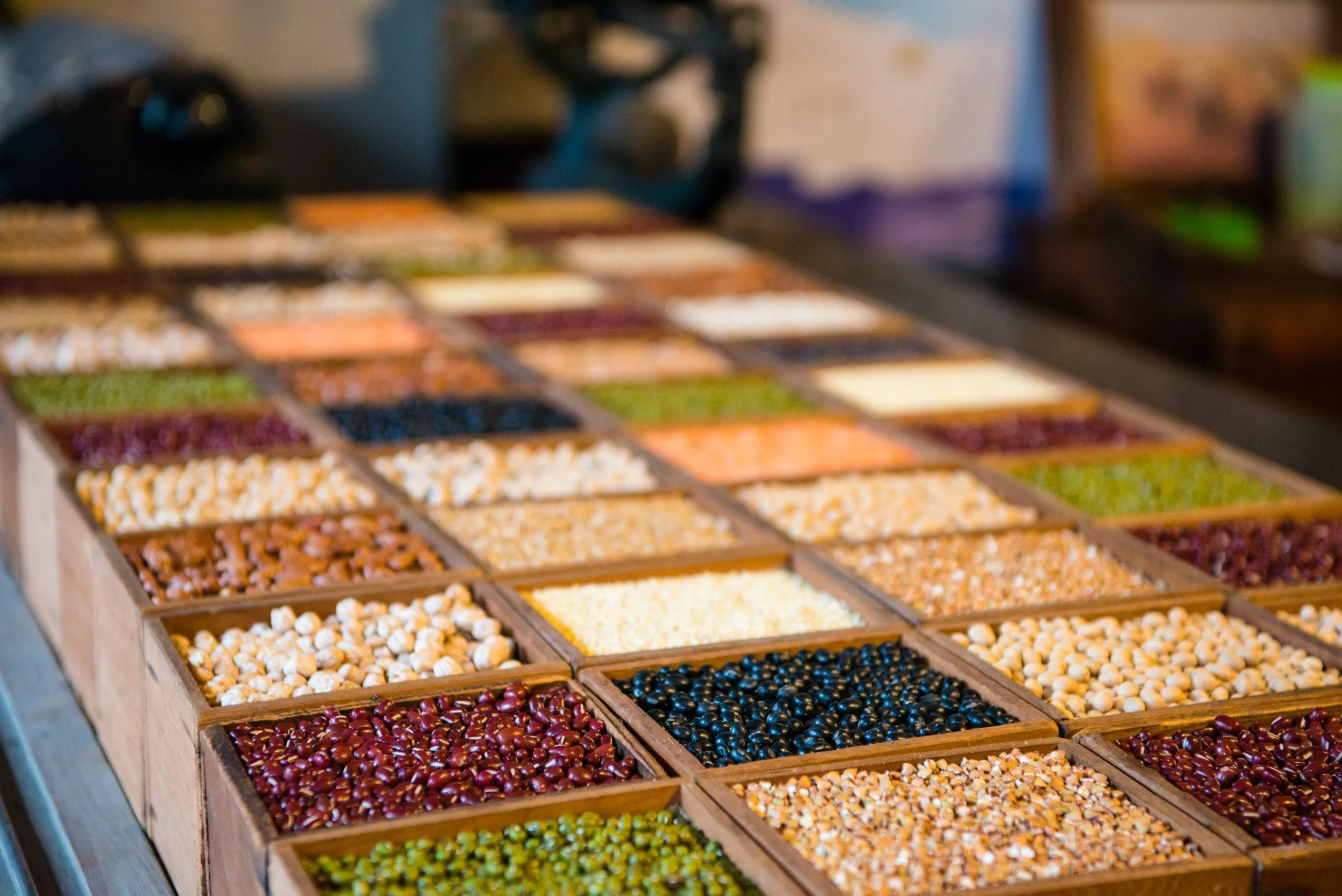
The UAE vegetable seed market is gaining momentum as the country accelerates efforts to enhance domestic food production and reduce its dependence on imported agricultural products. Despite challenging climatic conditions, advancements in greenhouse farming, hydroponics, and vertical agriculture are creating strong demand for high-quality vegetable seeds. More than 80% of commercial seeds used in the UAE are imported, highlighting the growing need for reliable and high-performing seed varieties. As consumers increasingly seek fresh, healthy, and locally grown produce, seed innovation is becoming a critical component of the country’s agricultural transformation.
Key Growth Drivers in the UAE Vegetable Seed Market
Rising Adoption of Controlled-Environment Agriculture
One of the most significant drivers of the UAE vegetable seed market is the rapid expansion of controlled-environment farming. Greenhouses, hydroponic systems, and vertical farms are helping growers overcome water scarcity and harsh weather conditions while producing vegetables throughout the year. These farming systems require specialized vegetable seeds with high germination rates, disease resistance, and consistent yield performance. As investments in agri-tech continue to rise, demand for premium hybrid vegetable seeds is expected to grow significantly.
Increasing Demand for Climate-Resilient and Water-Efficient Seeds
Water scarcity remains one of the biggest challenges for agriculture in the UAE. As a result, farmers are increasingly adopting heat-tolerant, drought-resistant, and salinity-resistant seed varieties that can thrive in desert environments. Modern hybrid vegetable seeds enable producers to maximize output while using fewer resources. This is particularly important as the country focuses on improving agricultural sustainability and optimizing water usage across farming operations.
Growing Consumer Preference for Fresh and Healthy Produce
The UAE’s growing population and rising health consciousness are increasing demand for fresh vegetables produced locally. Consumers are paying greater attention to food quality, nutritional value, and sustainability, encouraging growers to improve crop productivity and consistency. This trend is driving demand for advanced seed varieties capable of delivering higher-quality vegetables with improved shelf life and better resistance to pests and diseases. In addition, the increasing popularity of organic farming is creating new opportunities for seed suppliers across the market.
Government Initiatives Supporting the UAE Vegetable Seed Market
Government support remains a major catalyst for the UAE vegetable seed market. Programs under the UAE National Food Security Strategy 2051 are encouraging investments in agricultural innovation, greenhouse cultivation, hydroponics, and climate-smart farming. Regulatory frameworks focused on seed quality, certification, and sustainable agriculture are also helping strengthen the market. Furthermore, government-backed agricultural technology projects are creating favorable conditions for both local and international seed companies to expand their presence in the country.
Competitive Landscape of the UAE Vegetable Seed Market
The UAE vegetable seed market consists of a mix of multinational seed manufacturers, regional suppliers, and specialized agricultural technology firms. Competition is largely centered on hybrid seed innovation, product quality, climate adaptability, and technical support for growers. Companies are increasingly investing in research and development to introduce varieties suited for greenhouse and hydroponic cultivation. Strategic partnerships with agri-tech companies and local distributors are also helping market players strengthen their position and reach a wider customer base.
Key Challenges Facing the UAE Vegetable Seed Market
Heavy Reliance on Imported Seeds
A major challenge for the UAE vegetable seed market is its dependence on imported seeds, with over 80% of commercial seeds sourced from international suppliers. This can expose growers to supply chain disruptions, import restrictions, and price fluctuations that may impact agricultural productivity.
Harsh Climatic Conditions
Extreme temperatures, limited arable land, and water scarcity continue to pose challenges for vegetable cultivation. Seed developers must continuously innovate to create varieties that can perform effectively under desert conditions while maintaining productivity and crop quality. These environmental constraints make ongoing research and adaptation essential for long-term market growth.
Future Outlook
The future of the UAE vegetable seed market appears highly promising as the country continues investing in food security, agricultural technology, and sustainable farming solutions. The increasing adoption of greenhouse farming, precision agriculture, and hydroponic systems will continue to drive demand for advanced vegetable seed varieties. Additionally, the broader UAE seed market is projected to grow at a CAGR of nearly 5.9%, supported by technological advancements and government backing. As growers seek greater productivity, water efficiency, and climate resilience, seed innovation will remain at the center of agricultural development. The market is expected to witness growing demand for premium hybrid seeds specifically designed for controlled-environment agriculture and desert farming conditions.
Consultants at Nexdigm, in their latest publication “UAE Vegetable Seed Market Outlook to 2035,” analyze the sector By Crop Family (Tomato Seeds, Cucumber Seeds, Leafy Green Seeds, Pepper and Capsicum Seeds, Melon and Watermelon Seeds), By Distribution Channel (Direct-to-Farm Sales, Seed Importers and Local Distributors, Agri-Input Distributors, Hydroponic Solution Providers).
Nexdigm suggests that businesses should focus on developing climate-resilient and water-efficient vegetable seed varieties, strengthen partnerships with greenhouse and hydroponic operators, and leverage food security initiatives to capitalize on the growing opportunities within the UAE vegetable seed market.
To take the next step, simply visit our Request a Consultation page and share your requirements with us.
Harsh Mittal
+91-8422857704