
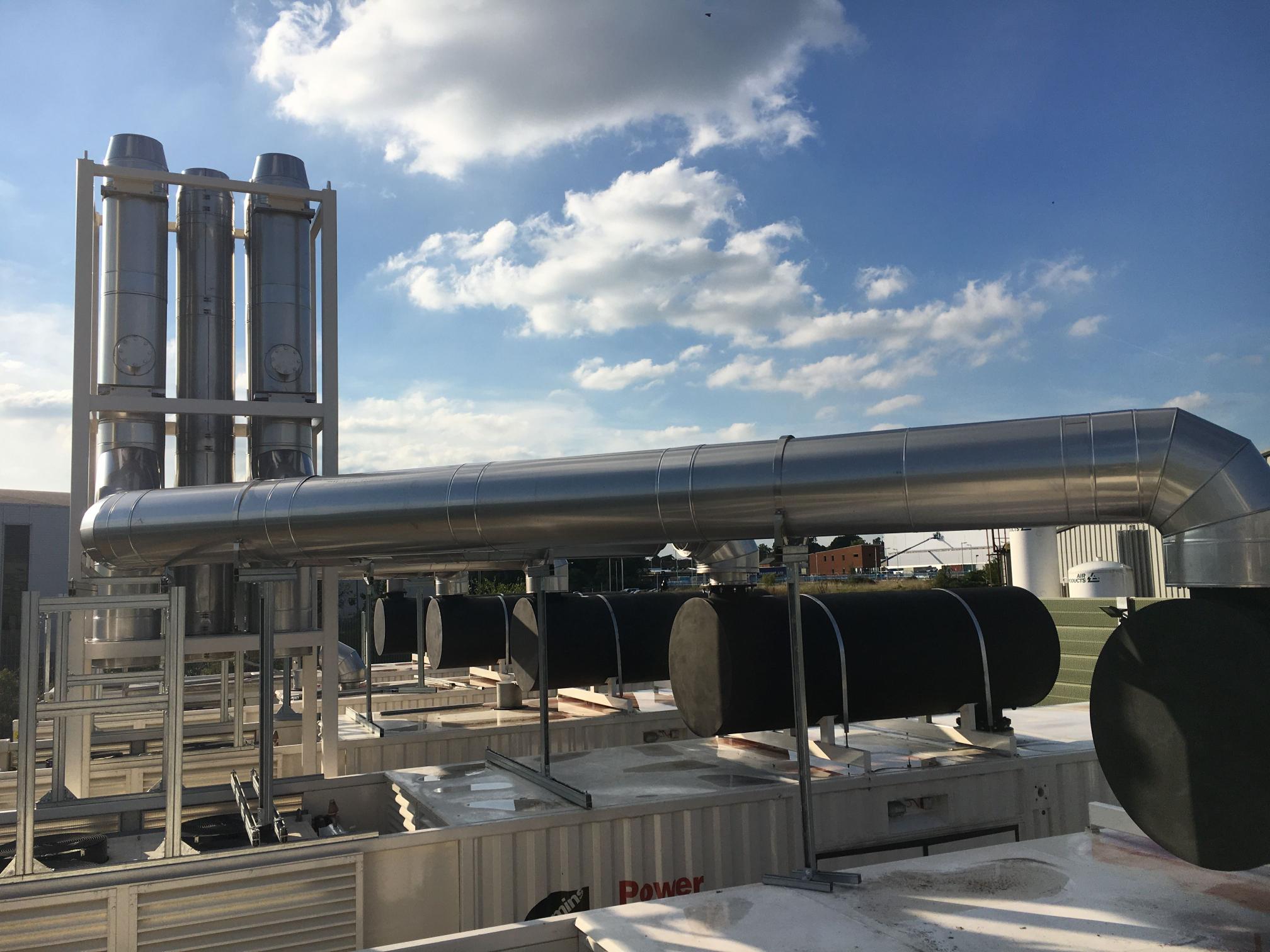
The UK air separation unit (ASU) industry is witnessing steady expansion, supported by growing demand for industrial gases across oil & gas, manufacturing, energy, and hydrogen production applications. Air separation units play a critical role in producing high-purity oxygen, nitrogen, and argon required for various industrial processes. The industry is valued at approximately USD 1.84 billion and is expected to grow at a 5.6% CAGR through the forecast period. Increasing investments in decarbonization projects, carbon capture infrastructure, and energy-efficient gas production technologies are creating new opportunities for industry participants across major industrial hubs in the United Kingdom.
Market Drivers Advancing UK Air Separation Unit Growth
Rising Demand for Industrial Gases in Energy and Manufacturing
The growing need for oxygen and nitrogen across refining, petrochemical, steelmaking, and chemical processing facilities is a major growth driver. In the oil and gas sector, nitrogen is extensively used for pipeline purging, pressure testing, and enhanced recovery operations, while oxygen supports various industrial combustion processes. As industrial production increases, the requirement for reliable onsite gas generation systems continues to strengthen.
Expansion of Green Hydrogen Projects
The UK’s transition toward cleaner energy sources is significantly boosting demand for high-purity gases. Green hydrogen production facilities rely on substantial quantities of oxygen generated through air separation technologies. Industrial clusters such as Teesside and the Humber region are emerging as key locations for hydrogen and carbon capture projects, creating additional opportunities for ASU deployment. This trend is accelerating investments in large-scale gas production infrastructure.
Technological Advancements and Digitalization
Leading industry participants are investing in modular and digitally optimized air separation systems that improve operational efficiency and reduce energy consumption. Modern ASUs incorporate automation, remote monitoring, and advanced process controls, enabling operators to lower operating costs while maintaining gas purity standards. These innovations are particularly attractive for industries pursuing sustainability and emissions reduction objectives.
Government Initiatives Supporting UK Air Separation Unit Sector
The UK government continues to support industrial decarbonization through policies aimed at reducing carbon emissions and promoting clean energy adoption. The Department for Energy Security and Net Zero encourages investment in carbon capture, usage, and storage (CCUS) projects, while emissions reporting requirements under the Climate Change Act 2008 are driving industries toward more efficient gas production systems. Government-backed hydrogen development programs are also increasing demand for oxygen and nitrogen infrastructure across industrial zones.
Competitive Landscape of UK Air Separation Unit Industry
The industry is characterized by the presence of global industrial gas companies focusing on efficiency, sustainability, and technological innovation. Major participants such as Linde plc and Air Products and Chemicals, Inc. are expanding investments in modular air separation technologies and digital process management solutions. Competitive differentiation increasingly revolves around energy efficiency, operational reliability, and the ability to support large-scale industrial decarbonization projects throughout the United Kingdom.
Challenges Impacting UK Air Separation Unit Industry
High Energy Consumption and Operating Costs
Air separation is an energy-intensive process that requires significant electricity for compression and cryogenic operations. Rising energy prices can increase operational expenses and impact profitability for facility operators, particularly during periods of energy market volatility.
Capital-Intensive Infrastructure Requirements
The installation of large-scale air separation units requires substantial upfront investment in equipment, infrastructure, and maintenance. Long project development timelines and regulatory compliance requirements may create barriers for new entrants seeking to establish operations within the sector.
Future Outlook
Growing Role in Clean Energy Development
The outlook for the UK air separation unit industry remains positive as hydrogen production, carbon capture projects, and industrial decarbonization initiatives continue to expand. Demand for high-purity oxygen and nitrogen is expected to rise alongside the development of low-carbon industrial infrastructure.
Consultants at Nexdigm, in their latest publication “UK Air Separation Unit Market Outlook to 2035,” analyze the sector By (Defining UK Industrial Gas Boundaries, Top-down Sector Capacity Aggregation, Bottom-up Plant Utilization Assessment, Government UK ETS Data Reconciliation, Direct Stakeholder Expert Interviews, Supply Chain Vendor Procurement Surveys, Energy,).
Nexdigm suggests that businesses in the UK Air Separation Unit industry focus on investing in energy-efficient and digitally enabled air separation technologies, strengthening partnerships with hydrogen and decarbonization projects, and optimizing operational costs to capitalize on the growing demand for industrial gases across the oil & gas, manufacturing, and clean energy sectors.
To take the next step, simply visit our Request a Consultation page and share your requirements with us.
Harsh Mittal
+91-8422857704