
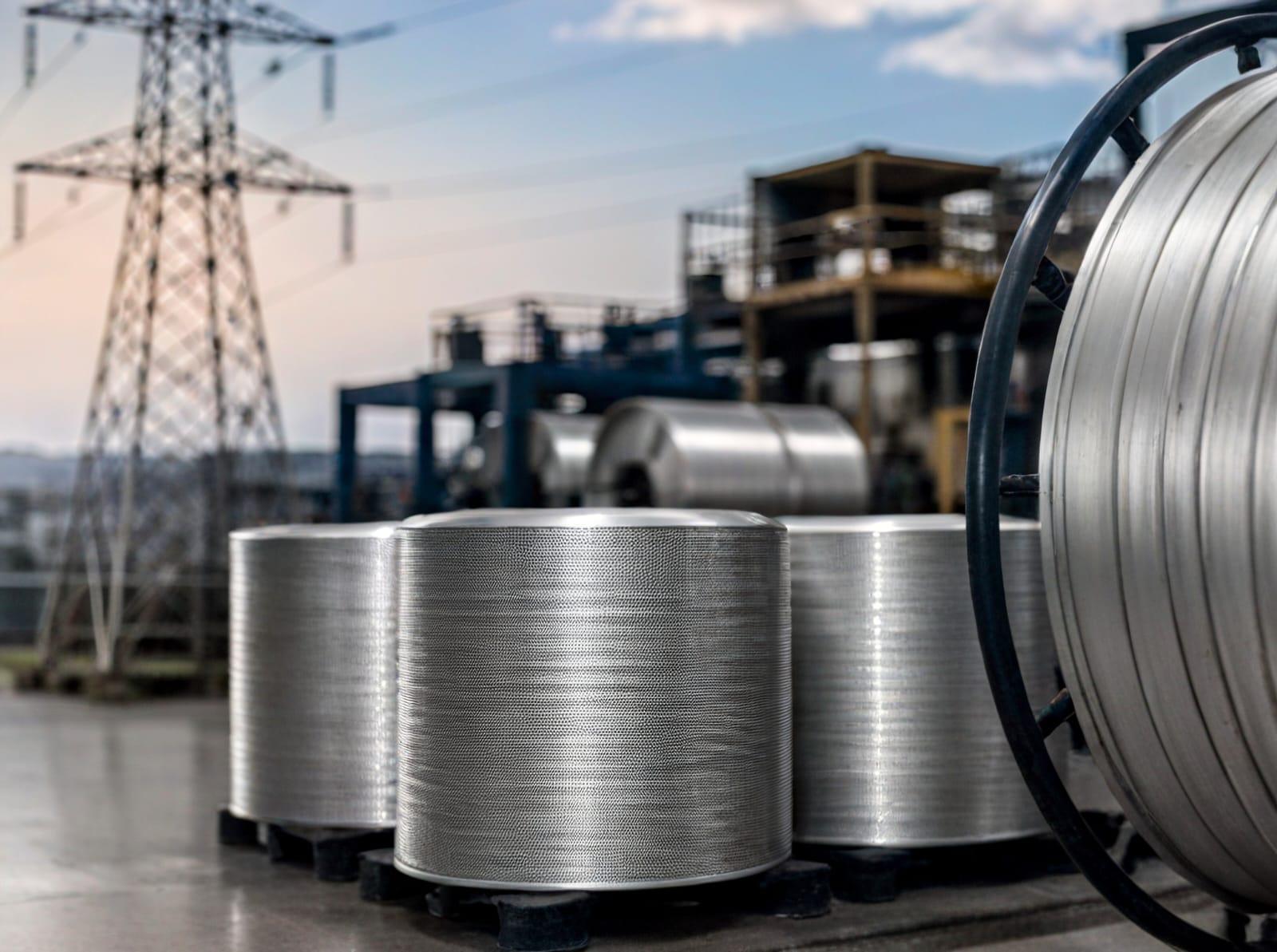
The UK Aluminum Alloy Conductors industry is becoming an essential part of the country’s energy transition. As renewable energy projects expand, electric vehicle adoption accelerates, and electricity networks become increasingly complex, demand for efficient power transmission solutions continues to rise. Aluminum alloy conductors are helping utilities move electricity more efficiently across long distances while reducing infrastructure costs. Their lightweight design, strong mechanical performance, and corrosion resistance make them particularly valuable for modern transmission and distribution networks. With major investments planned for electricity infrastructure and renewable energy integration, the industry is well-positioned for sustained growth in the coming years.
Market Drivers Advancing the UK Aluminum Alloy Conductors Industry
UK Grid Modernization Projects Are Creating Strong Demand
One of the biggest drivers for the UK Aluminum Alloy Conductors market is the need to modernize aging electricity infrastructure. The country’s transmission network is being upgraded to accommodate rising power consumption and increased renewable energy generation. National Grid has outlined plans involving more than £58 billion of electricity network investment over the next several years, highlighting the scale of infrastructure development underway. For utilities, aluminum alloy conductors provide an attractive solution because they offer high conductivity while reducing line weight and maintenance requirements. This combination makes them ideal for replacing older transmission assets and supporting next-generation grid systems.
Renewable Energy Expansion Is Strengthening Industry Opportunities
The UK’s renewable energy ambitions are another major contributor to market growth. The country hosts one of the world’s largest offshore wind sectors, with offshore wind contributing a significant share of national electricity generation. Large-scale projects across the North Sea require extensive transmission infrastructure capable of transporting power efficiently to homes and businesses. Aluminum alloy conductors help operators improve transmission efficiency while reducing installation costs. As new offshore wind farms and renewable energy clusters come online, demand for advanced conductor technologies is expected to increase steadily.
Rising Electricity Consumption Is Driving Network Upgrades
The electrification of transport, heating, and industrial processes is placing greater pressure on existing electricity networks. Millions of electric vehicles are expected to connect to the grid over the coming years, while growing adoption of heat pumps and smart technologies will further boost electricity demand. To manage these changes, utilities are investing in stronger and more reliable transmission corridors. Aluminum alloy conductors deliver higher current-carrying capacity and long operational life, making them a preferred choice for expanding network capacity while maintaining efficiency.
Government Initiatives Supporting the Aluminum Alloy Conductors Industry
The UK government’s net-zero strategy, renewable energy targets, and power infrastructure investment programs continue to create favorable conditions for the aluminum alloy conductors industry. Policies supporting offshore wind development, grid resilience, and transmission expansion are encouraging utilities to deploy advanced conductor solutions. Regulatory support for low-carbon energy projects and network modernization is expected to remain a key factor driving market expansion across the country.
Competitive Landscape of the UK Aluminum Alloy Conductors Sector
Competition within the UK Aluminum Alloy Conductors market is characterized by technological innovation, product performance, and strategic partnerships. Leading participants such as Prysmian Group, Nexans, APAR Industries, Lamifil, and Midal Cables are focusing on developing conductors with enhanced strength, conductivity, and durability. Many companies are also collaborating with transmission operators and renewable energy developers to secure long-term infrastructure projects and strengthen their market presence.
Challenges Facing the UK Aluminum Alloy Conductors Industry
Aluminum Price Volatility Continues to Impact Manufacturers
Fluctuating aluminum prices remain a significant challenge for market participants. Changes in global supply-demand dynamics, energy costs, and geopolitical developments can influence raw material expenses, affecting project budgets and profit margins across the supply chain.
Infrastructure Approval Processes Can Delay Projects
Large transmission projects often require extensive environmental reviews, regulatory approvals, and stakeholder consultations. While these measures are important for sustainable development, they can extend project timelines and slow the deployment of new conductor installations, creating challenges for both utilities and manufacturers.
Future Outlook
The future of the UK Aluminum Alloy Conductors market remains highly promising as the country accelerates its transition toward a cleaner and more electrified energy system. Growing investments in offshore wind farms, smart grids, interconnectors, and transmission infrastructure will continue to create substantial demand for advanced conductor solutions. Innovations that improve conductivity, reduce transmission losses, and enhance product longevity are expected to further strengthen adoption. As the UK pursues energy security and decarbonization goals, aluminum alloy conductors will play an increasingly important role in delivering reliable and efficient electricity networks for future generations.
Consultants at Nexdigm, in their latest publication “UK Aluminium Alloy Conductor Market Outlook 2035”, analyse the sector By Utility Application Segment (Transmission Operators, Distribution Network Operators and Offshore Wind Farm Grid Integration), By Operating Voltage Class (11kV – 33kV Distribution, 132kV Sub-Transmission and 275kV High Voltage ) and By Installation Environment (Coastal Corrosion Zones, Urban Dense Overhead Networks and Rural Long-Span Crossings).
Nexdigm suggests that businesses in “UK Aluminum Alloy Conductors Industry” focusses on oilfield, desalination, construction, and industrial applications, strengthen local warehousing, develop application-specific grades, improve technical support, and build resilient sourcing networks to serve expanding energy, water, and manufacturing demand.
To take the next step, simply visit our Request a Consultation page and share your requirements with us.
Harsh Mittal
+91-8422857704