
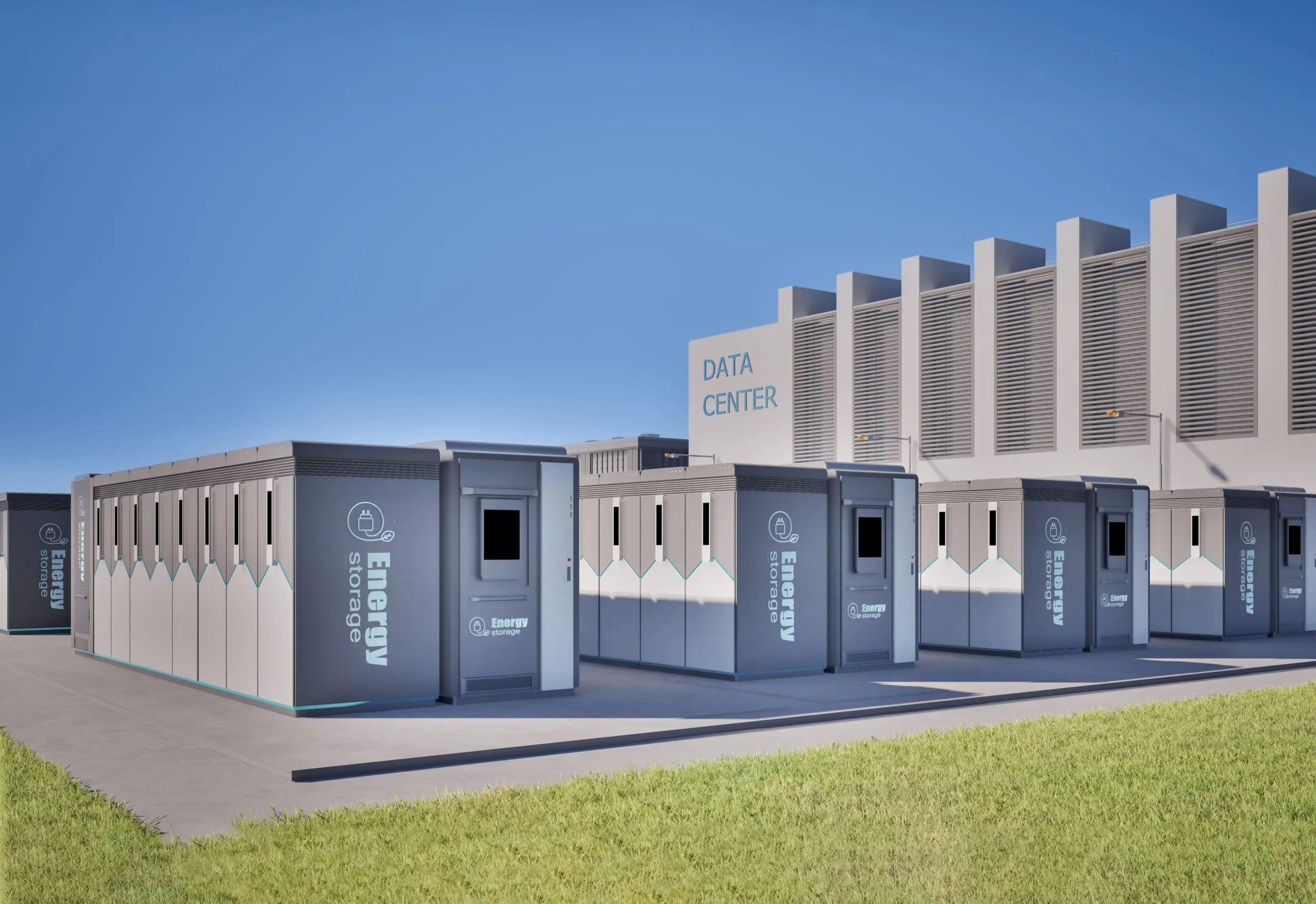
The UK energy storage market has moved well beyond the experimental stage. What was once treated as a supporting technology for renewable energy is now becoming a core part of the country’s electricity infrastructure. As of 2026, battery storage projects are appearing across former industrial zones, renewable energy hubs, and even near densely populated urban regions where grid balancing has become a growing concern. The shift is closely tied to Britain’s energy transition goals. Wind and solar generation continue to take a larger share of electricity production, but renewable energy comes with an unavoidable complication – supply does not always match demand. On windy weekends, excess electricity can flood the grid. A few days later, power shortages may force reliance on gas-fired plants again. Energy storage is increasingly being viewed as the bridge between those two extremes. While lithium-ion batteries dominate the market today, interest in alternative technologies such as flow batteries and long-duration storage is quietly building. Investors are paying attention because the UK has become one of Europe’s more active battery storage markets, particularly for utility-scale projects connected to offshore wind developments.
What’s Driving the Energy Storage Market in the UK?
Offshore Wind Expansion Creating Storage Demand
The UK remains one of the largest offshore wind producers globally, and that creates a practical need for large-scale storage. Wind farms in the North Sea regularly generate substantial electricity volumes, yet output can fluctuate sharply depending on weather conditions. In practice, grid operators need fast-response systems capable of absorbing excess power and releasing it when demand rises. Battery storage facilities are increasingly being installed alongside renewable projects for this reason. Developers have realized that renewable generation alone is no longer enough; dispatch flexibility now carries commercial value too. Some storage sites in England and Scotland are already participating in frequency response markets where operators are paid to stabilize the grid within seconds.
Rising Pressure on the National Grid
Electric vehicles, heat pumps, and data centres are placing fresh pressure on Britain’s aging electricity infrastructure. A common challenge is that grid upgrades often move slower than electricity demand itself. Storage systems are helping utilities buy time by reducing strain during peak hours. This is particularly visible in southern England, where grid congestion has become more noticeable around renewable-heavy regions. Instead of immediately building expensive transmission infrastructure, energy companies are using battery systems for peak shaving and load balancing. It is not a perfect substitute for grid expansion, but financially it often makes more sense in the short term.
Falling Battery Costs and Commercial Adoption
Battery economics have improved considerably over the past decade. Large-scale lithium-ion systems that once looked prohibitively expensive are now attracting pension funds, infrastructure investors, and private equity firms. Commercial users are also entering the market. Warehouses, manufacturing plants, and logistics operators increasingly install battery systems to reduce exposure to volatile electricity prices. There is also a growing preference for hybrid projects combining solar panels with storage. Businesses can consume stored electricity during expensive evening peak periods instead of relying fully on grid power. The savings are not always dramatic at first, but over time the economics become difficult to ignore, especially for energy-intensive operations.
Government-Led Initiatives Supporting Energy Storage
The UK government has gradually become more supportive of storage deployment, though policy consistency remains an occasional frustration for developers. Reforms tied to the country’s Net Zero 2050 targets have improved investment sentiment, particularly around grid flexibility services and long-duration storage pilots. Ofgem and National Grid ESO have also introduced measures aimed at simplifying market participation for battery operators. Funding programs for newer storage technologies are beginning to emerge as policymakers recognize that lithium-ion alone may not solve future energy balancing requirements.
Market Competition and Industry Landscape
The market remains moderately competitive, with participation from utilities, renewable developers, infrastructure funds, and battery manufacturers. Companies such as Tesla, Fluence Energy, Harmony Energy, and SSE plc have expanded their footprint through large-scale battery projects. One noticeable trend is the rise of co-located renewable and storage developments. Investors increasingly prefer projects that combine generation with storage because they offer stronger revenue flexibility across multiple electricity market segments.
Grid Connection Delays and Supply Chain Constraints
One issue that developers repeatedly mention is grid connection delays. Securing access to the grid can take years in certain regions, particularly where renewable activity is already concentrated. That slows deployment timelines and creates uncertainty for investors. Supply chains present another concern. The UK remains heavily dependent on imported battery materials and components, leaving projects exposed to raw material price swings and geopolitical disruptions. Lithium and cobalt shortages may not halt market expansion, but they could make project economics less predictable over the next decade.
Future Outlook
By 2035, the UK energy storage market will likely look far more mature and technically diverse than it does today. Utility-scale batteries should continue dominating installations, though long-duration storage technologies are likely to secure a larger role as renewable penetration rises further. The market may also become less concentrated around standalone battery projects. Hybrid renewable-storage facilities, AI-enabled energy management systems, and localized energy balancing networks are gradually becoming commercially realistic rather than theoretical concepts. Energy storage in the UK is no longer just about supporting renewables. It is becoming essential infrastructure for how the country plans to consume, distribute, and manage electricity in the decades ahead.
Consultants at Nexdigm, in their latest publication “UK Energy Storage Market Outlook to 2035”, analyzed the market by Technology (Lithium-Ion Batteries, Flow Batteries, Solid-State Batteries, Pumped Hydro Storage, Others), By Application (Utility-Scale Storage, Commercial & Industrial, Residential, Renewable Integration, Grid Services), and By End User (Utilities, Independent Power Producers, Commercial Enterprises, Residential Consumers). Nexdigm believes that businesses should prioritize investments in long-duration storage technologies, grid-integrated battery solutions, and AI-enabled energy management systems while strengthening supply chain resilience and strategic renewable partnerships to capitalize on the UK’s evolving clean energy ecosystem.
To take the next step, simply visit our Request a Consultation page and share your requirements with us.
Harsh Mittal
+91-8422857704