
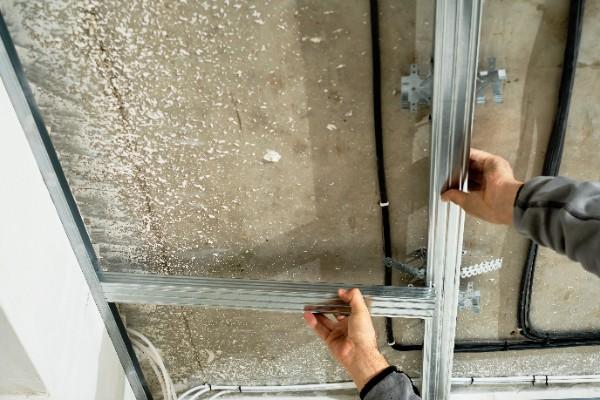
The UK building thermal insulation industry is experiencing sustained growth as energy efficiency, carbon reduction, and sustainable construction become central priorities across the built environment. The industry was valued at approximately USD 4.82 billion and is projected to expand at a 5.6% CAGR, supported by stricter building regulations and increasing renovation activities. Initiatives such as Whole House Retrofit programs and the adoption of high-performance insulation materials are encouraging demand across residential and commercial sectors. Growing awareness regarding energy conservation and lower heating costs continues to strengthen investment in advanced thermal insulation solutions.
Market Drivers Advancing UK Building Thermal Insulation Growth
Decarbonization Goals Accelerating Demand
The UK’s commitment to achieving net-zero emissions is significantly influencing the adoption of thermal insulation products. Property developers, housing associations, and commercial builders are increasingly integrating advanced insulation systems to improve energy performance and reduce carbon footprints. Demand for high-R-value materials such as mineral wool, glass wool, and rigid foam insulation continues to rise as buildings seek higher efficiency standards.
Residential Retrofit Activities Expanding Growth
A major driver of industry growth is the increasing focus on retrofitting older buildings. Many existing residential properties have inefficient thermal performance, creating opportunities for insulation upgrades. Whole House Retrofit initiatives encourage homeowners and landlords to improve wall, roof, and floor insulation, helping reduce energy consumption while supporting long-term sustainability objectives.
Sustainable Materials and Circular Manufacturing
Manufacturers are increasingly incorporating recycled materials into insulation production. The use of recycled glass cullet and low-carbon manufacturing techniques is gaining momentum as companies align with environmental targets. Growing demand for non-combustible insulation solutions is also supporting innovation across the sector, particularly in multi-story residential and commercial developments.
Government Initiatives Supporting UK Building Thermal Insulation Sector
Government policies focused on energy efficiency continue to support industry expansion. The Future Homes Standard, enhanced building envelope inspections, and national decarbonization programs encourage widespread adoption of high-performance insulation materials. Various retrofit and energy-saving initiatives also promote upgrades in existing buildings, helping property owners improve energy efficiency while reducing carbon emissions and long-term utility costs.
Competitive Landscape of UK Building Thermal Insulation Industry
The industry features the presence of established international and regional manufacturers competing through product innovation, sustainability initiatives, and distribution capabilities. Major participants include Saint-Gobain Weber, Kingspan, ROCKWOOL, Knauf Insulation, and Owens Corning. Companies are focusing on recycled-content insulation products, improved fire resistance, and energy-efficient solutions to strengthen their market positions and address evolving construction requirements.
Challenges Impacting UK Building Thermal Insulation Industry
High Installation and Compliance Costs
The adoption of advanced insulation systems often requires significant upfront investment. Compliance with evolving building regulations and performance standards can increase project costs for developers and property owners.
Supply Chain and Material Availability
Volatility in raw material prices and supply chain disruptions may affect production costs and project timelines. Manufacturers must balance sustainability goals with consistent material availability and profitability.
Future Outlook
The future of the UK building thermal insulation industry remains promising as stricter energy-efficiency requirements and sustainability commitments continue to reshape the construction sector. Growing investments in retrofit projects, green buildings, and low-carbon construction materials are expected to strengthen demand. Technological advancements in insulation performance, circular manufacturing practices, and fire-safe products will further enhance growth opportunities. Businesses that prioritize innovation, regulatory compliance, and sustainable product development are likely to gain a competitive advantage across the evolving industry landscape.
Consultants at Nexdigm, in their latest publication “UK Building Thermal Insulation Market Outlook to 2035 ,” analyze the sector By (Primary Industry Expert Interviews, Building Code Analysis Review, Top-down Macroeconomic Sizing, Bottom-up Construction Project Tracking, Supply Side Manufacturer Audits,).
Nexdigm suggests that businesses in the UK Building Thermal Insulation Industry focus on energy-efficient building solutions, retrofit opportunities, and sustainable insulation materials. Growing adoption of Future Homes Standard requirements and decarbonization initiatives is creating strong potential for innovation, compliance-led growth, and long-term industry expansion.
To take the next step, simply visit our Request a Consultation page and share your requirements with us.
Harsh Mittal
+91-8422857704