
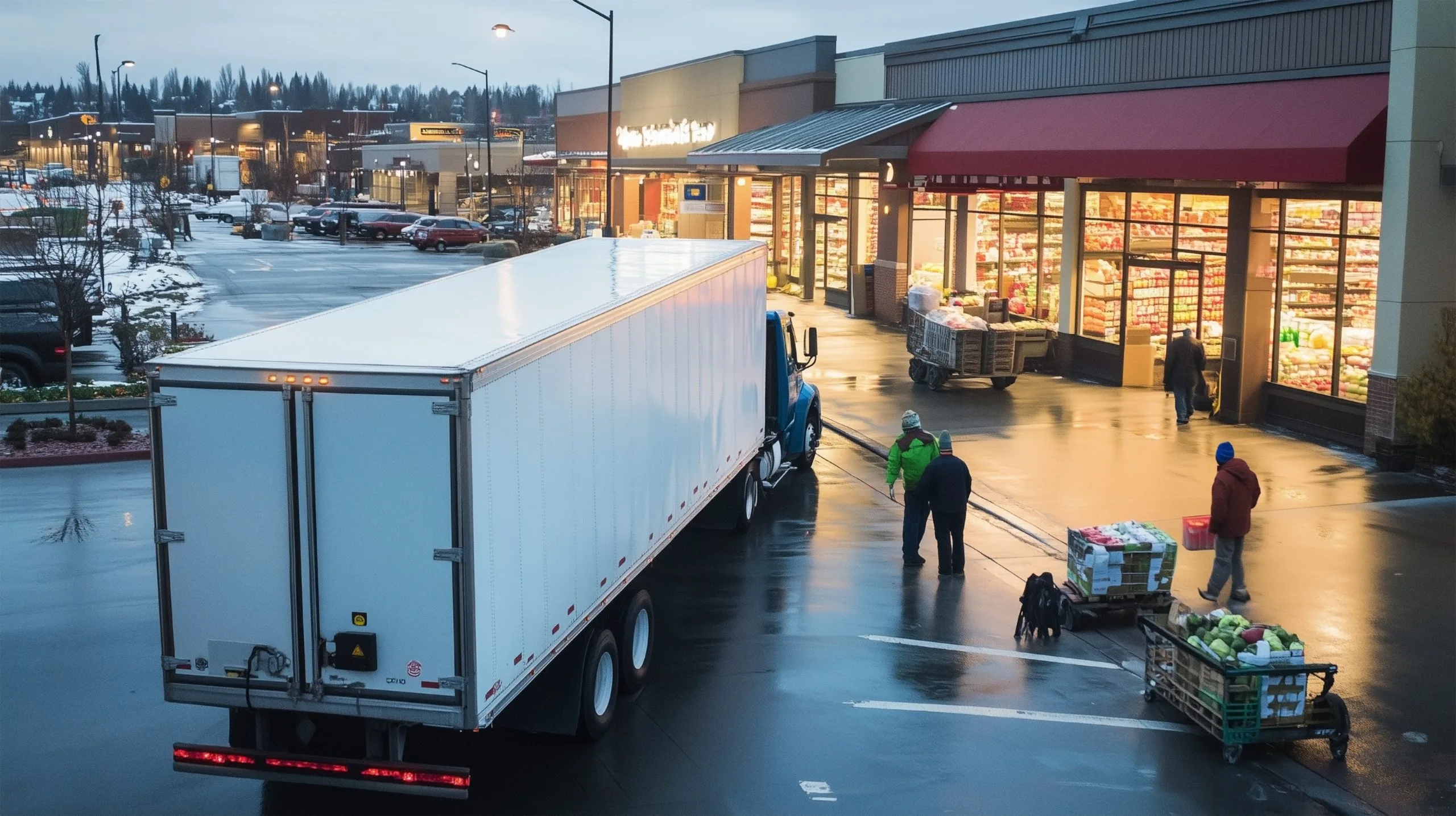
The UK cold chain logistics market has become an essential part of the country’s supply chain, ensuring that temperature-sensitive products, from food to pharmaceuticals, reach their destinations safely. As consumer preferences for fresh and frozen products grow, this market is experiencing significant expansion. With advances in technology, real-time monitoring, and regulatory demands, the cold chain sector is evolving quickly. Looking ahead to the coming years, these factors will drive the market to new heights, transforming how perishable goods are handled and delivered.
Key Drivers Behind the Growth of the UK Cold Chain Logistics Market
Increased Demand for Fresh, Frozen, and Perishable Goods
The rise in consumer demand for fresh, frozen, and ready-to-eat products is one of the primary drivers of the UK cold chain logistics market. Modern consumers are more health-conscious, seeking fresh, nutritious foods. As online grocery shopping grows, retailers and suppliers are heavily investing in cold chain solutions to ensure product integrity and minimize spoilage. The ability to efficiently handle and deliver perishable items will continue to fuel market expansion, making cold chain logistics a pivotal part of the retail ecosystem.
The Booming Pharmaceutical and Healthcare Industry
The pharmaceutical industry is another key factor propelling cold chain logistics in the UK. With the increasing need for temperature-controlled transportation of vaccines, biologics, and specialty drugs, stringent compliance standards are paramount. Technologies such as IoT sensors and blockchain are helping improve transparency and compliance, allowing real-time temperature monitoring and reducing the risks associated with product degradation. As the market for biologics and specialized medications grows, these technologies are critical for ensuring safety and reliability in healthcare logistics.
Technological Advancements Driving Operational Efficiency
Technology is revolutionizing the cold chain sector, from automation and robotics to real-time tracking systems. The integration of Internet of Things (IoT) devices, artificial intelligence (AI), and blockchain is improving efficiency, reducing waste, and increasing transparency throughout the supply chain. These technologies allow operators to monitor conditions in real-time, optimize routes, and manage inventory more effectively. As e-commerce grows, especially in sectors like online groceries and meal kits, digital solutions are becoming essential for improving cold chain operations.
UK Government Support and Key Initiatives for the Cold Chain Sector
The UK government has been supportive of the cold chain logistics industry through initiatives that encourage infrastructure development, technology adoption, and regulatory compliance. Programs focusing on reducing carbon emissions in transport and improving energy efficiency in cold storage facilities are helping the industry move toward sustainability. Additionally, the UK’s export regulations and food safety standards ensure the integrity of perishable goods throughout the supply chain, fostering a more secure and efficient market environment. These initiatives are laying the groundwork for a robust cold chain sector well into the future.
Competitive Landscape of the UK Cold Chain Market
The competitive landscape of the UK cold chain logistics market is diverse, with several players offering specialized solutions tailored to different sectors, including food, pharmaceuticals, and e-commerce. Major players are focusing on expanding their fleet capacities, enhancing technology, and broadening their geographical reach. Partnerships, mergers, and acquisitions are common strategies for scaling operations, especially as the demand for temperature-controlled services increases. Additionally, players are differentiating themselves by offering sustainable and energy-efficient solutions to meet the growing demand for eco-conscious logistics.
Market Challenges faced in the UK cold Chain Industry
High Operational Costs and Infrastructure Maintenance
Cold chain logistics requires significant capital investment, particularly in energy-efficient infrastructure and refrigerated storage. The high costs of maintaining fleets with temperature control and managing energy use effectively can limit profitability for many companies. With rising energy prices and the need for constant technological upgrades, operational costs remain a key challenge in maintaining a sustainable cold chain system.
Navigating Complex Regulatory Requirements
Cold chain logistics must comply with strict regulations to maintain product quality and safety. These regulations vary by industry, with the food and pharmaceutical sectors having particularly stringent standards. As regulations evolve, companies must continuously update their processes, making it more difficult to keep up with compliance and manage the costs associated with certification and audits.
Future Outlook
Looking ahead, the UK cold chain logistics market is expected to see continued growth, with projected market expansions driven by technological advancements, increasing demand for temperature-sensitive goods, and government support. Over the next decade, the sector will likely become more digitized, with increased automation, real-time tracking, and AI optimization tools making operations smoother and more cost-effective. Sustainability will be a key factor, as eco-friendly solutions become more integrated into logistics systems. As market demand grows, players that can innovate and scale quickly will be in the best position to capture new opportunities.
Consultants at Nexdigm, in their latest publication UK Cold Chain Logistics Market Outlook to 2035, analyze the sector by System Type (Cold Storage Warehousing, Refrigerated Transportation, Blast Freezing and Quick-Freezing System, Inventory Monitoring and Tracking System), by Platform Type (Road based Cold chain logistics, Rail based Cold Chain logistics, Air and Cargo based Logistics).
Nexdigm suggests that businesses should take an agile approach in adapting to the evolving cold chain logistics market by investing in advanced technologies, such as real-time tracking and temperature monitoring systems. By prioritizing efficiency and flexibility, businesses can respond swiftly to changing market demands, regulatory requirements, and consumer expectations.
To take the next step, simply visit our Request a Consultation page and share your requirements with us.
Harsh Mittal
+91-8422857704