
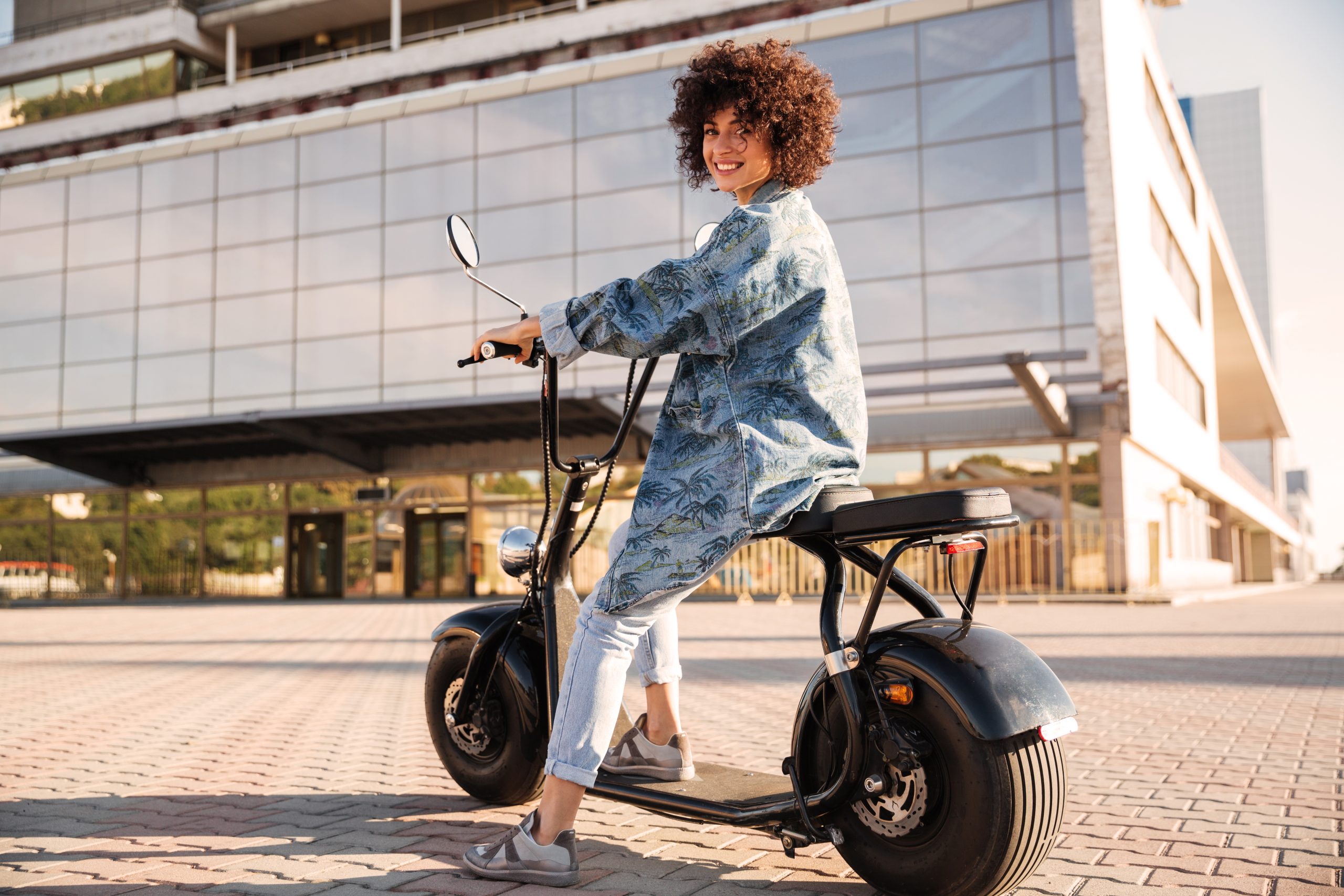
The UK electric two-wheeler battery market is gradually expanding as consumers and businesses shift towards cleaner and more cost-effective mobility solutions. Growing adoption of electric bicycles, scooters and motorcycles is creating demand for reliable, lightweight and long-lasting battery systems. Lithium-ion technology remains central to this transition due to its energy density, charging efficiency and performance. UK e-bike sales reached an estimated £325 million in 2023, compared with £96 million in 2018, highlighting the sector’s growth potential.
Key Market Drivers Accelerating the UK Electric Two-Wheeler Battery Market
Rising Adoption of Electric Bicycles and Sustainable Commuting
Increasing interest in affordable and environmentally friendly transportation is supporting electric bicycle adoption across the UK. E-bikes are becoming popular among urban commuters, recreational riders and delivery operators seeking convenient alternatives to conventional transport. This shift is directly increasing demand for rechargeable batteries offering longer riding ranges, faster charging and improved durability. According to YouGov’s August 2025 survey, 4% of UK adults currently use an e-bike, while another 11% have tried one.
Technological Advancements in Lithium-Ion Batteries
Continuous improvements in lithium-ion battery technology are creating new opportunities for manufacturers and suppliers. Consumers increasingly expect batteries that are compact, lightweight, quick to charge and capable of delivering consistent performance. Battery management systems, thermal protection, improved cell chemistry and smart monitoring features are becoming important product differentiators. Manufacturers are also focusing on extending battery life and improving safety standards. These developments are encouraging innovation in battery packs designed for electric bicycles, scooters and motorcycles.
Growing Demand for Electric Motorcycles and Delivery Fleets
The expansion of urban delivery services and growing interest in electric motorcycles are supporting demand beyond the conventional e-bike segment. Fleet operators are considering electric two-wheelers to manage fuel expenses and reduce operating emissions. In 2024, battery-electric motorcycles accounted for approximately 3,500 UK registrations, representing around 3.2% of motorcycle registrations.
Government Support and Safety Initiatives Strengthening Market Development
The UK government is increasingly focusing on battery safety, sustainable mobility and responsible product manufacturing. The Office for Product Safety and Standards (OPSS) introduced statutory guidelines in December 2024 for lithium-ion batteries used in e-bikes, addressing thermal runaway and fire risks. Additionally, the government revoked import tariffs on Chinese non-folding e-bikes in February 2025, potentially improving product affordability and market accessibility. These measures are expected to support consumer confidence, encourage safer battery technologies and strengthen market participation.
Competitive Landscape of the UK Electric Two-Wheeler Battery Market
The UK electric two-wheeler battery market comprises international battery manufacturers, electric bicycle component suppliers and specialised battery-pack developers. Companies such as Bosch, Shimano, Panasonic, Samsung SDI and LG Energy Solution participate in the broader battery and e-mobility ecosystem. Competition is primarily driven by battery performance, energy density, charging speed, safety certifications and product lifespan. Manufacturers are also investing in advanced battery management systems and improved thermal protection. Strategic partnerships with electric two-wheeler brands and distributors are becoming important for expanding market presence.
Market Challenges Restricting the UK Electric Two-Wheeler Battery Market Growth
Battery Safety Concerns and Regulatory Compliance
Battery safety remains a major challenge due to fire incidents involving low-quality lithium-ion batteries and incompatible chargers. UK authorities recorded 211 fires involving e-bikes and e-scooters in 2024, resulting in eight fatalities. These incidents are increasing scrutiny of battery manufacturing, testing and distribution practices.
High Battery Costs and Limited Consumer Adoption
The relatively high purchase price of electric two-wheelers can discourage price-sensitive consumers. Battery replacement expenses and concerns about charging convenience also influence purchasing decisions. Manufacturers must balance affordability, performance and safety to encourage wider adoption.
Future Outlook
The UK electric two-wheeler battery market is expected to experience further development through 2035, supported by sustainable mobility trends, battery innovation and increasing demand for electric bicycles and motorcycles. Lithium-ion batteries will likely remain dominant, while improvements in solid-state technology, battery management systems and fast-charging solutions could create new growth opportunities. Greater attention to battery safety, recycling and second-life applications will also influence industry strategies. Companies focusing on affordable, high-performance and safety-compliant battery solutions are likely to strengthen their competitive positions as the UK moves towards a more sustainable transportation ecosystem.
Consultants at Nexdigm, in their latest publication “UK electric traction motors market outlook to 2035” analyze the sector By Motor Technology (Heavy Rare Earth- free Ferrit Motors, Neodymium-Iron Boron Sintered Motors, Surface-Mounted Magnet Topologies), By Induction Motors (Copper Rotor Bar Technologies, Cast Aluminum Rotor Cage Systems)
Nexdigm suggests that businesses should prioritise battery innovation, safety compliance, cost optimisation and strategic partnerships with electric two-wheeler manufacturers to capture emerging opportunities in the UK market.
To take the next step, simply visit our Request a Consultation page and share your requirements with us.
Harsh Mittal
+91-8422857704