
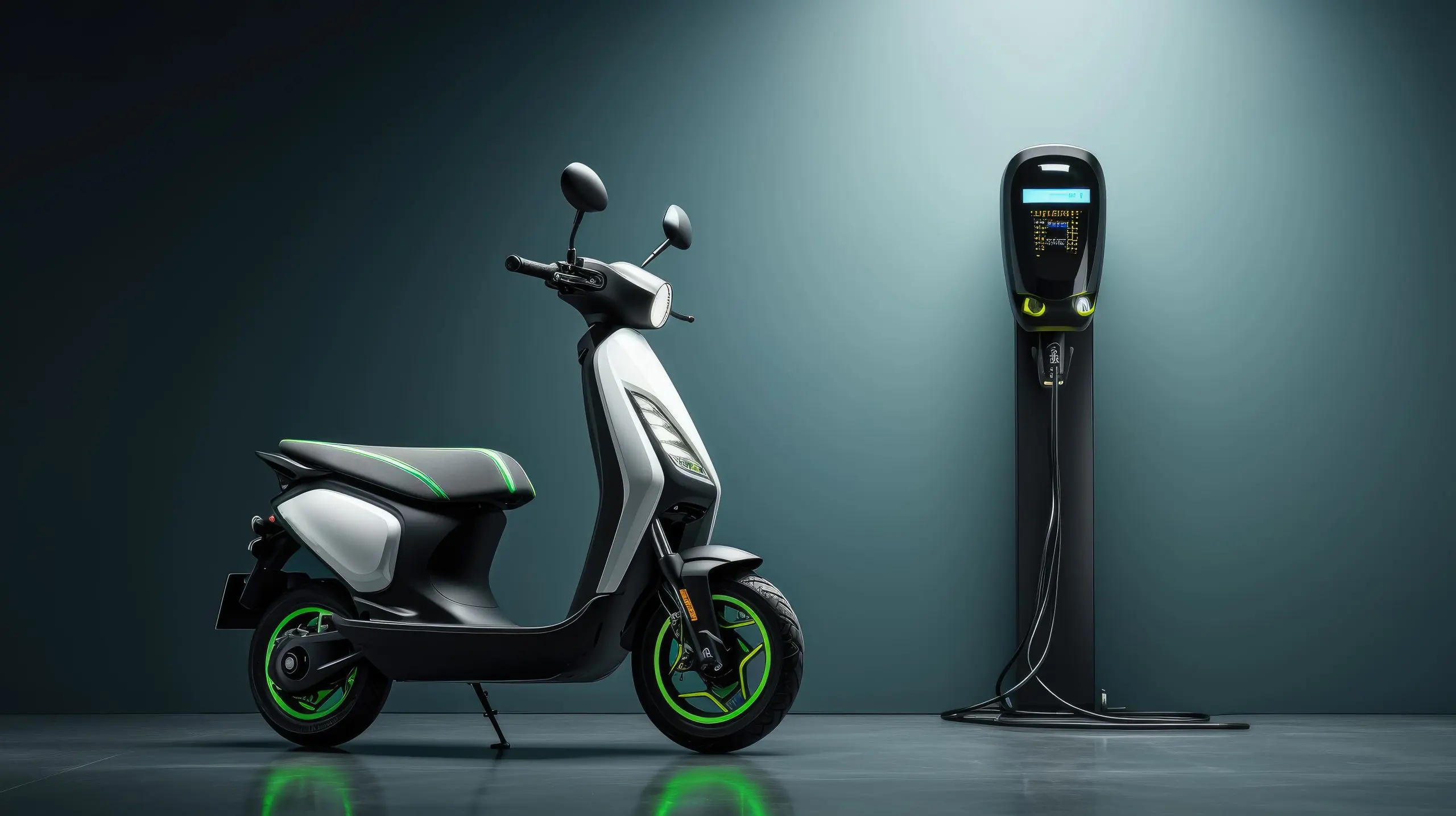
The UK electric two-wheeler market has started to find its footing, though it has taken longer than some European peers. The push toward cleaner transport is no longer just policy language. In cities like London, commuters are actively reconsidering how they move through crowded streets. Electric scooters, bikes, and light motorcycles are gradually becoming part of daily travel rather than novelty options. By 2025, the UK’s broader decarbonization agenda has begun to influence even smaller vehicle segments. While electric cars dominate investment and headlines, two-wheelers are quietly solving very practical problems. They take up less space, cost less to run, and fit neatly into short-distance travel patterns. The market still feels early-stage, but the direction is becoming clearer.
What’s Driving the Electric Two-Wheeler Market in the UK?
Urban Congestion and Practical Commuting Alternatives
Anyone who has spent time in central London during peak hours understands the appeal of smaller vehicles. Traffic bottlenecks, expensive parking, and congestion charges are pushing people toward alternatives that feel quicker and less frustrating. Electric bikes and scooters often cut travel time in half for short trips. On the ground, many commuters are not making a full switch away from cars. Instead, they are mixing modes, using trains for longer distances and e-bikes for the last stretch. This hybrid behavior is quietly expanding the market without dramatic shifts in consumer identity.
E-Commerce and Delivery Fleet Adoption
The delivery segment tells a slightly different story. Here, adoption is less about lifestyle and more about economics. Food delivery riders and courier services are under pressure to reduce fuel costs while meeting sustainability targets set by partners and city authorities. Electric scooters and mopeds fit well into this equation. In practice, fleet operators are testing different models rather than committing to a single solution. Battery swapping, leasing, and pay-per-use models are being trialed. Some work well in dense areas, others struggle outside city centers. Still, the direction is clear: petrol-based delivery vehicles are gradually being phased out.
Advances in Battery Performance and Smart Features
Technology has played a quiet but important role. Early concerns around range and charging time have not disappeared, but they are less dominant than before. Newer lithium-ion batteries offer more reliable performance for daily commuting needs. At the same time, features like app-based tracking and remote diagnostics are appealing to fleet managers and individual users alike. These are not headline-grabbing innovations, but they make ownership simpler. For many buyers, convenience matters more than cutting-edge specs.
Government-Led Initiatives Supporting Adoption
Public policy has nudged the market forward, though not always smoothly. Grants for electric motorcycles and e-bikes have helped reduce upfront costs, especially for first-time buyers. Local councils have also experimented with shared e-scooter programs, giving people a low-risk way to try the technology. That said, regulation has not always kept pace. Trial schemes for e-scooters have been extended multiple times, leaving some uncertainty around long-term rules. Even so, the broader direction remains supportive. Clean air zones and restrictions on petrol vehicles continue to push users toward electric alternatives, whether they planned for it or not.
Market Competition and Ecosystem Development
The competitive landscape feels somewhat fragmented. A mix of global brands, newer entrants, and local distributors are all trying to carve out space. Some focus on affordable models for delivery riders, while others target premium urban commuters. Interestingly, ownership models are starting to shift. Subscription-based access and short-term leasing are gaining attention, particularly among younger users who are less interested in long-term commitments. At the same time, shared mobility platforms are introducing thousands of users to electric two-wheelers without requiring them to buy one. This indirect exposure could prove more valuable than traditional marketing.
Regulatory Uncertainty Around E-Scooters
One issue continues to hold the market back: unclear regulations around private e-scooter use. While trial programs exist, private ownership rules remain restrictive. This creates confusion for consumers and limits retail demand. A common challenge is that potential buyers hesitate to invest in a product they may not legally use everywhere. Until clearer guidelines are established, this segment will likely grow slower than its potential suggests.
Future Outlook
Looking ahead, the market will likely expand in steady, uneven steps rather than dramatic leaps. Electric two-wheelers are unlikely to replace cars, but that was never the real opportunity. Their strength lies in short-distance travel and dense urban logistics. By 2035, these vehicles could become a normal part of city transport, particularly for commuting under 10 kilometers and delivery operations. Improvements in charging access and battery efficiency will help, but user habits will matter just as much.
Consultants at Nexdigm, in their latest publication “UK Electric Two-Wheeler Market Outlook to 2035,” highlight that businesses should focus on fleet partnerships, battery innovation, and flexible ownership models such as leasing and subscriptions. Companies that align with urban mobility trends and sustainability goals are expected to gain a competitive edge in this evolving market landscape.
To take the next step, simply visit our Request a Consultation page and share your requirements with us.
Harsh Mittal
+91-8422857704