
The UK electric vehicle market is entering a decisive growth phase as consumers, fleets, automakers, and charging providers prepare for a cleaner transport future. The market was valued at USD 57.13 billion earlier and is projected to reach USD 143.37 billion, growing at a 20.21% CAGR. In the coming years, EVs are expected to become a central part of the UK’s mobility landscape. For drivers, this shift means more model choices, better charging access, and lower-emission travel. For businesses, it creates opportunities across vehicles, batteries, software, charging infrastructure, and fleet services. As the market matures, the focus will move from simply encouraging EV adoption to making electric mobility convenient, affordable, and reliable for everyday users.
Growth Factors of the UK Electric Vehicle Market
Passenger EV Adoption Is Gaining Strong Momentum
Passenger cars remain the biggest growth engine for the UK EV market. The UK recorded 473,348 new battery-electric car registrations, giving BEVs a 23.4% share of the new-car market. This shows that electric vehicles are no longer a niche choice. More buyers are considering EVs because of lower running costs, improved driving range, wider vehicle availability, and growing environmental awareness. As more affordable models enter the market, EV adoption is likely to move beyond early adopters and fleet buyers into the wider consumer base. For many households, the decision to switch will depend on whether EVs can offer the right mix of price, range, charging convenience, and long-term savings.
Fleet Electrification Is Creating Large-Scale Demand
Fleet operators are playing a major role in accelerating EV adoption. Company cars, leasing fleets, delivery vehicles, ride-hailing platforms, and public-sector fleets are shifting toward electric models to reduce emissions and manage operating costs. Fleet buyers often make decisions based on total cost of ownership, tax benefits, sustainability targets, and long-term vehicle utilization. This makes EVs attractive for businesses that can plan charging, mileage, and replacement cycles more efficiently. As corporate sustainability reporting becomes more important, fleet electrification will remain a major market driver. Businesses are also helping build confidence in EV technology by putting more electric cars and vans on UK roads.
Charging Infrastructure Is Becoming a Market Enabler
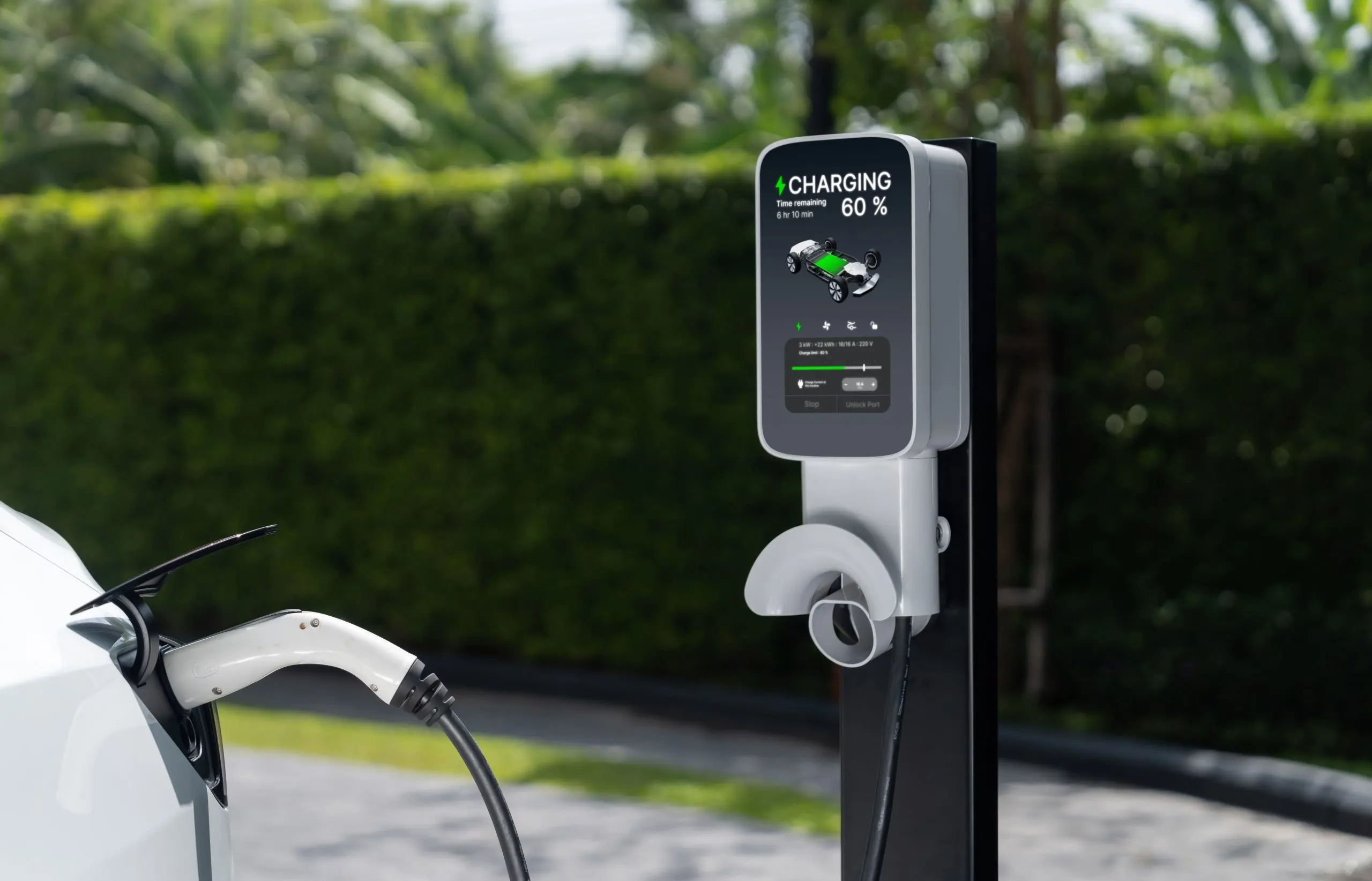
Charging availability is one of the most important factors influencing EV confidence. Currently, the UK has 116,052 EV chargers and 87,796 charging devices, according to government statistics. This growing network is making EV ownership more practical for drivers who cannot rely only on home charging. Public, workplace, destination, and rapid-charging networks are all becoming more important. A stronger charging ecosystem will help reduce range anxiety and support longer-distance EV travel across the UK. For drivers, the charging experience needs to become simple, predictable, and familiar as refuelling a petrol or diesel vehicle.
UK Government Policy Supporting the EV Market Transition
Government policy remains central to the UK’s EV transition. The Zero Emission Vehicle mandate was introduced earlier to give manufacturers clearer targets and support a wider range of EV options for consumers. The mandate requires an increasing share of new cars and vans to be zero-emission over time, with the trajectory moving toward 80% of new car sales being zero-emission in the coming years. This policy direction gives automakers, fleet operators, and charging providers a clearer basis for long-term investment. It also sends a strong signal that the UK market is moving steadily toward cleaner transport. Continued policy clarity will be important for keeping businesses and consumers confident during the transition.
Competitive Insights of the UK EV Ecosystem
The UK EV market includes global automakers, domestic vehicle manufacturers, battery suppliers, charging operators, leasing companies, energy firms, software providers, and fleet management companies. Competition is increasing as more brands launch electric cars, vans, and commercial vehicles. Companies compete on range, price, charging speed, battery warranty, vehicle design, software features, and after-sales service. Charging providers are also competing on location coverage, reliability, payment convenience, and rapid-charging availability. Over time, the strongest players will be those that offer a complete EV ownership experience, not just a vehicle or charger. Partnerships between automakers, energy companies, charging networks, and fleet operators will become more important as the market grows.
Challenges Slowing Down EV Adoption in the UK
Affordability Remains a Major Concern for Buyers
EV adoption is growing, but affordability remains a concern for many households. Electric vehicles can still carry higher upfront prices than comparable petrol or diesel cars, especially in the new-car market. This makes financing, leasing, used-EV availability, and incentives important for wider adoption. If consumers feel uncertain about monthly payments, resale values, or battery replacement costs, they may delay switching to electric. Making EVs affordable for mainstream buyers will be critical for the next phase of growth. The used-EV market will also play an important role in helping more households access electric mobility at lower price points.
Charging Access and Reliability Need Further Improvement
Although the UK charging network is expanding, drivers still need greater confidence in charger availability, reliability, and ease of payment. Public charging gaps can be more challenging for renters, apartment residents, and drivers in rural or less densely served areas. Charger downtime, queuing, inconsistent pricing, and uneven regional coverage can affect the user experience. To support mass adoption, charging must feel simple, dependable, and accessible. Better grid planning, faster charger deployment, and improved maintenance will be essential. Without a smooth charging experience, some potential buyers may remain hesitant even if EV models become more affordable.
Future Outlook
The UK electric vehicle market is expected to be larger, more competitive, and more deeply connected to the country’s clean mobility goals. With the market projected to reach heights, the sector has a strong foundation for long-term expansion. Future growth will likely come from passenger cars, electric vans, fleet electrification, public charging, battery innovation, and connected mobility services. As EVs become more affordable and charging networks mature, electric mobility will become a normal part of everyday transport. Businesses that invest early in infrastructure, partnerships, customer experience, and reliable technology will be better positioned in the coming years. The market’s next phase will be shaped by trust, affordability, and how easily EVs fit into daily life.
Consultants at Nexdigm, in their latest publication UK Electric Vehicle Market Outlook to 2035, analyze the market by System Type (Battery Electric Vehicle, Plug in Hybrid Type Vehicle, Hybrid Electric Vehicle, Electric Two Wheelers), by Fitment Type (On premise Solutions, Hybrid Solutions, Modular Solutions, Integrated Solutions).
Nexdigm believes that businesses in the UK must prioritize innovation, sustainability, and technology integration to stay ahead in the rapidly evolving market. By embracing electric mobility and adopting cutting-edge solutions like Battery Management Systems (BMS) for electric vehicles, companies can improve operational efficiency and contribute to the country’s sustainable growth.
To take the next step, simply visit our Request a Consultation page and share your requirements with us.
Harsh Mittal
+91-8422857704