
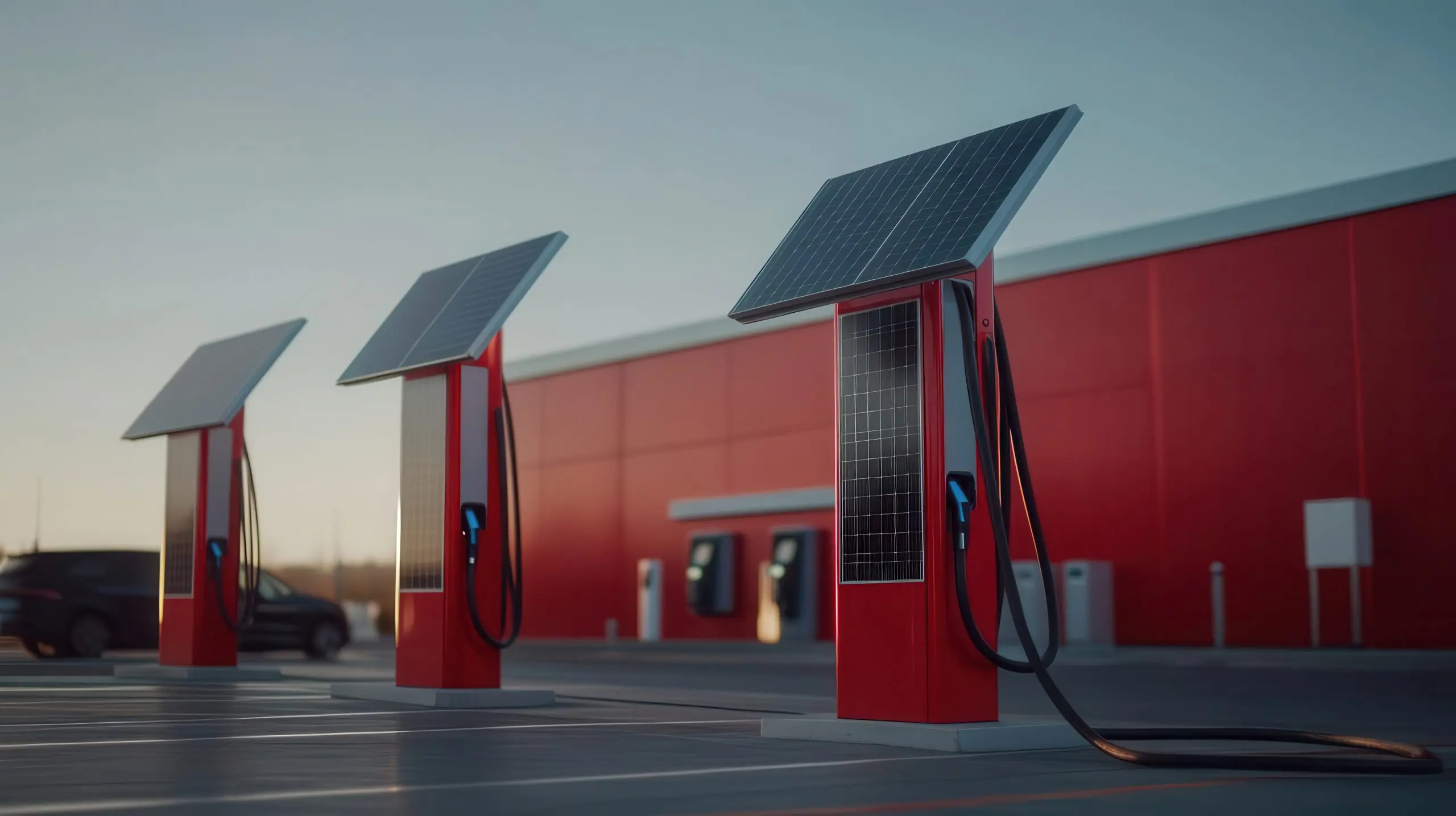
The UK EV battery market is moving from early-stage scale-up to a strategically important industrial sector. Demand is being driven by rising electric vehicle adoption, net-zero policy, fleet electrification, and the need for domestic battery supply. In the previous year, battery electric vehicles accounted for 23.4% of UK new car registrations, with around 473,000–477,000 electric cars sold, although uptake remained below policy targets. In the coming years, battery demand is expected to expand materially as passenger cars, vans, buses, trucks and energy storage applications grow.
Major Growth Drivers for the UK EV Battery Market
Rising EV adoption and battery demand
The main growth engine is the shift from internal combustion vehicles to battery electric vehicles. UKRI’s sector-wide battery demand projections estimate light-duty automotive battery demand at about 77 GWh in the coming years, showing a clear long-term expansion path. This demand will be supported by higher EV penetration, larger average battery packs, and electrification beyond passenger cars. Commercial vehicles, buses and heavy-duty transport are also expected to add incremental demand, with UKRI projecting heavy-duty automotive battery demand to rise from 3.2 GWh to 6.0 GWh in the coming years.
Localization of battery supply chains
Automakers are under pressure to source batteries closer to vehicle production sites to reduce logistics costs, manage geopolitical risk, and comply with regional content requirements. Parliamentary evidence has suggested that the UK automotive industry may need around 90 GWh of battery manufacturing capacity to supply EV production. This creates opportunities across cathode and anode materials, cell manufacturing, module assembly, battery management systems, recycling and second-life applications.
Technology development and cost reduction
Lithium-ion batteries currently dominate EV applications, but the market is also being shaped by improvements in energy density, charging speed, safety, and lifecycle performance. Research into solid-state batteries, sodium-ion batteries and advanced battery recycling could improve the UK’s competitiveness. Globally, the IEA expects EV battery demand to rise from about 1 TWh in last year to more than 3 TWh by the next decade, creating a large addressable market for UK-based technology and manufacturing firms.
Government Policies and Funding Supporting UK EV Battery Growth
The UK Battery Strategy sets out a goal for the country to build a globally competitive battery supply chain by the next decade. Government support includes more than £2 billion in new capital and R&D funding for zero-emission vehicles, batteries and related supply chains over five years, alongside additional investment in the UK Battery Industrialization Centre. The Faraday Battery Challenge has also supported battery research and innovation, with an overall programmer budget of £610 million.
Competitive Landscape of the UK EV Battery Market
The UK market includes automakers, cell manufacturers, materials companies, recyclers, research institutions, and battery-system specialists. Competition is intensifying as global battery leaders, European manufacturers and Asian suppliers seek positions in the UK and wider European EV supply chain. Domestic competitiveness will depend on whether the UK can attract gigafactory investment, secure raw materials, scale manufacturing talent and commercialize research from institutions such as the Faraday ecosystem and UK Battery Industrialization Centre.
Key Challenges Facing the UK EV Battery Market
Scaling manufacturing capacity
The largest challenge is the gap between projected demand and committed domestic manufacturing capacity. Battery plants require high capital expenditure, long equipment lead times, and stable offtake agreements with vehicle manufacturers. The UK Battery Strategy notes industry-reported lead times of around 12–24 months, with some electrode coating and high-volume cell assembly equipment exceeding 24–30 months.
EV affordability and infrastructure
EV uptake is growing, but it remains sensitive to vehicle prices, charging access, grid readiness, and consumer confidence. SMMT reported that last year’s BEV share was below the 28% ZEV mandate requirement, underlining the risk that battery demand may grow unevenly if consumer and fleet adoption slows.
Future Outlook
The UK EV battery market is likely to be substantially larger, more localized, and more technologically diverse. Demand should be anchored by passenger EVs, but growth will increasingly come from vans, buses, trucks, grid storage and recycling. The strongest opportunities will be in high-value parts of the battery chain: advanced materials, cell engineering, battery management software, recycling and industrial-scale testing. However, the market’s success will depend on timely gigafactory deployment, competitive energy costs, raw material access, and consistent policy support. If these conditions hold, the UK could become a meaningful European battery hub by 2035.
Consultants at Nexdigm, in their latest publication “UK EV Battery Market Outlook to 2035,” analyze the sector by System Type (Lithium Iron Phosphate Battery Systems, Nickel Manganese Cobalt Battery Systems, Nickel Cobalt Aluminum Battery Systems, Solid State Battery Systems), By Platform Type (Passenger Electric Vehicles, Electric Commercial Vans, Electric Buses), and By Fitment Type (OEM Installed Battery Systems, Aftermarket Replacement Batteries, Battery Swapping Modules).
Nexdigm suggests that businesses should prioritize localized battery supply chains, invest in scalable manufacturing and recycling partnerships, and align their product and investment strategies with the UK’s evolving EV policies, charging infrastructure expansion, and rising demand for advanced battery technologies. Companies that build circular economy solutions will be better positioned to capture long-term growth in the evolving UK EV battery market.
To take the next step, simply visit our Request a Consultation page and share your requirements with us.
Harsh Mittal
+91-8422857704