
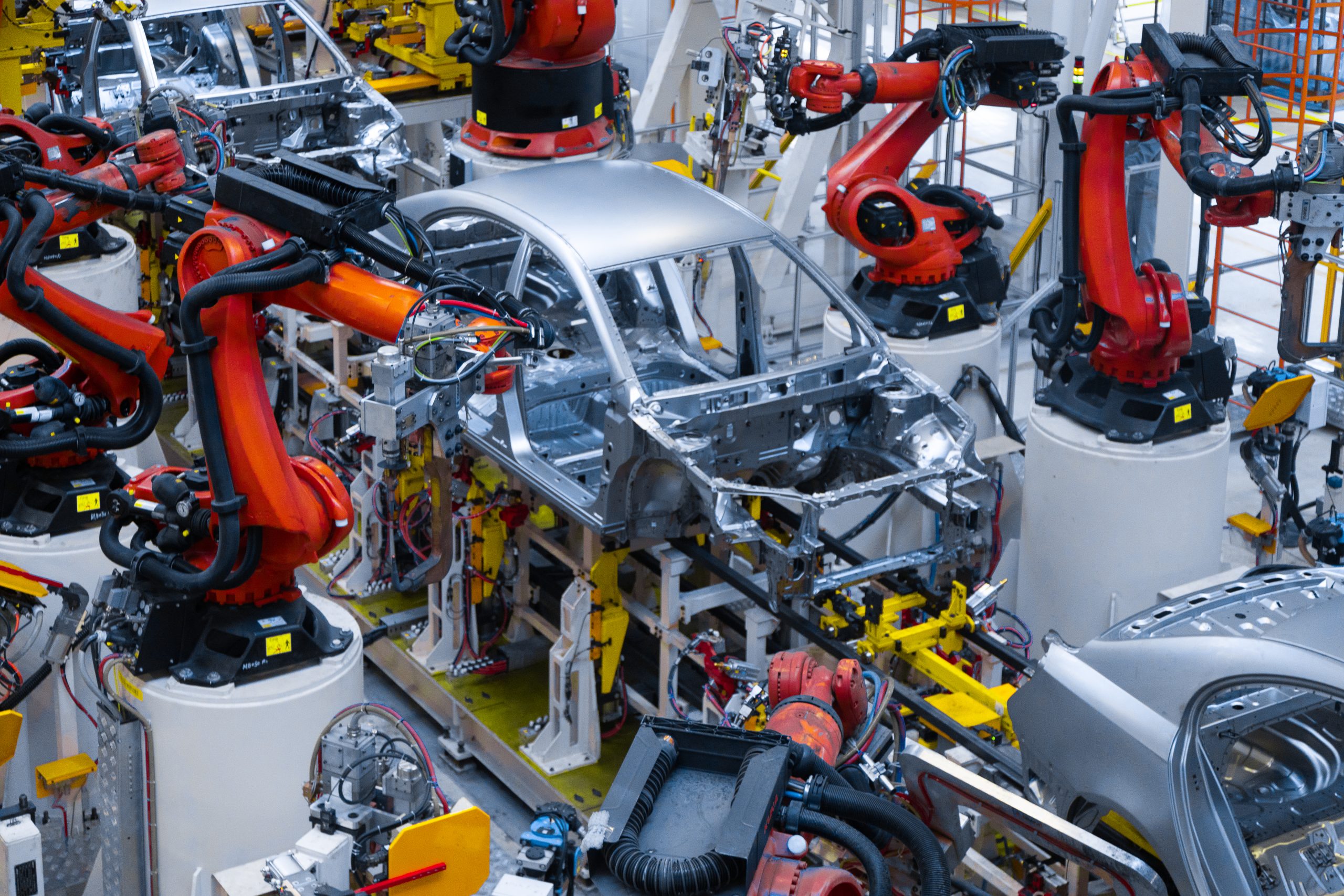
The UK industrial electric motors market is poised for steady growth through 2035, driven by increasing industrial automation, energy-efficiency requirements, and the transition towards low-carbon manufacturing. Electric motors are essential components across industries such as automotive, food processing, chemicals, oil and gas, power generation, and manufacturing. Growing investments in smart factories, electrification, and industrial infrastructure are creating new opportunities for motor manufacturers. Additionally, the replacement of ageing motor systems with high-efficiency alternatives is expected to support market expansion, making energy-efficient and technologically advanced motors increasingly important to UK industries.
Key Market Drivers for UK Industrial Electric Motors Market
Growing Demand for Energy-Efficient Motors
Rising industrial electricity costs and sustainability targets are encouraging UK manufacturers to replace conventional motors with high-efficiency alternatives. Industrial electric motors used in pumps, compressors, fans, and conveyors offer significant opportunities for energy savings through improved motor efficiency and variable speed control. According to UK government regulations, three-phase motors with outputs between 0.75 kW and 1,000 kW are generally required to meet at least the IE3 efficiency class. This regulatory environment is supporting demand for IE3, IE4, and emerging IE5 technologies.
Industrial Automation and Smart Manufacturing
The increasing adoption of robotics, automated production lines, and smart manufacturing technologies is creating additional demand for precision-engineered electric motors. Industries such as automotive, pharmaceuticals, food processing, and electronics are investing in advanced machinery to improve productivity, operational reliability, and product quality. Servo motors, synchronous motors, and integrated motor-drive systems are becoming increasingly important in automated industrial applications. Furthermore, the adoption of Industrial Internet of Things (IIoT) technologies is encouraging manufacturers to integrate intelligent motors with sensors, remote monitoring, and predictive maintenance capabilities.
Industrial Electrification and Infrastructure Modernization
The UK’s transition towards low-carbon industrial operations is creating opportunities for electric motor manufacturers. Investments in water infrastructure, renewable energy, manufacturing facilities, and industrial electrification are supporting demand for reliable motor systems. The UK industrial sector consumed approximately 19.5 million tonnes of oil equivalent of final energy in 2024, highlighting the importance of improving industrial energy performance. As businesses modernise ageing equipment and adopt more efficient production technologies, demand for advanced electric motors is expected to increase.
Government Supporting UK Industrial Electric Motors Market
The UK government is promoting industrial energy efficiency and decarbonization through policies such as the Industrial Decarbonization Strategy, which aims to reduce industrial emissions while maintaining manufacturing competitiveness. The strategy identifies energy-efficient equipment, industrial electrification, and improved energy management as important priorities. Additionally, the Ecodesign for Energy-Related Products Regulations 2021 establishes minimum efficiency requirements for electric motors and variable-speed drives. These measures encourage industrial businesses to invest in compliant, energy-efficient motor technologies and modernize existing equipment.
Competitive Landscape of UK Industrial Electric Motors Market
The UK industrial electric motors market features a combination of multinational manufacturers and established domestic suppliers. Major participants include ABB, Siemens, WEG, Nidec, and Brook Crompton. Competition is increasingly centered on motor efficiency, product reliability, technological innovation, pricing, and after-sales support. Manufacturers are also expanding their smart motor portfolios and integrated drive solutions to strengthen their market positions.
Market Challenges faced by UK Industrial Electric Motors Market
High Initial Investment Costs
Advanced IE4 and IE5 motors, servo systems, and integrated variable-speed drives often involve higher upfront investments than conventional alternatives. This can discourage small and medium-sized manufacturers from upgrading existing equipment, particularly when capital expenditure budgets are constrained.
Supply Chain and Raw Material Constraints
The availability and pricing of essential materials, including copper, electrical steel, and permanent magnets, can affect manufacturing costs and delivery schedules. Furthermore, dependence on international suppliers exposes the market to currency fluctuations, geopolitical uncertainties, and transportation disruptions.
Future Outlook
The UK industrial electric motors market is expected to witness sustained development through 2035, supported by industrial automation, equipment replacement, and growing demand for energy-efficient technologies. An industry estimate values the UK industrial motors market at approximately US$ ~ billion in 2025, with a projected CAGR of 5.6% between 2026 and 2031. While this forecast does not extend to 2035, it indicates positive near-term growth potential. Going forward, IE4 and IE5 motors, smart monitoring systems, predictive maintenance, and integrated motor-drive solutions are likely to gain traction. Manufacturers focusing on efficiency, innovation, and reliable service networks will be better positioned to capture emerging opportunities.
Consultants at Nexdigm, in their latest publication “UK Industrial Electric Motors Market Outlook to 2035,” analyze the sector By Motor Technology (AC Induction Motors, Permanent Magnet Synchronous Motor, Switched Reluctance Motors, DC Motors), By Efficiency Class (IE2 High Efficiency, IE3 Premium Efficiency, IE4 Super Premium), and By Cooling Method (Totally Enclosed Fan Cooled, Open Drip Proof, Liquid Cooled).
Nexdigm suggests that businesses should prioritise energy-efficient motor technologies, invest in industrial automation, strengthen supply chain resilience, and adopt smart motor solutions to remain competitive in the evolving UK industrial electric motors market.
To take the next step, simply visit our Request a Consultation page and share your requirements with us.
Harsh Mittal
+91-8422857704