
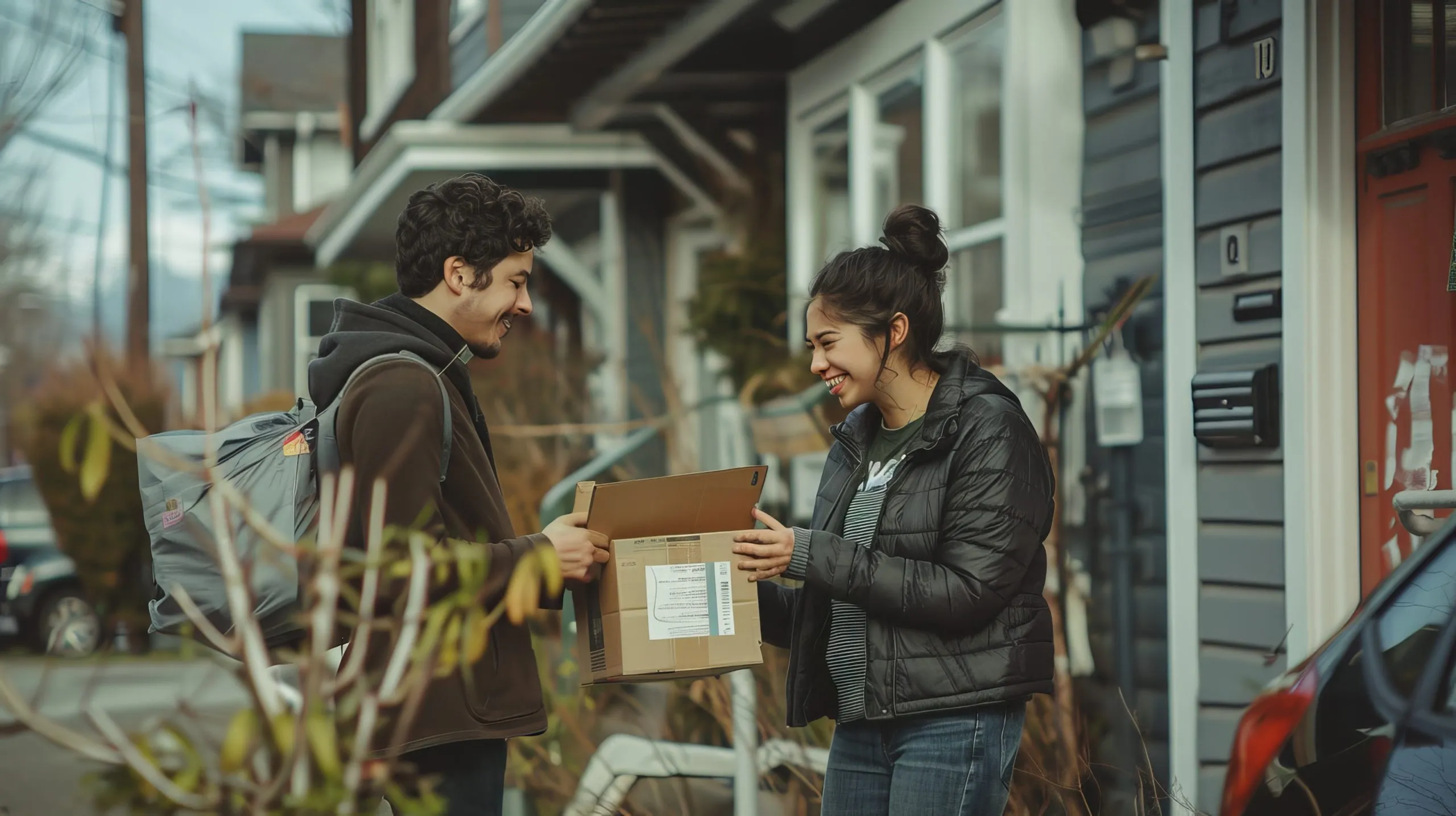
The UK last‑mile delivery market has emerged as a vital component of the country’s logistics sector, driven by the explosion of e‑commerce and changing consumer expectations. Earlier, the market was valued at around USD 6.3 billion, and it is expected to grow to USD 14.8 billion in the coming years, at a compound annual growth rate (CAGR) of approximately 8%. The demand for quicker and more efficient delivery solutions is reshaping the logistics landscape, with technological advancements and service innovations playing key roles in this transformation. As online shopping continues to rise, this sector’s evolution will be crucial in shaping consumer experiences.
Key Drivers of Growth in the UK Last‑Mile Delivery Market
E‑Commerce Boom and the Demand for Fast, Flexible Deliveries
E‑commerce has undoubtedly been the driving force behind the UK last‑mile delivery market’s rapid growth. With the increase in online shopping, consumers expect faster, more flexible delivery options, including same‑day and next‑day services. Retailers are responding by investing in logistics infrastructure to ensure that they can meet these heightened demands. According to a recent survey, over 50% of UK shoppers now expect their orders to arrive within 24 hours, further intensifying competition among delivery service providers. This surge in demand, particularly for goods like groceries and electronics, is transforming delivery models and shaping the future of the logistics sector.
Technology Integration: The Future of Efficient Deliveries
Advances in technology are accelerating improvements in last‑mile delivery. Tools like route optimization software, real-time tracking, and automated sorting systems have significantly increased operational efficiency, reducing delivery times and costs. The implementation of AI, IoT sensors, and data analytics has streamlined operations and enhanced delivery accuracy. Furthermore, these technologies help logistics providers improve inventory management, minimize delivery errors, and improve customer satisfaction rates. As these innovations continue to evolve, they’ll play a central role in shaping the industry’s future.
Urbanization and Changing Consumer Expectations
As more consumers shift to online shopping, especially in major cities, urbanization is driving the need for efficient last‑mile solutions. Cities like London, Birmingham, and Manchester face unique challenges when it comes to congestion and delivery speed. As a result, there has been a shift towards micro‑fulfilment centres, local distribution hubs, and innovative delivery solutions like locker boxes and drones. This evolution in consumer expectations for faster, more convenient deliveries is pushing the logistics industry to adopt creative solutions that meet these growing demands in urban environments.
Government Initiatives Driving UK Delivery Market Growth
The UK government has been instrumental in supporting the development of last‑mile delivery infrastructure. Policies promoting sustainability in logistics, including investment in electric vehicles and low‑emission delivery methods, are becoming a significant part of national transportation strategies. Additionally, the UK’s emphasis on improving urban mobility, reducing traffic congestion, and enhancing supply chain resilience plays a crucial role in fostering a more efficient and sustainable last‑mile delivery market. These initiatives ensure that the market stays on track to meet both consumer demand and environmental goals.
Competitive Insights of the UK Last Mile Delivery
The UK last‑mile delivery market is competitive, with a variety of players ranging from global carriers like DHL, UPS, and FedEx to local specialists such as DPD and Evri. Companies are increasingly focusing on expanding their delivery networks, adopting new technologies, and enhancing customer service to stay ahead. The market is becoming more fragmented as smaller, tech‑enabled players enter the space with innovative delivery methods such as parcel lockers, micro‑warehouses, and crowdsourced delivery models. As competition intensifies, maintaining operational efficiency and meeting customer demands for fast, flexible, and sustainable delivery solutions will be crucial for players in this space.
Challenges Facing the UK Last‑Mile Delivery Market
Rising Costs and Operational Efficiency
One of the biggest hurdles in last‑mile delivery is managing the rising operational costs. Fuel prices, labour shortages, and the capital required to invest in new technology and fleet upgrades are putting pressure on delivery companies. For many providers, these costs impact their ability to offer competitive pricing while maintaining high service levels. As the demand for faster delivery grows, so does the cost of handling it. In fact, recent reports show that 84% of businesses in the UK and Europe have seen an increase in last‑mile delivery costs, which highlights the pressure faced by logistics operators.
Sustainability Pressures and Emission Reduction Targets
With the push toward greener logistics solutions, last‑mile delivery companies face the challenge of reducing their carbon footprint while maintaining operational efficiency. The increased use of electric vehicles and sustainable delivery methods, while promising, presents significant investment hurdles. This transition will require substantial upfront capital to upgrade fleets and establish the infrastructure needed for low‑emission vehicles. As consumer demand for sustainable services rises, the pressure is on to find cost-effective ways to integrate eco‑friendly solutions into the delivery process.
Future Outlook
As the UK last‑mile delivery market is set to expand with the demand for faster, more efficient delivery service increases. Technological advancements, particularly in automation, AI, and robotics, will play a key role in improving efficiency, cutting costs, and enhancing customer experiences. The integration of electric vehicles and sustainable delivery options will be pivotal in addressing the environmental concerns surrounding last‑mile logistics. With a focus on improving urban delivery networks and adopting greener solutions, the UK last‑mile market is set to become more resilient, sustainable, and tech‑driven in the coming decade. The future of last‑mile delivery in the UK looks bright, with plenty of opportunities for innovation and growth.
Consultants at Nexdigm, in their latest publication UK Last Mile Delivery Market Outlook to 2035, analyze the sector by System Type (Same day Delivery System, Next Day Delivery System, Scheduled Delivery System, Crowdsourced System, Autonomous Delivery System), by Fitment Type (In house Delivery Fleet, Hybrid Delivery Networks, Crowdsourced Rider Networks).
Nexdigm suggests that businesses in the UK should form strategic partnerships with e-commerce platforms, local governments, and logistics providers to ensure seamless integration of services. As traffic congestion and workforce constraints remain challenges, businesses should explore alternatives like micro-fulfilment centers and crowdsourced delivery models to stay competitive in the evolving market.
To take the next step, simply visit our Request a Consultation page and share your requirements with us.
Harsh Mittal
+91-8422857704