
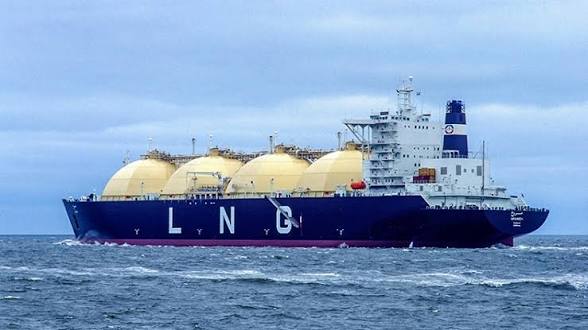
The UK LNG carriers industry has become an essential part of the nation’s energy story. As the country seeks reliable and diverse energy sources, liquefied natural gas transported by specialized LNG carriers is helping keep homes warm, businesses running, and industries productive. The UK’s strategic position along major maritime trade routes, combined with world-class LNG infrastructure, has strengthened its role in global LNG trade. Notably, the Grain LNG terminal can supply around one-third of the UK’s gas demand and is recognized as Europe’s largest LNG import terminal, underlining the importance of LNG carrier operations in supporting national energy security.
Market Drivers Advancing the UK LNG Carriers Industry
Growing UK Focus on Energy Security and Supply Diversification
Energy security has moved to the forefront of national priorities. Recent shifts in global energy markets have highlighted the need for dependable and flexible gas import channels. LNG carriers provide exactly that, enabling the UK to source natural gas from a broad network of international suppliers rather than relying heavily on a limited number of pipelines. This flexibility helps the country respond to changing market conditions while ensuring stable energy availability. As LNG imports become an increasingly important component of the UK’s energy mix, demand for modern LNG carriers continues to rise.
Expansion of UK LNG Terminal Infrastructure
The continued development of LNG infrastructure across the UK is creating new opportunities for LNG shipping companies. The Grain LNG terminal remains one of the world’s largest LNG facilities, offering more than 1.2 million cubic meters of storage capacity and serving as a critical gateway connecting global LNG markets with the UK and Europe. With significant investments in storage, handling, and regasification capabilities, the country is well positioned to accommodate increasing LNG cargo volumes, supporting long-term growth for LNG carrier operators.
Advanced LNG Vessel Technologies Improving Efficiency
Shipping companies are investing heavily in next-generation LNG carriers equipped with dual-fuel engines, advanced containment systems, and digital monitoring technologies. These innovations help reduce fuel consumption, improve operational efficiency, and lower emissions. For shipowners, the benefits extend beyond sustainability. Modern vessels offer lower operating costs and improved cargo handling performance, making them increasingly attractive for long-term LNG transportation contracts.
Government Initiatives Supporting the UK LNG Carriers Industry
The UK government continues to emphasize energy resilience through policies that strengthen gas import infrastructure and encourage efficient maritime operations. Support for port modernization, energy security investments, and shipping decarbonization initiatives is creating a favorable environment for LNG transportation. Regulatory frameworks also encourage operators to adopt cleaner vessel technologies while maintaining the high safety standards that characterize the UK’s maritime sector.
Competitive Landscape of the UK LNG Carriers Sector
The UK LNG carriers industry features a blend of global shipping giants, energy companies, and specialized LNG fleet operators. Leading participants include Shell, BP, Nakilat, MOL, and NYK Line. Competition is largely centered on fleet modernization, vessel availability, operational efficiency, and long-term charter agreements. Strategic partnerships between shipping firms and LNG terminal operators are also helping improve service reliability and strengthen supply chain resilience.
Challenges Facing the UK LNG Carriers Industry
Meeting Environmental Compliance Requirements
While LNG is often viewed as a transition fuel, ship operators still face increasing pressure to reduce emissions. Compliance with evolving environmental regulations requires significant investment in cleaner propulsion systems, energy-efficient technologies, and fleet upgrades. These costs can place pressure on profitability, particularly for older vessels.
Coping with LNG Trade and Freight Market Volatility
The LNG shipping market remains highly sensitive to global gas demand, geopolitical developments, and seasonal consumption trends. Fluctuating freight rates and unpredictable cargo demand can create uncertainty for vessel operators, making long-term planning and investment decisions more challenging.
Future Outlook
The outlook for the UK LNG carriers market remains positive as energy security, diversified gas sourcing, and infrastructure modernization continue to drive demand. Growing LNG trade flows, investments in advanced vessel technologies, and the expansion of import facilities are expected to support market growth. With terminal capacity contracted for years ahead and LNG maintaining a crucial role in the UK’s energy system, the industry is likely to see sustained investment and technological innovation. As a result, LNG carriers will continue serving as an essential link between global energy producers and UK consumers, supporting both economic stability and energy reliability.
Consultants at Nexdigm, in their latest publication “UK LNG Carriers Market Outlook to 2035” analyze the sector By Vessel Capacity Tiers (Mid-Range 50k-125125k CBM and Q-Flex 180k-220k CBM), By Primary End-User Sector (Combined Cycle Gas Turbine Plants and Peaak Shaving Facilities) and By Industrial Manufacturing Processing (Chemical Feedstock Production and High-Temperature Kiln Operations).
Nexdigm suggests that businesses in “UK LNG Carriers Industry” focusses on oilfield, desalination, construction, and industrial applications, strengthen local warehousing, develop application-specific grades, improve technical support, and build resilient sourcing networks to serve expanding energy, water, and manufacturing demand.
To take the next step, simply visit our Request a Consultation page and share your requirements with us.
Harsh Mittal
+91-8422857704