
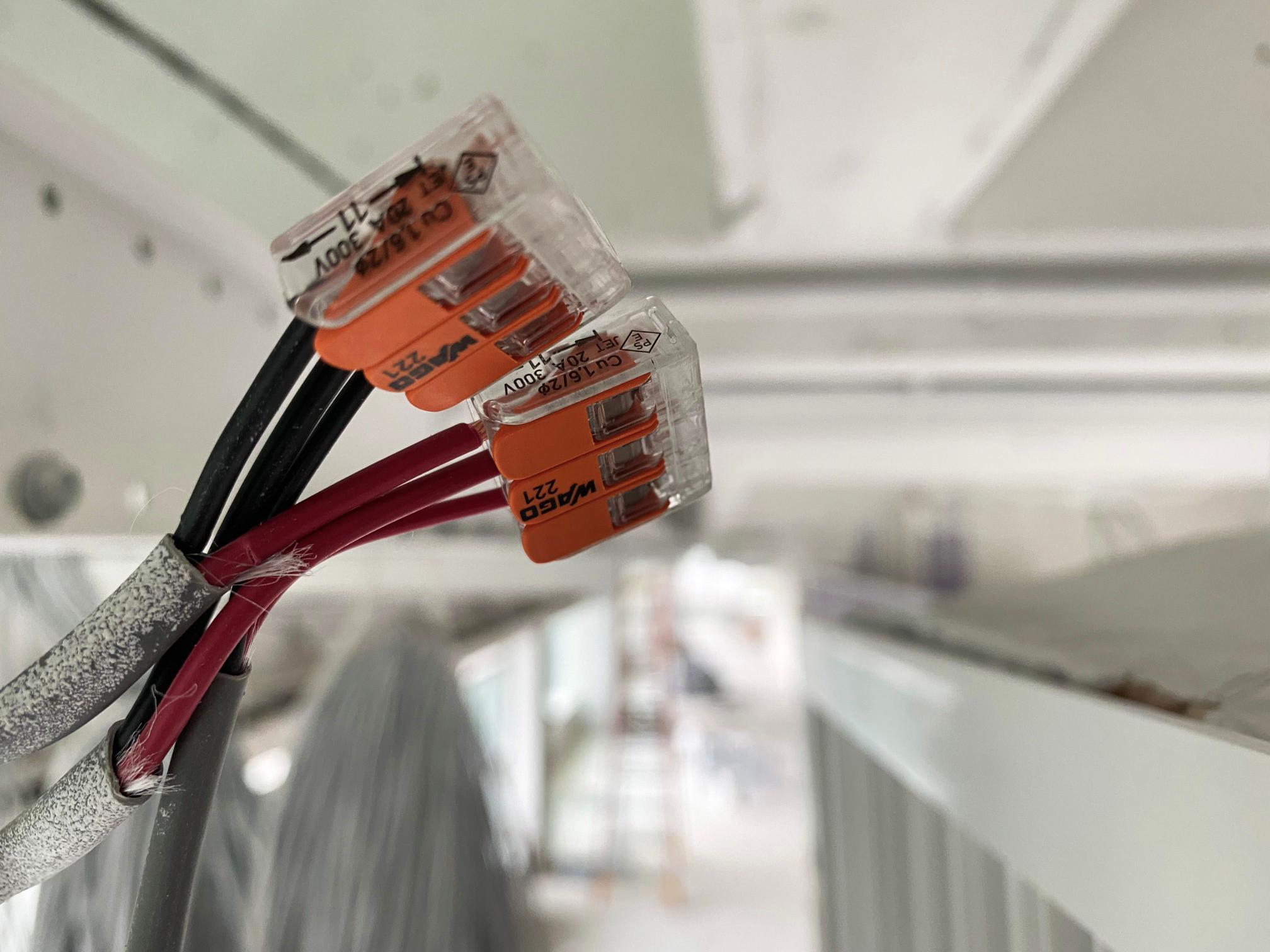
The UK low voltage cable industry is experiencing steady growth, supported by infrastructure modernization, renewable energy integration, and the rapid expansion of electric vehicle (EV) charging networks. Valued at approximately USD 2.45 billion, the sector is projected to expand at a 5.3% CAGR through 2035, reflecting sustained demand across construction, utilities, manufacturing, and transportation applications. Low voltage cables play a vital role in power distribution, residential and commercial buildings, industrial facilities, and emerging clean energy projects. As the UK advances toward net-zero objectives, investment in resilient and efficient electrical infrastructure continues to create significant opportunities for cable manufacturers and suppliers.
Market Drivers Advancing UK Low Voltage Cable Industry Growth
Expanding Electric Vehicle Charging Infrastructure
One of the primary growth drivers is the accelerating deployment of EV charging stations across the UK. With electric vehicle adoption rising steadily, local distribution networks require extensive upgrades to support increased electricity demand. Low voltage cables are essential for connecting charging stations, residential charging points, and commercial charging hubs. As the country works toward transportation electrification goals, cable installation activity is expected to increase significantly.
Infrastructure Modernization and Urban Development
The UK continues to invest heavily in upgrading aging power infrastructure, commercial buildings, residential projects, and public utilities. Growing urbanization and smart building developments are generating demand for reliable and energy-efficient electrical distribution systems. Low voltage cables remain critical components in construction projects, supporting lighting, heating, cooling, communication, and power distribution requirements. This trend is particularly evident in major economic regions such as Manchester, which has emerged as a key hub for electrical engineering and industrial activity.
Growth of Renewable Energy and Sustainability Initiatives
Renewable energy integration is creating additional opportunities across the cable sector. Tees Valley has become an important center for offshore wind projects, where extensive cabling networks are required for power transmission and distribution. At the same time, manufacturers are increasingly adopting sustainable practices, including responsibly sourced copper and recyclable PVC alternatives. The growing preference for low-carbon and environmentally compliant materials is encouraging innovation and strengthening long-term industry growth prospects.
Government Initiatives Supporting UK Low Voltage Cable Industry
Government regulations and sustainability objectives continue to shape industry development. Updated Building Regulations Part P and stringent safety standards enforced by the Office for Product Safety and Standards have increased demand for high-performance cable solutions. In addition, the UK’s commitment to achieving a net-zero electricity system has encouraged investments in grid modernization, renewable energy projects, and EV infrastructure. These initiatives are driving widespread adoption of fire-retardant, zero-halogen, and environmentally sustainable cable products.
Competitive Landscape of UK Low Voltage Cable Sector
The competitive environment consists of established domestic and international manufacturers focusing on product quality, regulatory compliance, and sustainable production. Companies such as Prysmian UK play a significant role in supplying cables for construction, industrial, and renewable energy applications. Market participants are increasingly investing in advanced manufacturing technologies, recyclable materials, and supply-chain optimization strategies to strengthen their competitive positions and meet evolving customer requirements.
Challenges Impacting UK Low Voltage Cable Industry
Raw Material Price Volatility
Fluctuations in copper and polymer prices continue to create cost pressures for manufacturers. Since copper remains a key component in cable production, changes in global commodity prices can impact profitability and pricing strategies across the sector.
Regulatory and Compliance Requirements
Manufacturers must comply with increasingly stringent safety, environmental, and quality standards. Meeting requirements related to fire resistance, sustainability, and product performance often requires continuous investment in research, testing, and certification processes, which can increase operational costs.
Future Outlook
The future of the UK low voltage cable sector remains positive as infrastructure investments; renewable energy expansion, and transportation electrification continue to accelerate. Growing demand for smart grids, energy-efficient buildings, and EV charging networks will support consistent installation activity across multiple end-use sectors.
Consultants at Nexdigm, in their latest publication “UK Low Voltage Cable Market Outlook to 2035,” analyze the sector By (Definition of UK Low Voltage, UK Construction Market Sizing, Bottom-up National Demand Modeling, DNO Infrastructure Project Mapping, Supply-side Import Export Analysis,).
Nexdigm suggests that businesses in the UK Low Voltage Cable Industry focus on expanding sustainable manufacturing capabilities, strengthening supply chain resilience, and aligning with evolving safety regulations. Companies should capitalize on growing demand from EV charging infrastructure, renewable energy projects, and grid modernization initiatives to drive long-term growth and competitiveness.
To take the next step, simply visit our Request a Consultation page and share your requirements with us.
Harsh Mittal
+91-8422857704