
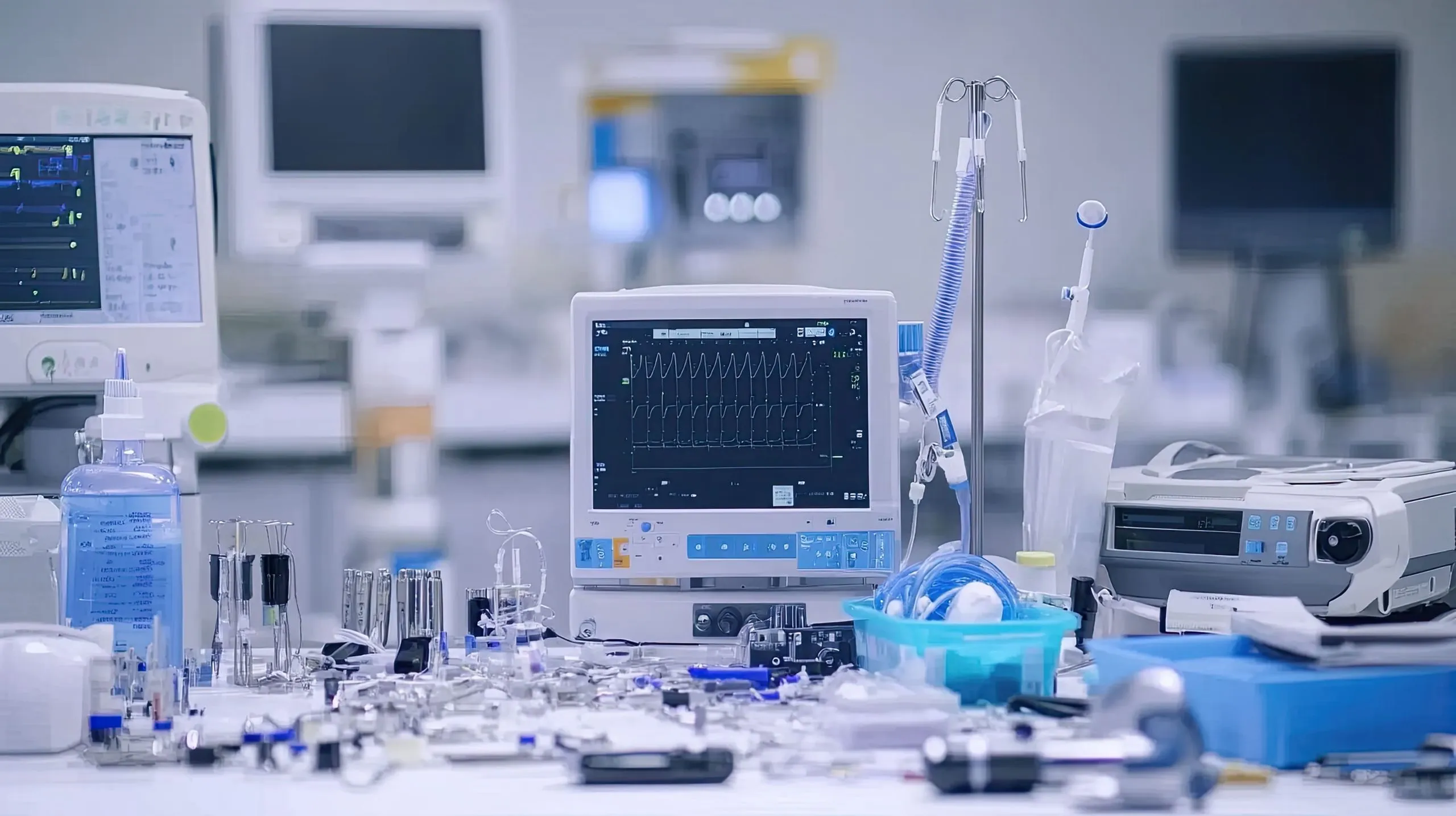
The UK medical devices market sits at an interesting crossroads. It already has one of the most mature healthcare systems in Europe, yet many hospitals are still working through aging equipment, stretched budgets, and rising patient demand. By 2026, the market covers everything from MRI scanners and surgical tools to insulin pumps, wound care products, and remote monitoring devices used at home. What makes the UK different is the role of the NHS. Few markets have a single buyer with this much influence over purchasing decisions, clinical standards, and adoption timelines. That creates scale when procurement moves quickly, but it can also slow innovation when approval pathways become layered. Over the next decade, suppliers that understand both public procurement and real clinical pain points are likely to do better than those relying on brand recognition alone.
What’s Driving the Medical Devices Market in the UK?
Aging Population and Long-Term Care Demand
The UK population is getting older, and that changes the type of equipment hospitals and care providers need. Hip and knee replacements, cardiac rhythm devices, mobility aids, hearing support products, and respiratory machines all see stronger demand when more people live into their 70s and 80s. In practice, this also shifts spending toward chronic disease management rather than one-time acute treatment. A patient with heart failure may need years of monitoring, repeat diagnostics, and home support devices. That creates recurring demand rather than isolated purchases. Suppliers focused only on high-ticket capital equipment may miss where the steady revenue sits.
Digital Health and Smarter Diagnostics
UK hospitals have spent years talking about digital transformation. Now many trusts are under pressure to actually deliver it. Radiology departments are using AI tools to flag urgent scans faster. Pathology labs are trialing image analysis systems that help manage staffing shortages. Intensive care units increasingly rely on connected monitors that centralize alerts. The appeal is not just innovation for its own sake. It is about productivity. If software helps a radiologist review more scans safely in one shift, the business case becomes stronger. That said, clinicians tend to be skeptical of flashy promises, so vendors need proof, not marketing language.
Shift Toward Home and Community Care
The NHS cannot solve capacity constraints by adding beds forever. Much of the pressure is pushing care beyond hospital walls. This benefits devices such as glucose monitors, CPAP machines, portable oxygen systems, infusion pumps, and wearable heart trackers. Patients usually prefer treatment closer to home, and providers often save money when admissions fall. Still, homecare devices need reliability and simple design. A machine that works perfectly in a controlled ward may fail commercially if elderly patients find it confusing. Ease of use matters more than many manufacturers admit.
Government-Led Initiatives Supporting Growth
The UK government continues to back life sciences, domestic manufacturing resilience, and digitization across healthcare. Since the pandemic, supply security has become a practical concern rather than an abstract policy topic. Hospitals remember shortages of ventilator parts, PPE, and diagnostics. Funding programs for innovation, procurement reform, and faster adoption through NHS pathways should support selected segments, especially diagnostics and remote care. Yet public spending remains tight. Good ideas compete with waiting list pressures, workforce shortages, and capital constraints. That means policy support helps, but it does not guarantee rapid purchasing decisions.
Market Competition and Industry Landscape
Competition is broad. Global names such as Medtronic, GE HealthCare, Philips, and Siemens Healthineers remain influential in imaging, monitoring, and surgical systems. Smith+Nephew gives the market a strong domestic champion in orthopaedics and wound management. What is changing is the rise of smaller specialist firms. Niche companies focused on AI radiology software, remote monitoring, or outpatient procedure tools can win contracts if they solve a clear operational problem. Size still matters, but relevance matters more than it used to.
Procurement Delays and Budget Pressure
A common challenge is the gap between clinical interest and actual purchasing. Hospitals may want upgraded imaging devices or smarter monitors, yet approval cycles can stretch for months. Capital budgets are often reviewed centrally, and competing priorities are constant. This creates frustration for both buyers and suppliers. Old equipment stays in service longer than ideal, while newer technology reaches patients later than it should. For vendors, long sales cycles can be just as difficult as regulatory hurdles.
Future Outlook
By 2035, the UK medical devices market should look more distributed, data-led, and patient-centric than it does today. Expect broader use of robotic surgery in major centers, more AI-assisted diagnostics, and wider adoption of devices designed for home monitoring. Demand for orthopaedics, cardiovascular care, and elderly support products is unlikely to soften. Domestic production in selected categories may expand as resilience becomes part of procurement criteria. Still, price sensitivity will remain real. The winners are likely to be companies that combine dependable products, measurable outcomes, and realistic pricing rather than those selling futuristic concepts alone.
Consultants at Nexdigm, in their latest publication “UK Medical Devices Market Outlook to 2035”, analyzed the market by Product Type (Diagnostic Imaging Devices, Surgical Instruments, Patient Monitoring Equipment, Orthopaedic Devices, Home Healthcare Devices), By Application (Hospitals, Clinics, Diagnostic Centers, Homecare Settings, Ambulatory Surgical Centres), and By Distribution Channel (Direct Sales, Distributors, E-Procurement Platforms). Nexdigm believes that businesses should prioritize NHS partnerships, AI-enabled product differentiation, regulatory readiness, and localized supply chains to capitalize on the next phase of growth in the UK MedTech market.
To take the next step, simply visit our Request a Consultation page and share your requirements with us.
Harsh Mittal
+91-8422857704