
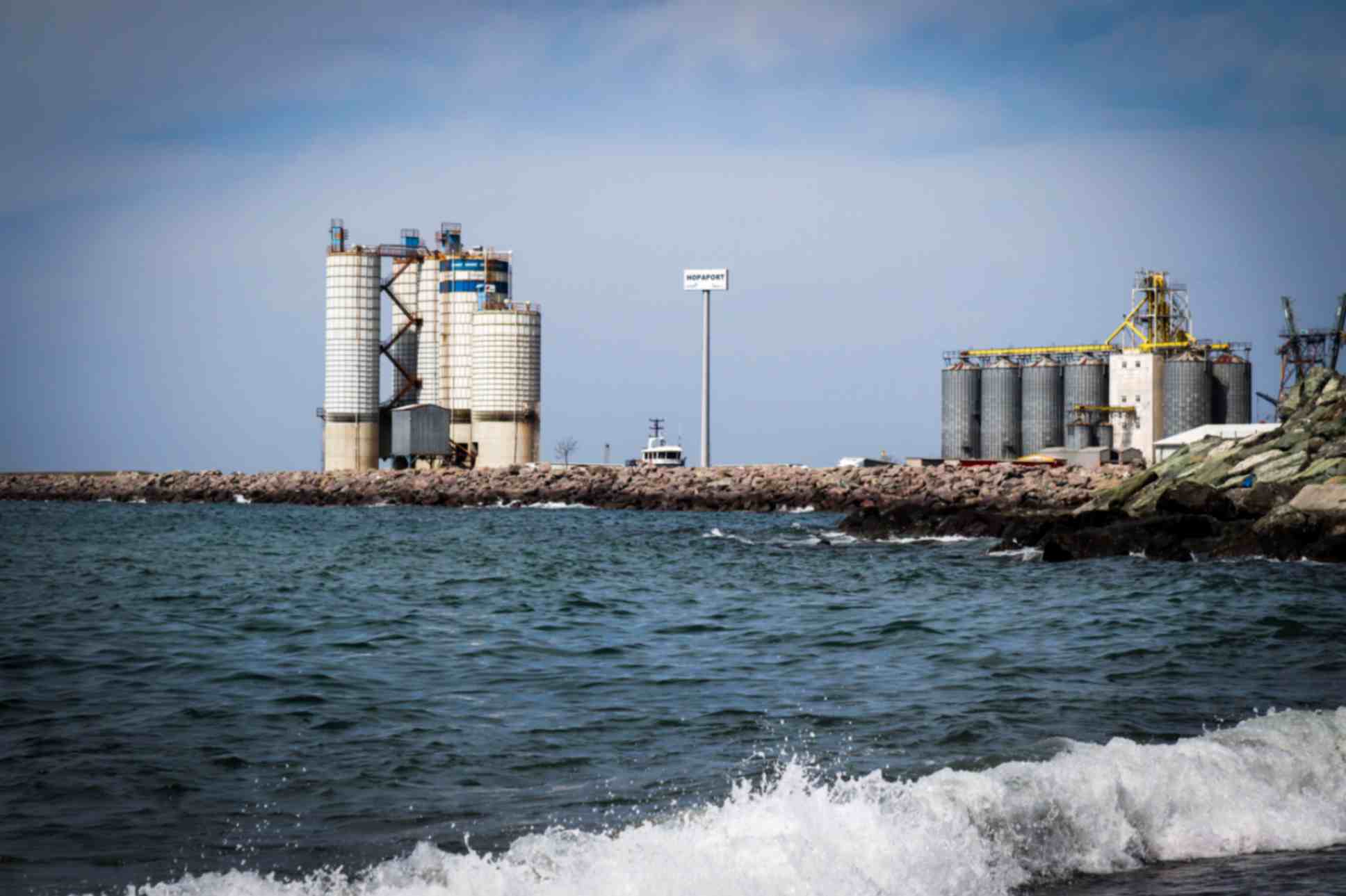
The UK shore power systems industry is experiencing robust growth as maritime stakeholders accelerate efforts to reduce port-side emissions and support net-zero objectives. Shore power technology enables docked vessels to connect directly to onshore electricity networks, minimizing reliance on onboard auxiliary engines. Valued at approximately USD 1.42 billion, the industry is projected to expand at an impressive 8.4% CAGR over the forecast period. Major ports such as Southampton and Felixstowe are investing in advanced electrification infrastructure to support cleaner shipping operations, creating significant opportunities across the UK’s maritime sector.
Market Drivers Advancing UK Shore Power Systems Growth
Maritime Decarbonization Goals Driving Infrastructure Investments
The UK’s ambitious commitment to achieving net-zero emissions by 2050 is accelerating investments in shore power infrastructure. Ports, shipping operators, and terminal authorities are adopting electrification technologies to reduce greenhouse gas emissions from vessels while docked. As environmental performance becomes a key priority, shore power systems are emerging as a critical solution for sustainable maritime operations.
Growing Cruise and Container Port Electrification
Major ports including Southampton and Felixstowe are expanding shore-side electrical infrastructure to accommodate growing vessel traffic. Southampton, one of the UK’s busiest cruise ports, is increasingly deploying shore power capabilities to support large passenger vessels. Similarly, container terminals are investing in high-voltage electrical installations to improve operational sustainability and meet evolving environmental standards.
Adoption of Advanced Microgrid and Smart Energy Solutions
Technology providers are introducing modular microgrids, energy management systems, and high-voltage frequency converters to improve system efficiency. These innovations enable ports to optimize electricity consumption while ensuring reliable power supply for various vessel classes. Integration of renewable electricity sources further enhances the environmental benefits of shore power systems and supports long-term industry expansion.
Government Initiatives Supporting UK Shore Power Systems Sector
Government support remains instrumental in advancing the UK shore power systems industry. The Department for Transport’s Clean Maritime Plan encourages the adoption of low-emission technologies across ports and shipping operations. Additionally, compliance requirements established by the Maritime and Coastguard Agency under Merchant Shipping Regulations promote cleaner vessel operations. These initiatives, combined with decarbonization funding programs, are accelerating investments in sustainable port infrastructure throughout the country.
Competitive Landscape of UK Shore Power Systems Industry
The industry features a mix of global electrical technology providers and engineering specialists. Key participants include ABB, Siemens, Schneider Electric, Cavotec, and Arup Group. Companies are focusing on modular shore power technologies, smart grid solutions, frequency conversion systems, and integrated energy management platforms. Strategic collaborations with ports and terminal operators continue to strengthen competitiveness and support large-scale deployment projects.
Challenges Impacting UK Shore Power Systems Industry
High Capital Investment Requirements
The installation of shore power infrastructure requires significant expenditure on substations, transformers, grid upgrades, and vessel connection equipment. These costs can create implementation barriers, particularly for smaller ports with limited financial resources.
Technical and Grid Integration Constraints
Differences in vessel electrical requirements, grid capacity limitations, and infrastructure compatibility can complicate deployment projects. Ensuring seamless integration between port electrical systems and diverse ship classes remains a key challenge for industry stakeholders.
Future Outlook
The future of the UK shore power systems industry remains highly promising as environmental regulations and sustainability commitments continue to strengthen. Ongoing investments in electrified port infrastructure, renewable energy integration, and smart grid technologies are expected to enhance operational efficiency across the maritime sector. Growing demand from cruise, ferry, and container shipping operators will further support industry expansion. As the UK advances toward its carbon-neutral objectives, shore power systems are expected to become a cornerstone of sustainable port operations and maritime growth.
Consultants at Nexdigm, in their latest publication “UK Shore Power Systems Market to 2035,” analyze the sector By (Define UK Shore Power Scope, Analyze Maritime Decarbonization Targets, Conduct Port Stakeholder Interviews, Assess National Grid Capacity Requirements).
Nexdigm suggests that businesses in the UK Shore Power Systems industry focus on strategic investments in port electrification, renewable energy integration, and advanced microgrid technologies. Aligning maritime decarbonization regulations and net-zero objectives can enhance operational efficiency, regulatory compliance, and long-term growth across the evolving maritime sector.
To take the next step, simply visit our Request a Consultation page and share your requirements with us.
Harsh Mittal
+91-8422857704