
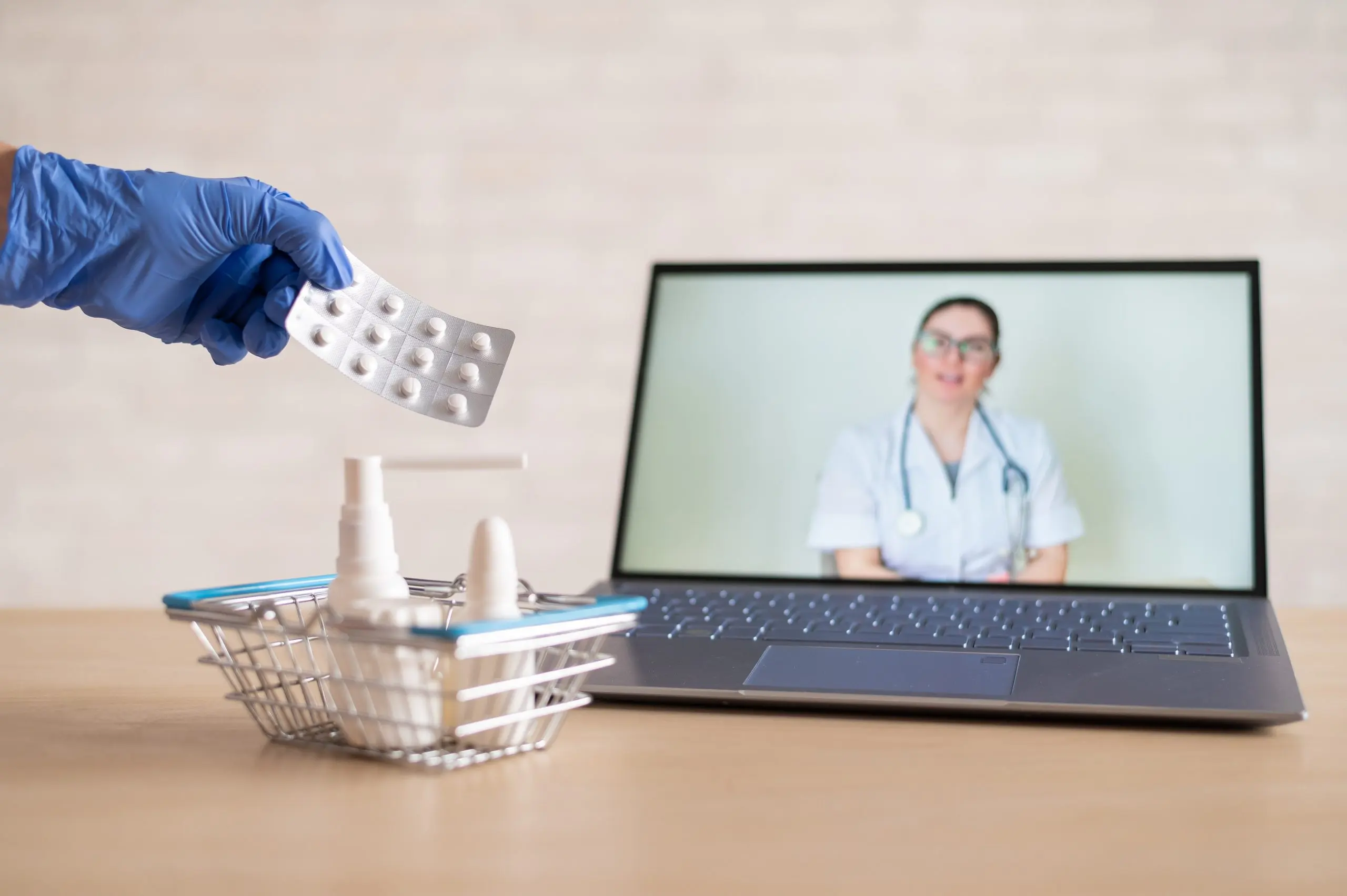
Telemedicine in the UK is no longer just a backup option it is steadily becoming a normal part of how people access healthcare. The market, valued at over USD 2.4 billion, is growing at a strong pace, reflecting rising demand for convenience. Many patients are now comfortable speaking to doctors remotely, especially for routine concerns. What once felt unfamiliar is now part of daily life for many households. It saves time, reduces travel, and often speeds up access to care. For busy individuals, this flexibility makes a noticeable difference. Over time, virtual care is blending seamlessly with traditional healthcare services.
Market Drivers Growing the Telemedicine Industry in the UK
Convenience Is Changing Patient Expectations
One of the biggest reasons behind telemedicine growth is the need for faster and easier access to healthcare. Long waiting times for appointments have made virtual consultations more appealing. Patients can now speak to a doctor without leaving home. This is particularly useful for minor illnesses or follow-ups. It reduces the stress of scheduling and travel. In many ways, it makes healthcare feel more accessible and less disruptive. As expectations shift, convenience is becoming a key factor in healthcare choices. This trend is likely to continue as people prioritize time and flexibility.
Strong Digital Adoption Supporting Growth
The UK has a well-developed digital infrastructure, which supports telemedicine adoption. Millions of people are already comfortable using apps and online services in daily life. For instance, millions of users are registered on NHS digital platforms, showing strong engagement. This familiarity makes it easier for patients to transition to virtual care. Healthcare providers can also scale services more efficiently. Digital tools are helping bridge the gap between patients and providers. Over time, technology is making remote consultations feel more natural. This strong digital base gives the UK an advantage in expanding telemedicine.
Pressure on Healthcare Systems Encouraging Change
Healthcare systems across the UK are under increasing pressure due to rising demand and limited resources. Telemedicine helps manage this by handling non-critical cases remotely. This reduces the burden on hospitals and clinics. It also allows doctors to focus on more urgent cases. Patients benefit from quicker responses and shorter waiting times. At the same time, costs can be reduced for both providers and users. This balance of efficiency and accessibility is driving long-term adoption. In simple terms, telemedicine helps the system work smarter, not harder.
UK Government Policy Support to boost Telemedicine Market
Government efforts and NHS initiatives are playing a major role in supporting telemedicine. Investments are being made in digital infrastructure, online services, and data systems. The National Health Service has been central in promoting digital access to care. Policies are focused on improving efficiency and expanding reach. There is also a push toward integrating AI and advanced technologies. These steps are helping move telemedicine from pilot stages to mainstream use. For businesses, this creates a more stable and supportive environment. It also signals long-term commitment to digital healthcare growth.
Competitors and New Entrants within UK Telemedicine Market
The UK telemedicine market is evolving quickly, with a mix of established healthcare providers and emerging startups. Each is bringing different strengths to the table. Startups are introducing flexible and user-friendly solutions. Larger organizations provide scale and trust. Partnerships between public and private sectors are becoming more common. Competition is encouraging continuous improvement in services. New technologies are being tested and adopted at a steady pace. Overall, the market is dynamic and still finding its structure.
Key Challenges faced within UK Telemedicine Market
Building Trust Around Data Security
Handling sensitive health information remains a key concern. While strict regulations are in place, they also add complexity for providers. Patients need reassurance that their data is protected. Any concerns around privacy can slow adoption. Companies must invest in secure and transparent systems. Trust plays a central role in digital healthcare acceptance. Without it, even the best technology may struggle to scale. Balancing innovation with responsibility will remain essential.
Addressing the Digital Divide
Not everyone has equal access to digital tools or the internet, which can limit telemedicine adoption. Older populations may find it harder to adapt to new technologies. Digital literacy also varies across regions. This creates uneven access to healthcare services. Bridging this gap will require targeted efforts and inclusive solutions. Improving accessibility is key to ensuring no one is left behind. A more inclusive approach will support broader market growth.
Future Outlook
As we move ahead, telemedicine in the UK is expected to be fully integrated into the healthcare system. It will likely become a standard way of accessing care rather than an alternative. Advances in AI and remote monitoring will further improve patient experiences. Consultations may become faster and more personalized. Healthcare providers will benefit from better efficiency and data insights. Patients will have more control over how and when they access care. In everyday life, seeing a doctor could be as simple as using a smartphone. Overall, telemedicine is set to play a central role in the future of healthcare in the UK.
Consultants at Nexdigm, in their latest publication UK Telemedicine Market Outlook to 2035, analyze the sector by System Type (Remote Monitoring System, Telemedicine Software, Telemedicine Platforms and Teleconsultation Software), by Platform Type (Web based platforms, Mobile Applications, Cloud based platforms, On-premise platforms and Integrated Platforms).
Nexdigm suggests that businesses should focus on how the sector is evolving, examining key trends, growth drivers, and the increasing role of digital healthcare solutions in improving access and efficiency across the country. Their analysis highlights how factors such as rising internet penetration, government initiatives, and growing demand for remote care are shaping the future of telemedicine in the UK.
To take the next step, simply visit our Request a Consultation page and share your requirements with us.
Harsh Mittal
+91-8422857704