
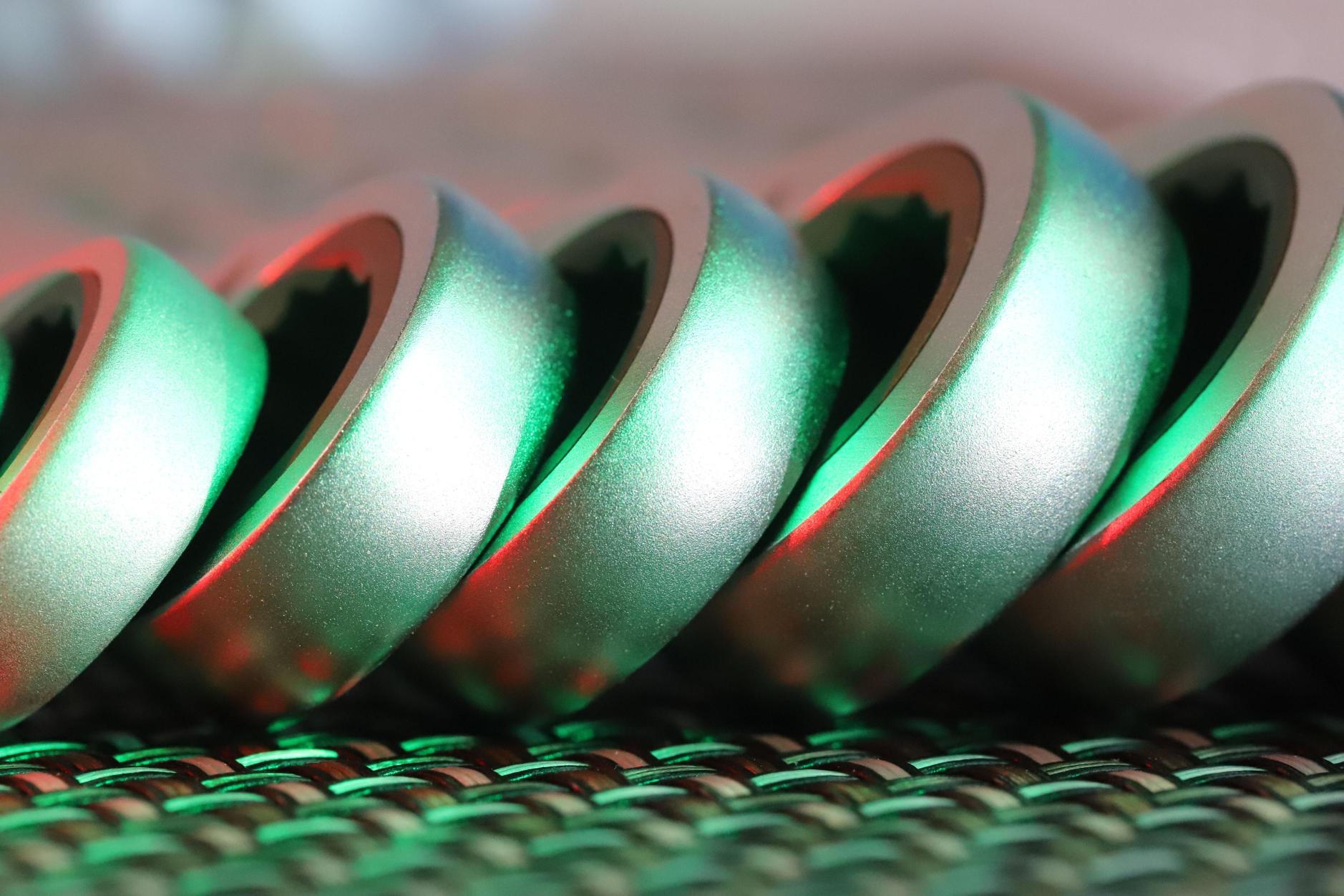
Titanium is becoming an increasingly important material for the UK’s advanced manufacturing and construction industries. Known for its high strength-to-weight ratio, corrosion resistance, and durability, titanium is widely used in aerospace, defense, automotive, medical equipment, and industrial applications. The UK titanium metal industry is gaining attention as manufacturers focus on lightweight materials, improved production efficiency, and high-performance engineering solutions. According to the industry outlook, the UK titanium metal market was valued at USD 2.14 billion in 2025 and is projected to reach USD 3.63 billion by 2035, reflecting a CAGR of approximately 5.4%.
Market Drivers Advancing the UK Titanium Metal Growth
Growing Aerospace and Defense Manufacturing Requirements
The aerospace and defense sectors remain major contributors to titanium consumption across the UK. Aircraft manufacturers increasingly prefer titanium alloys because they provide excellent mechanical strength without adding unnecessary weight. These properties help improve fuel efficiency, structural performance, and component durability. The growing focus on next-generation aircraft, military equipment, aircraft engine components, and lightweight structural systems is creating additional opportunities for titanium suppliers. Furthermore, the UK has an established aerospace manufacturing ecosystem, supporting demand for titanium mill products, forgings, and precision-engineered components.
Increasing Adoption of Advanced Manufacturing Technologies
Technological advancements are changing how titanium products are manufactured and processed. Additive manufacturing, particularly metal 3D printing, is creating new possibilities for producing complex titanium components with reduced material waste. Manufacturers are also investing in automation, precision machining, and advanced melting technologies to improve production consistency. Titanium powder is gaining attention among companies developing specialized components for aerospace, healthcare, and industrial applications. These developments encourage manufacturers to explore cost-effective production techniques while maintaining strict quality and performance standards.
Rising Demand for Durable and Lightweight Industrial Materials
Beyond aerospace, titanium is finding applications in chemical processing equipment, power generation, marine infrastructure, and specialized construction components. Its resistance to corrosion makes it suitable for demanding environments where conventional metals may deteriorate more quickly. As UK manufacturers priorities longer equipment lifecycles and lower maintenance requirements, titanium offers an attractive material option. Its ability to withstand challenging operating conditions is supporting its adoption across several industrial applications.
Government Initiatives Supporting the UK Titanium Metal Sector
The UK government is strengthening its critical mineral supply chains through its Critical Minerals Strategy – Vision 2035. Titanium is included in the government’s list of growth minerals because of its importance to aerospace alloys and clean energy technologies. The strategy aims to meet 10% of annual critical mineral demand through domestic production and 20% through recycling by 2035. It also outlines up to £50 million in dedicated critical mineral support to strengthen domestic capabilities and supply chain resilience. GOV.UK +1
Competitive Landscape of the UK Titanium Metal Industry
The competitive environment includes established titanium producers, specialist metal processors, and advanced manufacturing companies. TIMET UK is an important industry participant, supplying titanium products for demanding industrial applications. Companies such as Renishaw are also contributing to the development of titanium-based additive manufacturing technologies. Competition increasingly revolves around product quality, manufacturing efficiency, technological capabilities, and reliable material supply. Companies investing in advanced processing, recycling, and precision engineering are better positioned to address evolving customer requirements.
Challenges Impacting the UK Titanium Metal Industry
High Production and Processing Costs
Titanium extraction, refining, and manufacturing involve energy-intensive processes and specialized equipment. These requirements increase production costs compared with conventional metals such as steel and aluminum. Smaller manufacturers may also face difficulties investing in advanced processing technologies.
Raw Material Supply Chain Uncertainties
Dependence on international suppliers exposes manufacturers to geopolitical disruptions, transportation delays, and fluctuations in raw material prices. Maintaining consistent titanium Availability while meeting strict quality requirements remains an important concern for UK manufacturers.
Future Outlook
Expanding Opportunities Across Advanced Manufacturing
The UK titanium metal industry is expected to benefit from continued investments in aerospace, defense, precision engineering, and specialized industrial manufacturing. The projected increase in demand for high-performance materials will create opportunities for titanium mill products, forgings, and powder-based applications.
Greater Focus on Sustainable Production
Recycling, additive manufacturing, and material-efficient processing are likely to become increasingly important. The government’s technical estimates indicate cumulative titanium demand from its identified growth sectors could reach approximately 684,900 tones by 2035. This reinforces the importance of developing reliable supply chains and domestic processing capabilities. Overall, technological innovation and industrial investment will shape the sector’s long-term development.
Consultants at Nexdigm, in their latest publication “UK Titanium Metal Market Outlook to 2035 ,” analyze the sector By Defining UK Industrial Titanium Scope, Top-Down Aerospace Production Sizing, Bottom-Up Component Consumption Tracking, Import Duty Analysis for Titanium,).
Nexdigm suggests that businesses in the UK Titanium Metal Industry focus on strengthening supply chain resilience, investing in advanced aerospace and medical-grade titanium applications, adopting sustainable production technologies, and leveraging domestic manufacturing initiatives to capitalize on evolving industry opportunities and competitive advantages.
To take the next step, simply visit our Request a Consultation page and share your requirements with us.
Harsh Mittal
+91-8422857704