
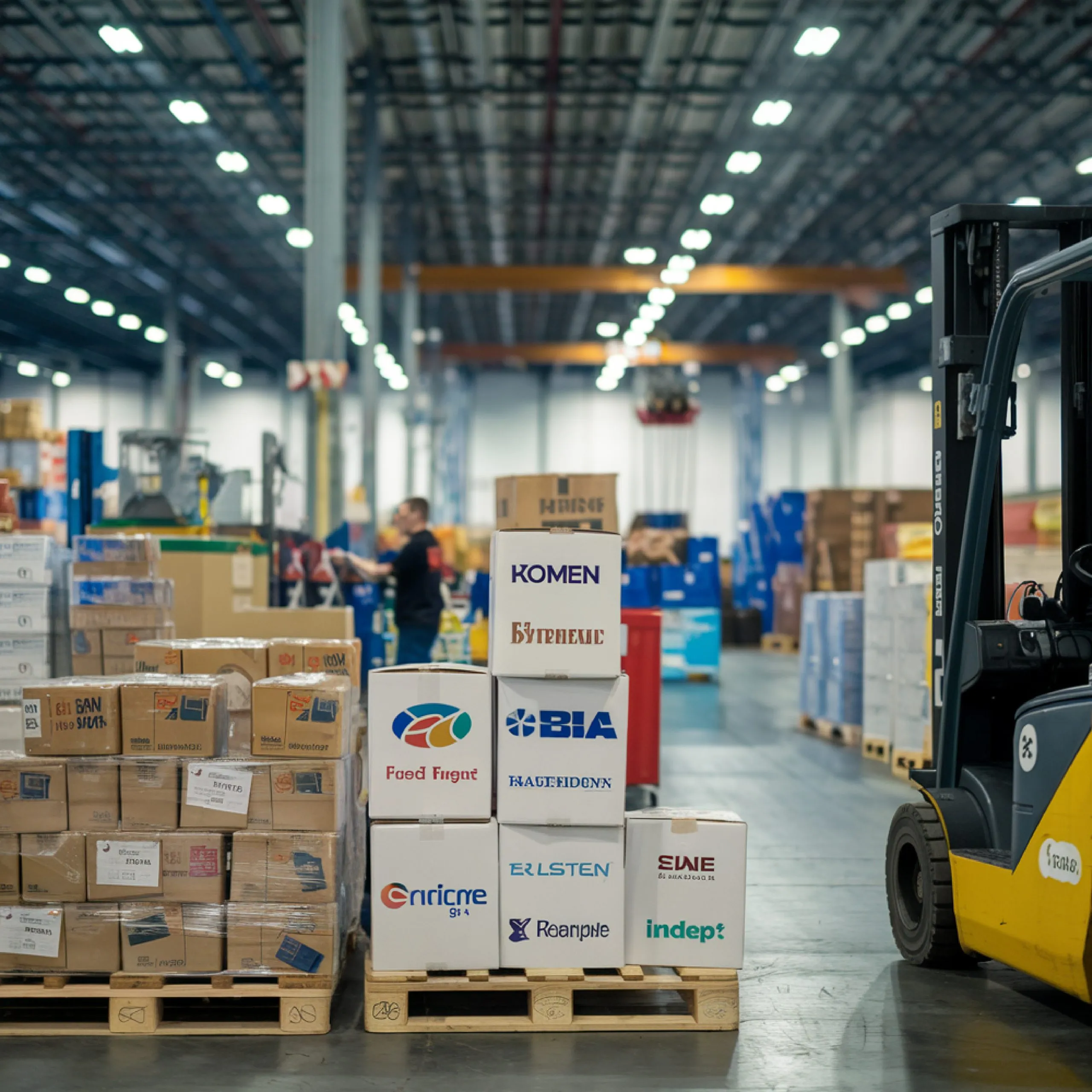
The UK warehousing market is evolving rapidly, driven by the surge in e‑commerce and the changing dynamics of consumer demand. Last year, the market was valued at around USD 68.9 billion, with projections indicating continued growth, reaching approximately USD 109.5 billion in the coming years. This growth is being fueled by a rise in demand for faster delivery times and more flexible storage solutions. With increasing focus on technology and sustainability, the warehousing sector is adapting to these new challenges, making it a critical player in the wider logistics landscape.
Key Drivers of Growth in the UK Warehousing Market
The E‑Commerce Boom and Changing Consumer Expectations
E‑commerce remains a dominant driver for the UK warehousing market, with consumers increasingly demanding faster and more flexible delivery options. The shift towards online shopping has accelerated the need for strategically located distribution centres, as well as advanced fulfilment capabilities to ensure same‑day and next‑day delivery. Retailers are expanding their warehousing operations to keep up with rising parcel volumes, and as the e‑commerce sector continues to grow, so will the demand for storage and distribution solutions. This shift is pushing businesses to invest in more efficient and scalable warehousing systems.
Technological Advancements in Warehousing
Technology has become an essential enabler for the growth of the warehousing market. The adoption of robotics, automated systems, and artificial intelligence in warehouses has revolutionized operations, improving speed, accuracy, and reducing manual labour costs. These technologies are helping companies handle increased volumes, optimize space, and minimize errors. Furthermore, innovations like IoT‑enabled sensors and advanced warehouse management systems (WMS) are enhancing operational efficiency by providing real‑time insights, helping operators make data‑driven decisions and keep pace with consumer demand.
Flexibility in Warehousing Solutions for Diverse Needs
A growing trend in the warehousing market is the increasing demand for flexible, scalable storage solutions. This is particularly important for small and medium enterprises (SMEs) and businesses that experience seasonal fluctuations. The rise of multi‑user warehouses, where space is shared between different businesses, offers a cost‑effective solution to meet storage needs without long‑term commitments. As businesses strive to meet changing consumer needs, flexible and adaptable warehouse solutions are becoming increasingly important to stay competitive in the market.
UK Government Support and Initiatives Boosting the Warehousing Market
Government initiatives continue to play a crucial role in the development of the UK warehousing market. Policies that promote infrastructure improvements, particularly in transport and logistics, are helping to ease congestion and improve connectivity. Additionally, the government’s focus on sustainability is driving the adoption of energy‑efficient practices and renewable energy sources within warehouses. This proactive approach is supporting the industry’s growth, ensuring it is aligned with both national and global environmental goals.
Competitive Insights of the UK Warehousing Market
The UK warehousing market is highly competitive, with several large logistics firms, property developers, and third‑party logistics (3PL) providers vying for dominance. Major players like Amazon, DHL, and Wincanton are expanding their warehouse footprints, investing in automation, and adopting smart technology to enhance operations. The market is also seeing a rise in niche players that offer specialized services, such as temperature‑controlled storage or urban fulfilment solutions. Partnerships and collaborations are becoming more common as companies look to provide integrated, end‑to‑end supply chain solutions. As demand for modern warehousing solutions grows, these players are racing to secure prime locations and state‑of‑the‑art facilities.
Market Challenges affecting the UK Warehousing Industry
Escalating Property and Operational Costs
A significant challenge facing the UK warehousing market is the rising cost of industrial real estate, particularly in urban areas. Limited available land in high-demand regions, coupled with rising construction and material costs, is driving up property prices and rents. These cost pressures are particularly challenging for smaller operators, who may struggle to compete with larger players in securing prime locations. Additionally, rising energy costs further impact operational expenses, forcing many companies to rethink how they manage and utilize their warehouse space efficiently.
Environmental Pressures and the Move to Greener Warehousing
Sustainability is increasingly at the forefront of the warehousing market. With growing concerns over climate change and the push for greener logistics practices, the industry is under pressure to reduce its carbon footprint. Many operators are transitioning to energy-efficient designs, integrating solar panels, and adopting low‑emission vehicles to transport goods. While these initiatives are crucial for environmental sustainability, they come with substantial upfront costs and long‑term investment challenges. Balancing environmental responsibility with operational efficiency will remain a critical challenge for the industry.
Future Outlook
Looking ahead, the UK warehousing market is set for continued growth and transformation. Demand for storage space will remain high, driven by e‑commerce, technological advancements, and the need for flexible fulfilment solutions. The future of warehousing will see increased automation, smarter inventory management systems, and more sustainable practices. Innovations in robotics, AI, and IoT will streamline operations, reduce costs, and enhance customer satisfaction. As businesses increasingly focus on sustainability, the adoption of green building designs and renewable energy solutions will be essential. The UK warehousing market will need to remain agile to meet these demands, ensuring it continues to evolve and thrive.
Consultants at Nexdigm, in their latest publication UK Warehousing Market Outlook to 2035 analyzed the market by System Type (General Storage, Temperature Controlled Warehousing, Bonded Warehousing Facilities) and By End User Segment (E-commerce, Manufacturing, Retail Companies, Agriculture and Food Processes Companies).
Nexdigm believes that businesses in the UK should collaborate with government initiatives to tap into infrastructure development and benefit from regulatory incentives. Investing in modern warehousing facilities, focusing on sustainability, and optimizing supply chains will enable businesses to meet the rising demand for efficient storage solutions, while also ensuring scalability and adaptability in a rapidly evolving market.
To take the next step, simply visit our Request a Consultation page and share your requirements with us.
Harsh Mittal
+91-8422857704