
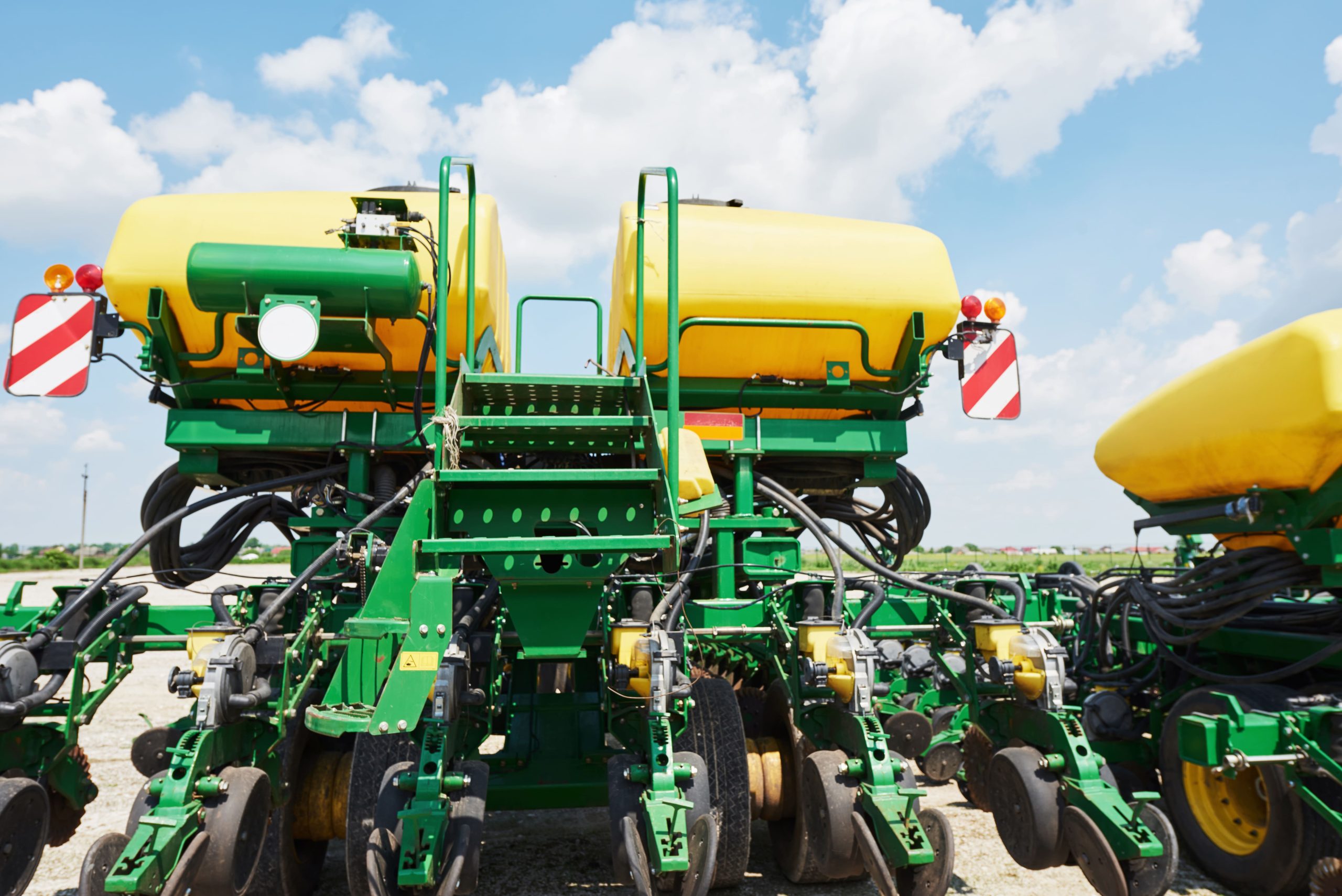
The USA agricultural engine & powertrain market is entering a transformative phase as farmers increasingly adopt precision agriculture, automation, and sustainability-driven technologies. As of 2026, the United States remains one of the largest agricultural producers globally, supported by over 880 million acres of farmland and a highly mechanized farming ecosystem. Diesel-powered engines continue to dominate tractors, harvesters, and sprayers; however, rising emission regulations and fuel efficiency requirements are reshaping engine design and powertrain architecture. OEMs are investing in hybrid systems, alternative fuels, and digital integration to improve productivity while lowering operating costs. Through 2035, the market is expected to evolve toward smarter, cleaner, and more fuel-efficient propulsion systems across agricultural machinery.
What’s Driving the Agricultural Engine & Powertrain Market in the USA?
Expansion of Precision Agriculture and Smart Farming
The adoption of GPS-guided tractors, autonomous harvesters, and AI-enabled farm management systems is accelerating demand for advanced powertrains. Modern equipment requires engines that can support high electrical loads, telematics, and sensor-based systems. Variable transmission systems, electronic fuel injection, and integrated control units are becoming standard features. As farms scale operations and seek productivity gains, reliable and high-performance engines remain central to operational efficiency.
Rising Demand for High Horsepower Equipment
Large-scale commercial farms across states such as Iowa, Illinois, and Nebraska are increasingly investing in high-horsepower tractors (above 100 HP). This trend supports demand for heavy-duty diesel engines with improved torque output and durability. Manufacturers like John Deere, AGCO Corporation, and CNH Industrial are introducing next-generation engines that comply with stringent emission norms while delivering higher field efficiency. The replacement cycle of aging fleets is further supporting market growth.
Shift Toward Electrification and Alternative Fuels
Although diesel remains dominant, electrification is gradually entering the agricultural landscape. Compact tractors and utility vehicles are witnessing early-stage adoption of battery-electric and hybrid powertrains. Additionally, renewable diesel and biodiesel blends are gaining acceptance as farms seek to reduce carbon footprints without major infrastructure changes. Research into hydrogen-powered tractors and fully electric drivetrains is expected to shape long-term market dynamics through 2035.
Government Regulations and Sustainability Push
Emission regulations enforced by the U.S. Environmental Protection Agency (EPA) under Tier 4 standards have significantly influenced engine development. These standards mandate reductions in particulate matter (PM) and nitrogen oxide (NOx) emissions, prompting OEMs to integrate advanced after-treatment systems such as selective catalytic reduction (SCR) and diesel particulate filters (DPF). Moreover, federal and state-level sustainability initiatives are encouraging investments in energy-efficient and low-emission machinery. Incentives for biofuel adoption and clean energy usage are indirectly driving innovation in agricultural engines and powertrains. As climate-related policies intensify toward 2030 and beyond, compliance-driven upgrades are expected to fuel steady demand.
Market Competition and Technological Innovation
The USA agricultural engine & powertrain market is moderately consolidated, with leading global manufacturers competing on technology, fuel efficiency, and digital integration. Companies such as Cummins Inc. and Caterpillar Inc. supply advanced diesel engines and power solutions for agricultural and off-highway equipment. Meanwhile, OEMs are increasingly developing in-house engine platforms to maintain tighter integration between hardware and digital systems. Strategic collaborations between engine manufacturers and agri-tech firms are enabling real-time performance monitoring, predictive maintenance, and remote diagnostics. Over time, software-defined machinery and connected powertrains are expected to differentiate market leaders.
High Development and Compliance Costs
Meeting increasingly stringent emission standards in the United States requires substantial investment in research, engineering, and testing of advanced engine technologies. Compliance with EPA Tier 4 and evolving environmental norms has led to the integration of complex after-treatment systems such as selective catalytic reduction and diesel particulate filters, significantly increasing manufacturing costs. These added costs are often passed on to end users, impacting affordability for small and medium-sized farmers. Striking the right balance between innovation, compliance, and cost competitiveness remains a critical challenge for engine manufacturers.
Future Outlook
The USA agricultural engine & powertrain market is projected to witness steady modernization through 2035, driven by automation, sustainability, and fleet replacement cycles. By 2030, hybrid-assisted drivetrains and digitally integrated engines are expected to gain wider adoption, particularly in mid- to high-horsepower segments. Electrification will likely expand in compact tractors and specialty farming applications, while renewable fuels serve as a transitional solution for heavy-duty equipment. Connected powertrains with predictive analytics and autonomous compatibility are expected to become mainstream across large commercial farms. Engine manufacturers will increasingly focus on fuel flexibility, modular designs, and software-enabled performance optimization.
Consultants at Nexdigm, in their latest publication “USA Agricultural Engine & Powertrain Market Outlook to 2035,” analyzed the market by Engine Type (Diesel, Hybrid, Electric), By Horsepower (Below 50 HP, 50–100 HP, above 100 HP), By Application (Tractors, Harvesters, Sprayers, Utility Vehicles), and By Sales Channel (OEM, Aftermarket). Nexdigm believes that businesses should prioritize emission-compliant innovation, electrification readiness, and digital integration strategies to maintain competitiveness in an evolving agricultural machinery ecosystem.
To take the next step, simply visit our Request a Consultation page and share your requirements with us.
Harsh Mittal
+91-8422857704