
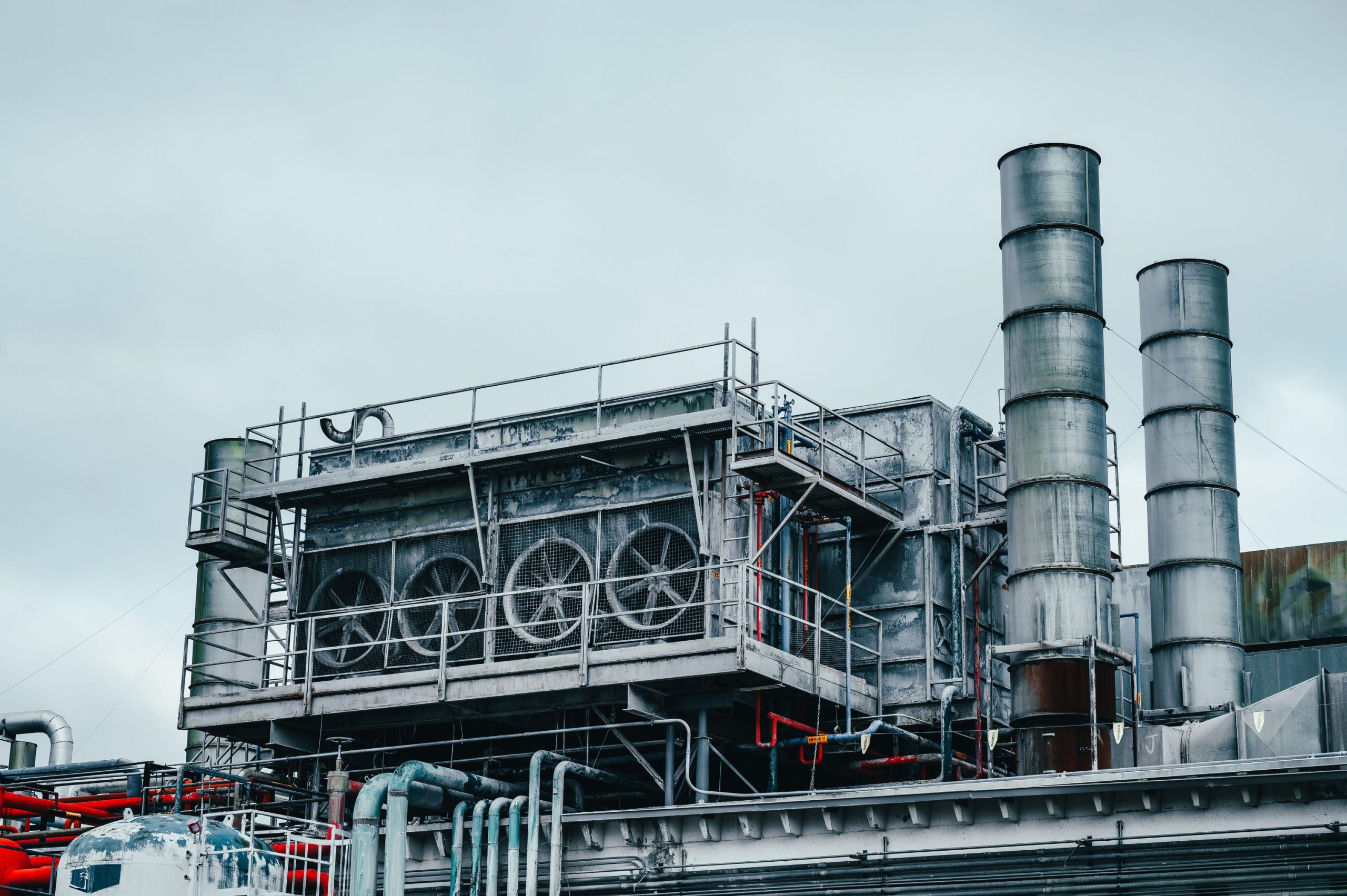
The US air separation unit (ASU) industry is experiencing steady expansion, supported by rising demand for industrial gases across oil & gas, petrochemicals, refining, and hydrogen production. Valued at approximately USD 2.14 billion, the sector is projected to grow at a 5.4% CAGR through 2035, reflecting increased industrial activity and energy transition initiatives. Air separation units play a vital role in producing oxygen, nitrogen, and argon required for refinery operations, enhanced process efficiency, and emerging clean-energy applications. Growing investments in cryogenic technologies and digitalized gas production systems are further strengthening industry development.
Market Drivers Advancing US Air Separation Unit Sector
Expanding Refining and Petrochemical Operations
The U.S. Gulf Coast, particularly Texas, remains a major center for refining and petrochemical production. Refineries require substantial volumes of oxygen and nitrogen for combustion optimization, inerting, and processing activities. As operators modernize facilities and improve operational efficiencies, demand for advanced air separation infrastructure continues to increase. The concentration of large-scale industrial facilities creates long-term opportunities for gas suppliers and equipment manufacturers.
Growth of Hydrogen Production Facilities
Hydrogen development has emerged as a significant growth catalyst for the air separation unit industry. Large hydrogen plants depend on high-purity oxygen generated through cryogenic separation processes. As investments in low-carbon hydrogen projects accelerate, demand for oxygen production capacity is increasing. Several industrial clusters are integrating ASUs directly into hydrogen value chains to support efficiency and production reliability. This trend is expected to remain a key contributor to sector expansion over the coming decade.
Digitalization and Energy-Efficient Technologies
Industrial operators are increasingly adopting digital twin technologies, predictive maintenance systems, and smart monitoring solutions to optimize cryogenic operations. These innovations help reduce downtime, improve energy efficiency, and lower operating costs. Modern modular air separation systems are also gaining popularity because they offer flexible deployment and support decentralized gas production. The combination of automation and efficiency-focused investments is enhancing the competitiveness of the industry while supporting sustainability objectives.
Government Initiatives Supporting US Air Separation Unit Growth
Energy Transition and Emission Reduction Programs
Federal and state authorities continue to promote cleaner industrial operations through emission reduction policies and energy-efficiency programs. Environmental regulations encourage the deployment of low-emission and high-efficiency equipment across industrial facilities. In addition, incentives supporting hydrogen production, carbon reduction technologies, and advanced manufacturing projects are creating favorable conditions for air separation investments. These initiatives are encouraging companies to upgrade existing facilities and expand gas production capabilities.
Competitive Landscape of US Air Separation Unit Industry
Presence of Established Industrial Gas Leaders
The industry is characterized by the presence of major industrial gas companies such as Air Products and Chemicals, Linde, Air Liquide, and Messer. These organizations compete through technological innovation, production capacity expansion, strategic partnerships, and energy-efficient solutions. Market participants are increasingly investing in digital monitoring systems and modular plant designs to strengthen operational performance and meet evolving industrial requirements across oil and gas applications.
Challenges Impacting US Air Separation Unit Industry
High Capital and Energy Requirements
Air separation facilities require substantial upfront investments for construction, cryogenic infrastructure, and advanced processing equipment. Additionally, electricity consumption represents a significant operational expense. Fluctuations in energy prices can affect profitability and project feasibility, particularly for large-scale installations.
Regulatory Compliance Complexity
Industrial gas producers must comply with strict environmental and safety regulations. Meeting changing emission standards and obtaining permits can extend project timelines and increase operational costs, creating challenges for new facility development.
Future Outlook
Rising Demand from Hydrogen and Clean Energy Projects
The future of the industry remains promising as hydrogen production, advanced manufacturing, and refining modernization continue to expand. Increasing adoption of low-carbon technologies is expected to support sustained investment in oxygen and nitrogen production infrastructure.
Consultants at Nexdigm, in their latest publication “US Air Separation Unit Market Outlook to 2035,” analyze the sector By (Market Definition for ASU Assets, Bottom-up Capacity Aggregation Modeling, Top-down Industrial Demand Estimation, Primary Industry Executive Interviews, Energy Consumption Data Triangulation,).
Nexdigm suggests that businesses in the U.S. Air Separation Unit Industry prioritize investments in energy-efficient technologies, digitalized operations, and hydrogen-linked infrastructure to capitalize on growing industrial gas demand. Companies that enhance operational efficiency and regulatory compliance will be better positioned to achieve sustainable growth and strengthen their competitive advantage.
To take the next step, simply visit our Request a Consultation page and share your requirements with us.
Harsh Mittal
+91-8422857704