
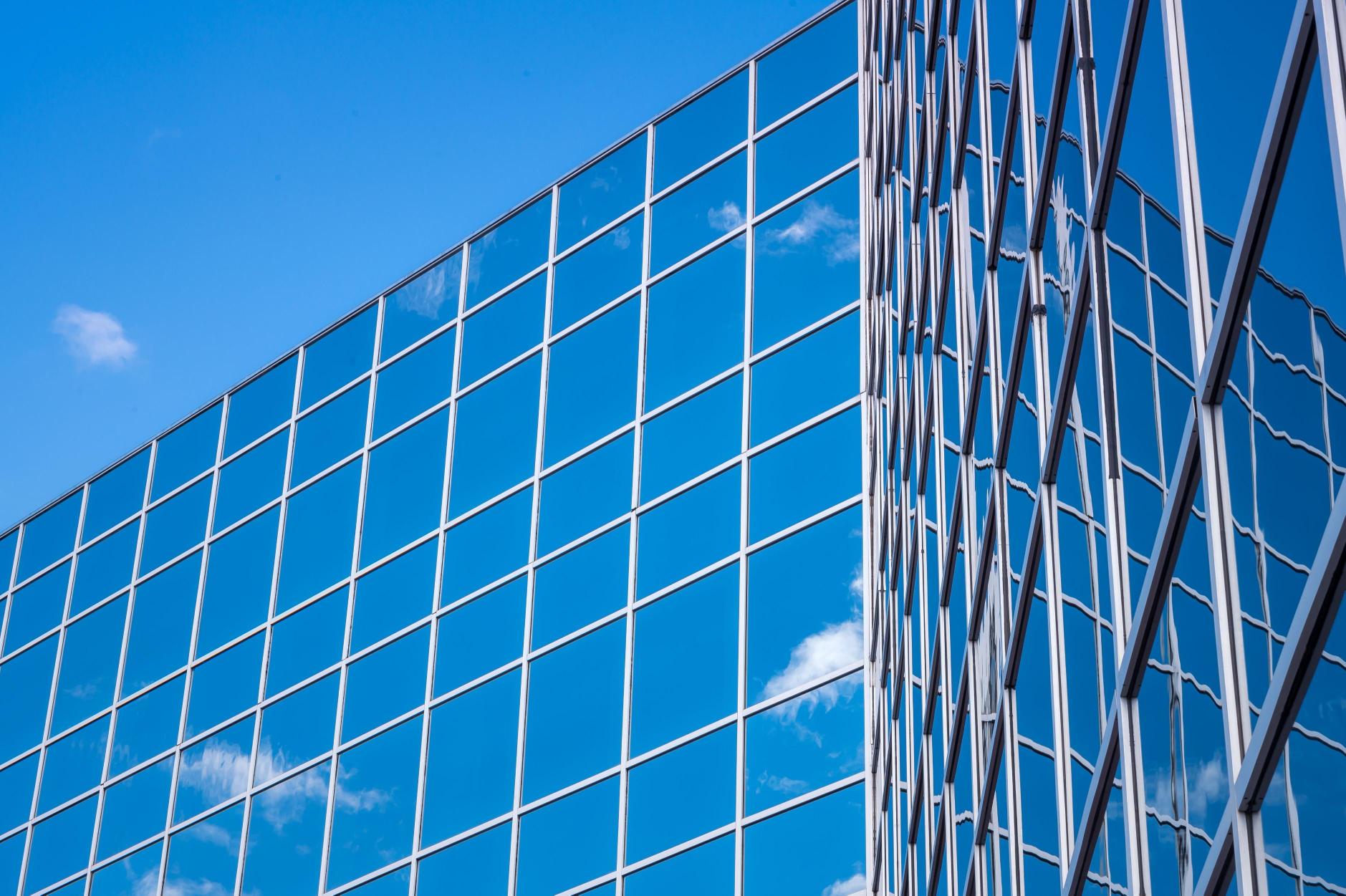
The US architectural and construction glass market is experiencing steady growth, supported by urban development, energy-efficiency regulations, and growing demand for advanced glazing technologies. The market is valued at approximately USD 24.8 billion and is projected to expand at a CAGR of around 5.4%, reaching nearly USD 42.2 billion by the end of the forecast period. Increasing adoption of low-emissivity (Low-E) glass, smart glass, and high-performance façade solutions across commercial, residential, and institutional buildings is transforming the industry. Sustainability goals and net-zero building initiatives are further accelerating innovation and investment across the market.
Market Drivers Advancing the US Architectural and Construction Glass Growth
Rising Demand for Energy-Efficient Building Materials
Energy efficiency has become a major priority for property developers, architects, and building owners across the United States. Architectural glass products such as Low-E glass, insulated glass units, and solar-control glazing help reduce heating and cooling costs while improving indoor comfort. As commercial and residential buildings seek to comply with stringent energy-performance standards, demand for advanced glass solutions continues to rise. Double and triple-pane glazing systems are increasingly replacing traditional alternatives, particularly in new urban developments and green building projects.
Growing Adoption of Smart and Advanced Glazing Technologies
Smart glass technologies are gaining traction across offices, airports, healthcare facilities, and premium residential buildings. Electrochromic glass, which automatically adjusts light transmission, is increasingly incorporated into retrofitting projects and new constructions. The growing focus on occupant comfort, daylight optimization, and sustainability has encouraged developers to invest in intelligent façade systems. Advancements in digital building management systems are further supporting the integration of smart glazing products.
Expanding Urban Infrastructure and Commercial Construction
Major metropolitan regions such as Austin, Seattle, New York, and Dallas continue to witness significant commercial and mixed-use development activities. The rise of high-rise office buildings, data centers, hospitality projects, and institutional infrastructure is generating substantial demand for architectural glass. Renovation of aging commercial properties is also creating opportunities for manufacturers specializing in energy-efficient and decorative glass products.
Government Initiatives Supporting US Architectural and Construction Glass Industry
Government initiatives promoting sustainable construction and energy conservation are supporting market growth. Building codes based on the International Energy Conservation Code (IECC) increasingly require enhanced building-envelope performance, encouraging the use of Low-E and high-performance insulated glass. Federal and state-level programs focused on reducing carbon emissions, improving energy efficiency, and advancing green building certifications have further stimulated investment in modern glazing technologies. Incentives for sustainable construction are expected to strengthen demand over the coming years.
Competitive Landscape of US Architectural and Construction Glass Sector
The US architectural and construction glass market is moderately consolidated, with major participants emphasizing capacity expansion, product innovation, and sustainability. Leading companies compete through advanced glazing technologies, energy-efficient product portfolios, and strong distribution networks. Manufacturers are investing in domestic production facilities to improve supply chain resilience and reduce logistics challenges. Strategic partnerships with architects, construction firms, and real estate developers remain essential for winning large-scale commercial and infrastructure projects.
Challenges Impacting US Architectural and Construction Glass Industry
High Production and Energy Costs
Glass manufacturing is energy-intensive, making producers vulnerable to fluctuations in fuel and electricity prices. Rising operational expenses can impact profit margins and increase product costs for end users, particularly during periods of economic uncertainty.
Supply Chain and Raw Material Constraints
Manufacturers continue to face challenges related to the availability of key raw materials and transportation bottlenecks. Delays in procurement and logistics can affect project timelines and create pricing pressures across the construction value chain.
Future Outlook
The future of the US architectural and construction glass market appears promising as sustainability, energy efficiency, and smart building technologies become industry priorities. Demand for advanced glazing solutions is expected to increase across commercial, residential, and institutional construction projects. Growing adoption of electrochromic glass, Low-E coatings, and low-carbon manufacturing processes will shape the competitive landscape. Investments in domestic manufacturing capacity and modernization of urban infrastructure are likely to create new growth opportunities. As green building standards become more stringent, architectural glass will play an increasingly important role in achieving long-term environmental and energy-efficiency objectives.
Consultants at Nexdigm, in their latest publication “US Architectural and Construction Glass Market Outlook to 2035 ,” analyze the sector By (Definition of Architectural Float Glass, Scope of Laminated Safety Glazing, Top-Down Market Sizing Framework, Bottom-Up Construction Project Pipeline, Demand-Side Architectural Specification Analysis).
Nexdigm suggests that businesses in the US Architectural and Construction Glass Industry focus on expanding energy-efficient glass offerings, strengthening domestic production capabilities, and leveraging smart glazing innovations to address evolving sustainability regulations, green building requirements, and rising demand from commercial construction projects.
To take the next step, simply visit our Request a Consultation page and share your requirements with us.
Harsh Mittal
+91-8422857704