
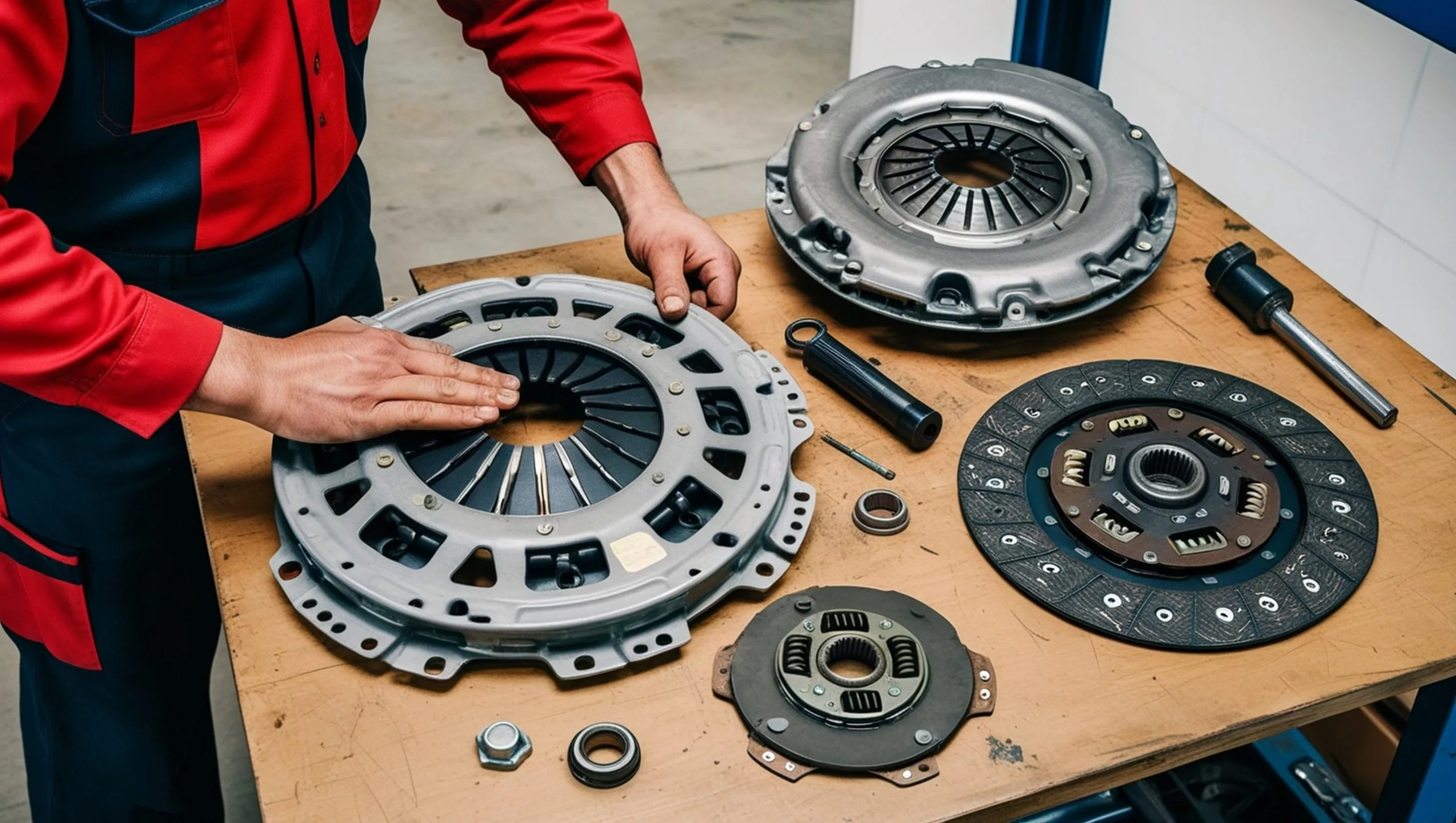
The clutches market in the United States remains an important part of the automotive drivetrain system, even as vehicle technologies continue to evolve. Clutches are responsible for connecting and disconnecting engine power from the transmission, making smooth gear shifts possible in manual, semi-automatic, and performance vehicles. The global market is valued at over $23 billion and is expected to cross $30 billion in the coming years. In the U.S., demand is supported not just by new vehicle production but also by replacement needs in older vehicles. Even with the rise of automatics, clutch systems continue to evolve rather than disappear.
Growth Drivers affecting the USA Clutches Market
Steady Vehicle Demand and Replacement Cycles
One of the most stable drivers of the clutch market is consistent vehicle usage and ownership in the U.S. Every new vehicle that uses a manual or semi-automatic system requires a clutch, ensuring steady OEM demand. Beyond new vehicles, the aftermarket is equally important because clutch components naturally wear out over time. With millions of vehicles on the road aging, replacement demand creates a continuous revenue stream for manufacturers. This makes the market relatively stable even when new vehicle preferences shift. It also supports long-term demand across both passenger and commercial segments.
Shift Toward Advanced and Hybrid Transmissions
Although automatic transmissions dominate the U.S. market, clutches still play a key role in many advanced systems. Performance vehicles, light commercial vehicles, and heavy-duty applications continue to rely on specialized clutch systems. In addition, technologies like dual-clutch transmissions are becoming more common, offering faster and smoother gear changes. Hybrid vehicles also use clutch-like systems to manage power flow between engines and electric motors. This is pushing manufacturers toward smarter, electronically controlled clutch solutions. As a result, the market is evolving rather than shrinking.
Growing Focus on Driving Performance and Efficiency
Modern drivers expect better performance, smoother driving, and improved fuel efficiency. Clutch systems are being redesigned to reduce friction loss and improve shifting quality. Advanced materials and precision engineering are helping enhance durability and responsiveness. These improvements are especially important in performance and commercial vehicle segments. Over time, innovation in clutch design is becoming a key competitive factor in the industry.
The USA Government Policies shaping the Clutches Market
Government regulations in the U.S. are indirectly shaping the clutches market by pushing automakers toward better fuel efficiency and lower emissions.
Environmental standards encourage the use of more efficient transmission systems, including advanced clutch technologies. Incentives for hybrid vehicles are also supporting the adoption of automated and electronically controlled clutch systems.
These policies are encouraging manufacturers to innovate and improve drivetrain efficiency.
Competitive Insights of The USA Clutches Market
The U.S. clutches market is highly competitive, with several global automotive suppliers driving innovation and technological advancement. Major players include BorgWarner Inc., Valeo, ZF Friedrichshafen AG, and Exedy Corporation. These companies are continuously investing in research and development to improve performance, durability, and efficiency of clutch systems. They are also focusing on integrating clutch technologies with modern transmission systems, including hybrid and automated drivetrains. Strategic partnerships with leading automakers are becoming increasingly important for product development and market expansion.
Market Challenges affecting The USA Clutches Industry
Declining Share of Manual Transmissions
One of the key challenges facing the U.S. clutches market is the steady decline of manual transmission vehicles. As consumer preference shifts strongly toward automatic and semi-automatic systems, demand for traditional clutch units is gradually decreasing. This trend is particularly evident in passenger vehicles, where convenience and ease of driving are now top priorities. As a result, manufacturers are increasingly forced to transition toward advanced clutch systems such as dual-clutch and automated solutions. This shift requires significant investment in redesigning product portfolios and adapting to new drivetrain architectures.
Rising Complexity and Development Costs
Modern clutch systems are becoming significantly more advanced, especially with the growing integration of hybrid and electronic vehicle technologies. This evolution increases the complexity of design, testing, and manufacturing processes. Higher precision requirements and stricter performance standards also add to development challenges. At the same time, rising research and development costs are putting pressure on manufacturers’ margins. Smaller suppliers, in particular, may struggle to keep up with these investments, making consolidation and partnerships more common in the industry.
Future Outlook
The U.S. clutches market is expected to grow steadily but with a changing structure. While traditional manual clutch demand may decline, growth will be supported by hybrid vehicles, dual-clutch systems, and performance applications. Technological advancements will make clutch systems more efficient, durable, and electronically controlled. At the same time, replacement demand from the aftermarket will continue to provide stability. Overall, the market will evolve alongside the automotive industry, adapting to new mobility trends while still remaining an essential part of vehicle drivetrain systems.
Consultants at Nexdigm, in their latest publication USA Clutches Market Outlook to 2030, analyze the sector by System Type (Manual Clutches, Automatic Clutches, Semi-automatic Clutches, Pneumatic Clutches), by Fitment Type (OEM System, Aftermarket Systems, Refurbished and Heavy-Duty Systems).
Nexdigm suggests that businesses in the USA should strengthen R&D efforts to enhance performance, durability, and system integration, while also adopting digital engineering and advanced manufacturing practices. Equally important is building resilient supply chains, diversifying product offerings, and upskilling the workforce. These steps will help businesses manage increasing technological complexity and remain competitive in a rapidly evolving automotive landscape.
To take the next step, simply visit our Request a Consultation page and share your requirements with us.
Harsh Mittal
+91-8422857704