
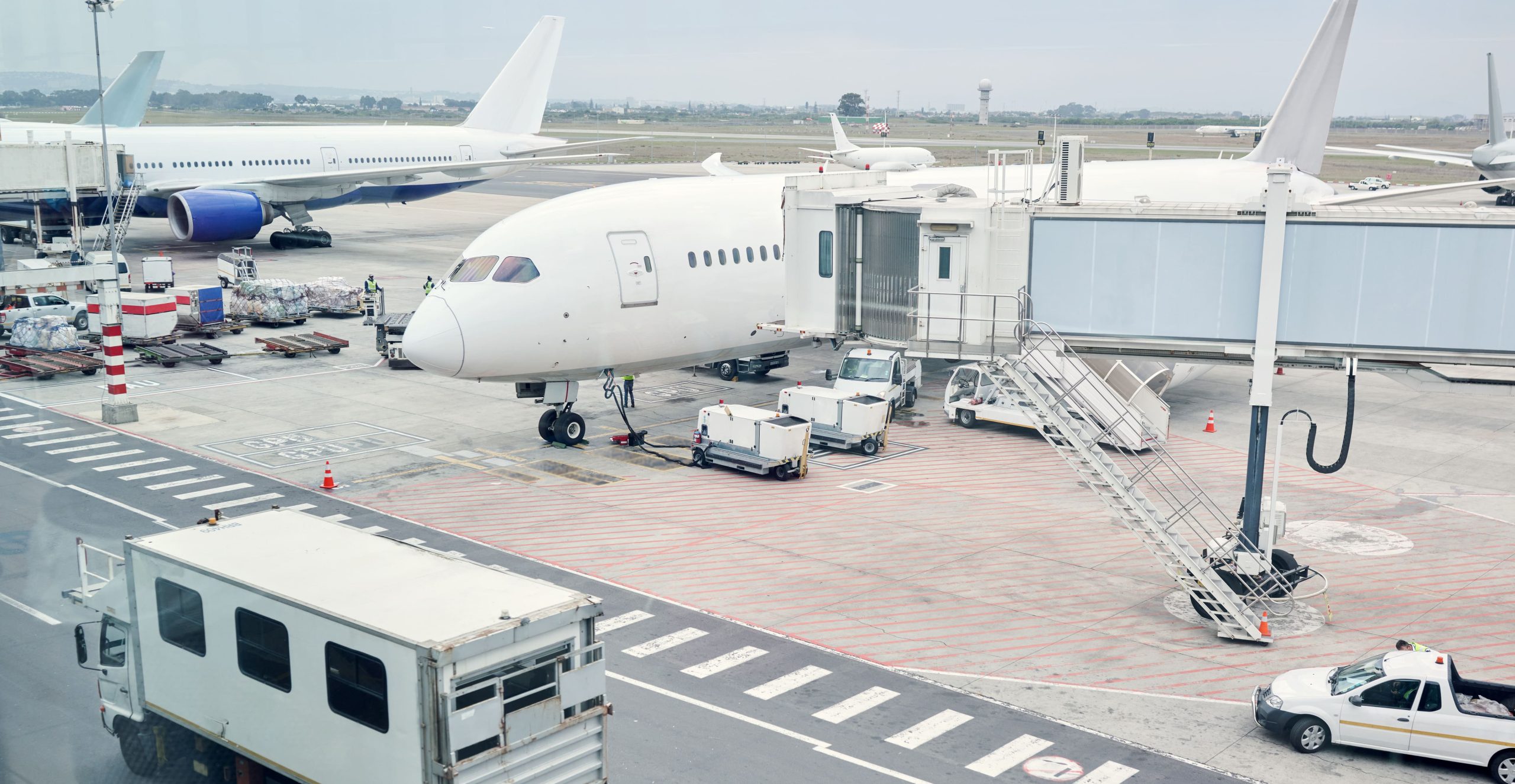
The US aviation infrastructure market is entering a critical modernization phase as passenger traffic rebounds strongly and capacity constraints become more pronounced at major airports. As of 2026, the US remains the world’s largest aviation market, operating over 5,000 public-use airports and accounting for more than one-third of global passenger traffic. However, much of the country’s airport and air traffic control infrastructure is aging, with several terminals and runways built over four decades ago. Rising passenger volumes, expansion of low-cost carriers, and growth in air cargo are straining existing facilities. This is accelerating investments in terminal redevelopment, runway expansion, digital air traffic management, and sustainable airport infrastructure as the US aims to future-proof its aviation network through 2035.
What’s Driving the Aviation Infrastructure Market in the US?
Rising Passenger Traffic and Hub Congestion
US air travel demand continues to rise across both domestic and international routes, driven by economic growth and normalization of tourism and business travel. Major hubs such as Atlanta, Los Angeles, Dallas–Fort Worth, and Chicago O’Hare are experiencing terminal congestion and peak-hour capacity pressure. Airlines are also expanding point-to-point connectivity via secondary airports, driving investments in regional airport upgrades, apron development, and gate expansion to improve throughput and passenger experience.
Growth in Air Cargo and E-Commerce Logistics
The expansion of e-commerce and time-sensitive logistics is increasing demand for modern cargo infrastructure. Key air freight hubs are investing in cargo terminals, automated handling systems, cold-chain facilities, and improved multimodal connectivity. Airports located near logistics corridors are positioning themselves as regional cargo gateways, supporting higher freight volumes and faster turnaround times through digital tracking and warehouse automation.
Digitalization and Smart Airport Adoption
Airports across the US are increasingly adopting smart infrastructure such as biometric passenger processing, AI-enabled security screening, predictive maintenance for runways and terminals, and integrated airport operations control centers. At the system level, the transition toward satellite-based navigation and digital air traffic control is improving airspace efficiency and reducing delays. These technologies are strengthening operational resilience while lowering long-term operating costs.
Government-Led Investments and Policy Support
Federal and state governments continue to prioritize aviation infrastructure through multi-year funding programs and public-private partnership models. The Federal Aviation Administration is supporting runway safety programs, terminal modernization, and air traffic management upgrades. Sustainability-linked incentives are encouraging airports to adopt energy-efficient terminals, electric ground support equipment, and low-emission operations. These measures are improving infrastructure resilience and aligning airport development with long-term decarbonization goals.
Market Competition and Project Landscape
The US aviation infrastructure market is project-driven and highly competitive, with large EPC and engineering firms such as AECOM, Jacobs Solutions, Bechtel, Skanska USA, and Turner Construction leading major airport redevelopment programs. Technology providers and systems integrators are playing a growing role in delivering digital air traffic management, cybersecurity, and smart terminal solutions. Consortium-based project delivery models are becoming more common for large-scale airport modernization initiatives.
Aging Assets and Funding Constraints
A significant share of US aviation infrastructure is nearing the end of its design life, driving up maintenance costs and operational risks. Large-scale redevelopment projects often face budget overruns, long approval cycles, and complex stakeholder coordination. Environmental clearances and community consultations can further delay execution timelines.
Workforce and Supply Chain Pressures
Skilled labor shortages in construction and aviation systems engineering, along with supply chain volatility for materials and digital equipment, are increasing project delivery risks and cost pressures for infrastructure developers.
Future Outlook
The US aviation infrastructure market is expected to see sustained investment through 2035, driven by passenger growth, cargo expansion, and digital modernization. By 2035, major hubs are likely to complete large-scale terminal redevelopment, while regional airports will play a larger role in decongesting primary hubs.
Consultants at Nexdigm, in their latest publication “US Aviation Infrastructure Market Outlook to 2035: By Infrastructure Type (Runways & Aprons, Passenger Terminals, Cargo Facilities, ATC Systems, MRO Infrastructure), By Airport Type (Large Hub, Medium & Small Hub, Regional Airports), and By Funding Model (Public, PPP, Private)”, believe stakeholders should prioritize digital ATC upgrades, cargo-focused infrastructure, and sustainability-led airport development to gain long-term competitive advantage.
To take the next step, simply visit our Request a Consultation page and share your requirements with us.
Harsh Mittal
+91-8422857704