
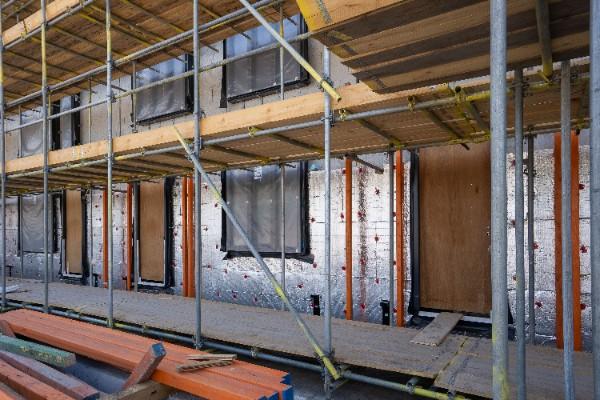
The US building thermal insulation industry is experiencing steady growth, supported by rising energy-efficiency requirements, increasing construction activities, and large-scale retrofitting projects. The industry is valued at approximately USD 22.45 billion and is projected to expand at a 5.6% CAGR, reaching nearly USD 38.68 billion by the end of the forecast period. Growing demand for high-performance insulation materials such as spray polyurethane foam, mineral wool, and recycled cellulose is driving adoption across residential and commercial buildings. The industry’s expansion is further supported by sustainability initiatives and stricter building performance standards nationwide.
Market Drivers Advancing US Building Thermal Insulation Growth
Increasing Demand for Energy-Efficient Buildings
Growing awareness regarding energy conservation and rising utility costs are encouraging homeowners, developers, and commercial property owners to invest in advanced insulation solutions. High-performance thermal insulation helps reduce heating and cooling expenses while improving indoor comfort and building efficiency. As building owners focus on reducing operational costs and achieving sustainability goals, demand for enhanced insulation materials is increasing across both new construction and renovation projects.
Expansion of Building Retrofit Activities
Major metropolitan areas such as Chicago and other mature urban centers are witnessing a rise in retrofitting projects aimed at improving the energy performance of aging structures. Upgrades involving wall insulation, roof insulation, and building envelope improvements are generating significant demand for thermal insulation products. The growing need to comply with modern energy-efficiency standards is accelerating insulation replacement and renovation activities across residential, commercial, and institutional buildings.
Innovation in Sustainable Insulation Materials
Manufacturers are expanding production capacities for mineral wool, recycled cellulose, and other environmentally friendly insulation products. Advanced insulation technologies provide superior thermal performance while supporting sustainability objectives. The increasing use of low-carbon and recyclable materials is attracting environmentally conscious developers seeking solutions that contribute to green building certifications and carbon reduction targets.
Government Initiatives Supporting US Building Thermal Insulation Industry
Government support for energy-efficient construction continues to strengthen the industry. Updated Department of Energy (DOE) building envelope performance standards are encouraging wider adoption of advanced insulation systems. In addition, incentives under the Inflation Reduction Act (IRA) provide tax credits and financial support for residential and commercial energy-efficiency improvements. These measures are accelerating insulation upgrades while promoting sustainable construction practices across the country.
Competitive Landscape of US Building Thermal Insulation Sector
The industry is highly competitive, with leading manufacturers focusing on innovation, sustainability, and product performance. Companies such as Owens Corning, Johns Manville, Knauf Insulation, and CertainTeed continue to expand production capacities and introduce advanced insulation products. Competition is increasingly centered on thermal efficiency, environmental performance, fire resistance, and compliance with building standards. Strategic investments in recycled materials and sustainable manufacturing processes are also strengthening competitive positioning.
Challenges Impacting US Building Thermal Insulation Industry
Volatility in Raw Material Costs
Manufacturers often face fluctuations in the prices of petrochemicals, fiberglass components, and recycled materials used in insulation production. These variations can impact profit margins and the overall cost of insulation products.
Skilled Labor and Installation Constraints
The effectiveness of thermal insulation depends heavily on proper installation. Shortages of skilled labor and increasing installation costs can affect project timelines and reduce adoption rates, particularly for advanced insulation systems requiring specialized expertise.
Future Outlook
The future of the US building thermal insulation industry is expected to benefit from increasing investments in energy-efficient construction, green building initiatives, and large-scale renovation projects. Continued growth in residential housing, commercial developments, and industrial facilities will support sustained demand for advanced insulation materials designed to improve building performance and reduce energy consumption.
Technological advancements in sustainable insulation products, including recycled cellulose, mineral wool, and high-performance spray foam solutions, are expected to further strengthen industry expansion. As regulatory requirements become more stringent and sustainability objectives gain importance, thermal insulation will remain a critical component of the nation’s energy-efficiency and carbon-reduction strategy.
Consultants at Nexdigm, in their latest publication “US Building Thermal Insulation Market Outlook to 2035 ,” analyze the sector By (Primary Industry Expert Interviews, Building Code Analysis Review, Top-down Macroeconomic Sizing, Bottom-up Construction Project Tracking, Supply Side Manufacturer Audits,).
Nexdigm suggests that businesses in the US Building Thermal Insulation Industry focus on energy-efficient construction, green building standards, and advanced insulation technologies. Growing emphasis on sustainability, reduced energy consumption, and regulatory compliance creates opportunities for innovation, market expansion, and long-term competitive advantage.
To take the next step, simply visit our Request a Consultation page and share your requirements with us.
Harsh Mittal
+91-8422857704