
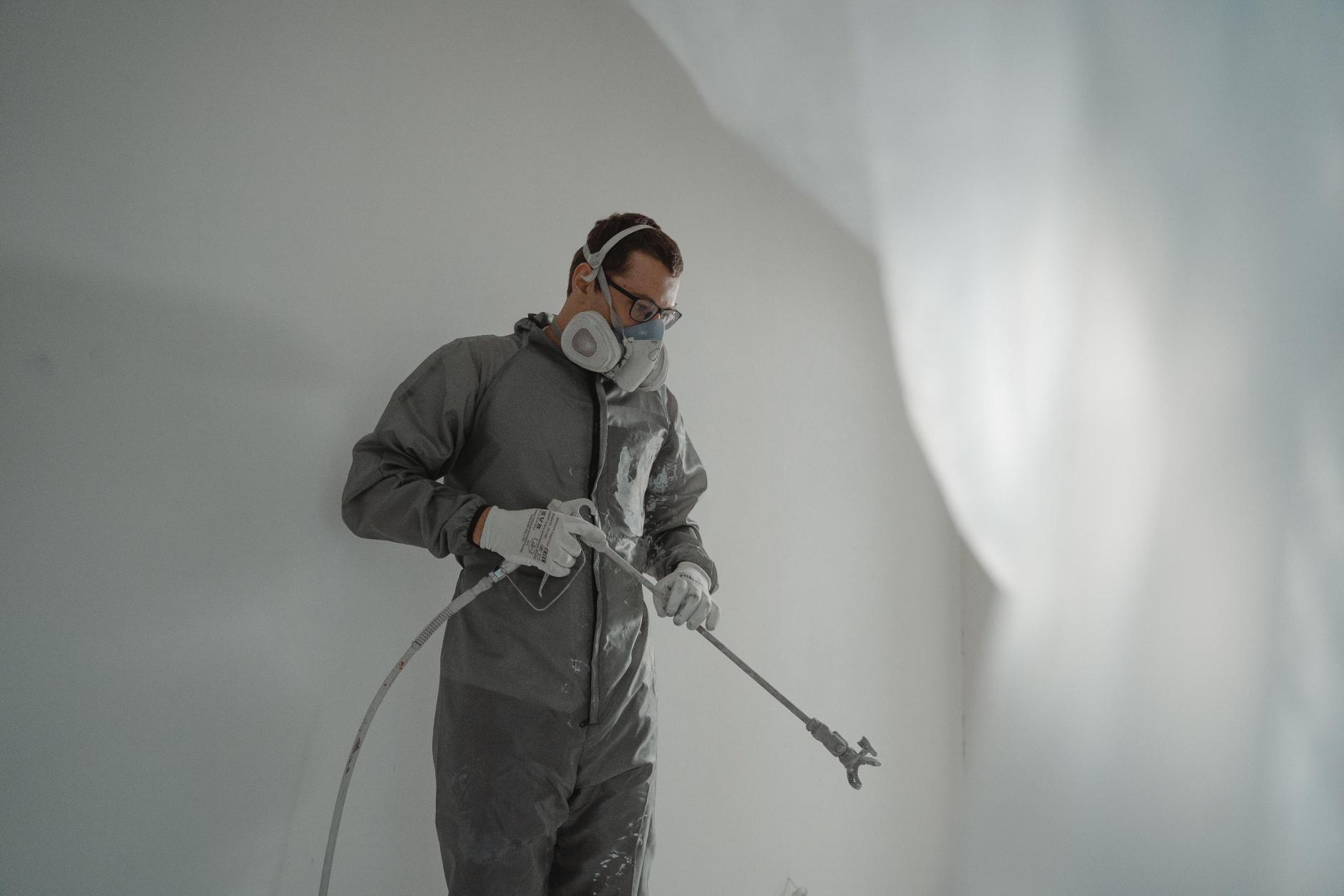
The US construction coatings market is witnessing steady expansion, supported by rising infrastructure spending, commercial construction activities, and growing demand for durable building materials. Valued at USD 12.42 billion, the market is projected to reach approximately USD 21.14 billion by 2035, growing at a 5.5% CAGR during the forecast period. Increasing adoption of protective, anti-corrosive, and energy-efficient coatings across residential, commercial, and industrial projects is strengthening market growth. Sustainability requirements and evolving building standards are also encouraging innovation in advanced construction coating solutions.
Market Drivers Advancing the US Construction Coatings Growth
Rising Demand for Durable and Protective Coatings
A major growth driver for the US construction coatings market is the increasing preference for high-performance coatings that improve asset longevity and reduce maintenance costs. Commercial property owners and infrastructure developers are investing in anti-corrosive and weather-resistant coatings to protect structures from environmental degradation. These coatings help extend the lifespan of bridges, commercial buildings, industrial facilities, and public infrastructure, making them an essential component of modern construction projects.
Growth in Infrastructure and Urban Development Projects
Infrastructure modernization programs and rising urban construction activities continue to generate strong demand for construction coatings. Rapid development across metropolitan and Sun Belt regions has increased the need for protective coatings for roads, airports, public facilities, and commercial structures. As construction investments expand, coating manufacturers benefit from greater demand for exterior and interior applications that enhance durability, aesthetics, and structural performance.
Shift Toward Sustainable and Energy-Efficient Coatings
Sustainability trends are transforming the market landscape. Builders and project developers are increasingly adopting low-VOC, waterborne, and bio-based coating formulations to comply with environmental regulations and green building standards. Demand for heat-reflective roof coatings and energy-efficient exterior coatings is also rising as building owners seek to reduce cooling costs and improve energy performance. This shift is encouraging manufacturers to develop environmentally friendly solutions while maintaining high durability standards.
Government Initiatives Supporting US Construction Coatings Industry
The US government continues to promote infrastructure development and sustainable construction through various funding programs and regulatory initiatives. Environmental regulations targeting volatile organic compound (VOC) emissions encourage the adoption of low-solvent and waterborne coating technologies. Additionally, federal and state investments in transportation networks, public infrastructure, and energy-efficient buildings create long-term opportunities for construction of coating manufacturers and suppliers across the country.
Competitive Landscape of US Construction Coatings Sector
The US construction coatings market is highly competitive, with established players focusing on product innovation, sustainability, and capacity expansion. Major companies such as Sherwin-Williams, PPG Industries, RPM International, and Axalta Coating Systems continue to invest in advanced coating technologies and eco-friendly formulations. Strategic partnerships, acquisitions, and research initiatives aimed at improving coating performance remain key competitive strategies within the industry.
Challenges Impacting US Construction Coatings Industry
Stringent Environmental Compliance Requirements
Manufacturers face increasing pressure to comply with strict environmental regulations governing VOC emissions and chemical usage. Meeting these requirements often requires significant investment in research, reformulation, and production upgrades, which can increase operational costs.
Raw Material Price Volatility
Fluctuations in resin, pigment, and specialty chemical prices create uncertainty for coating producers. Supply chain disruptions and changing feedstock costs can affect profitability and pricing strategies, particularly manufacturers dependent on imported raw materials.
Future Outlook
The future of the US construction coatings market remains optimistic, driven by ongoing infrastructure investments, sustainable construction practices, and technological advancements. Demand energy-efficient, bio-based, and high-durability coatings is expected to increase steadily over the coming years. Manufacturers that prioritize innovation, regulatory compliance, and environmentally responsible products will be well-positioned to capitalize on emerging opportunities. As urban development accelerates and infrastructure modernization continues, construction coatings will play a critical role in enhancing the durability, efficiency, and sustainability of the built environment.
Consultants at Nexdigm, in their latest publication “US Construction Coatings Market Outlook to 2035,” analyze the sector By (Construction sector spending analysis, Top-down coating volume estimation, Bottom-up shipment value tracking, EPA regulatory impact assessment, Expert interview primary surveys, Supply side capacity mapping,).
Nexdigm suggests that businesses in the US Construction Coatings Industry focus on developing sustainable, low-VOC, and high-performance coating solutions while aligning with infrastructure modernization trends, environmental regulations, and growing demand for durable, energy-efficient construction materials to strengthen long-term market competitiveness.
To take the next step, simply visit our Request a Consultation page and share your requirements with us.
Harsh Mittal
+91-8422857704