
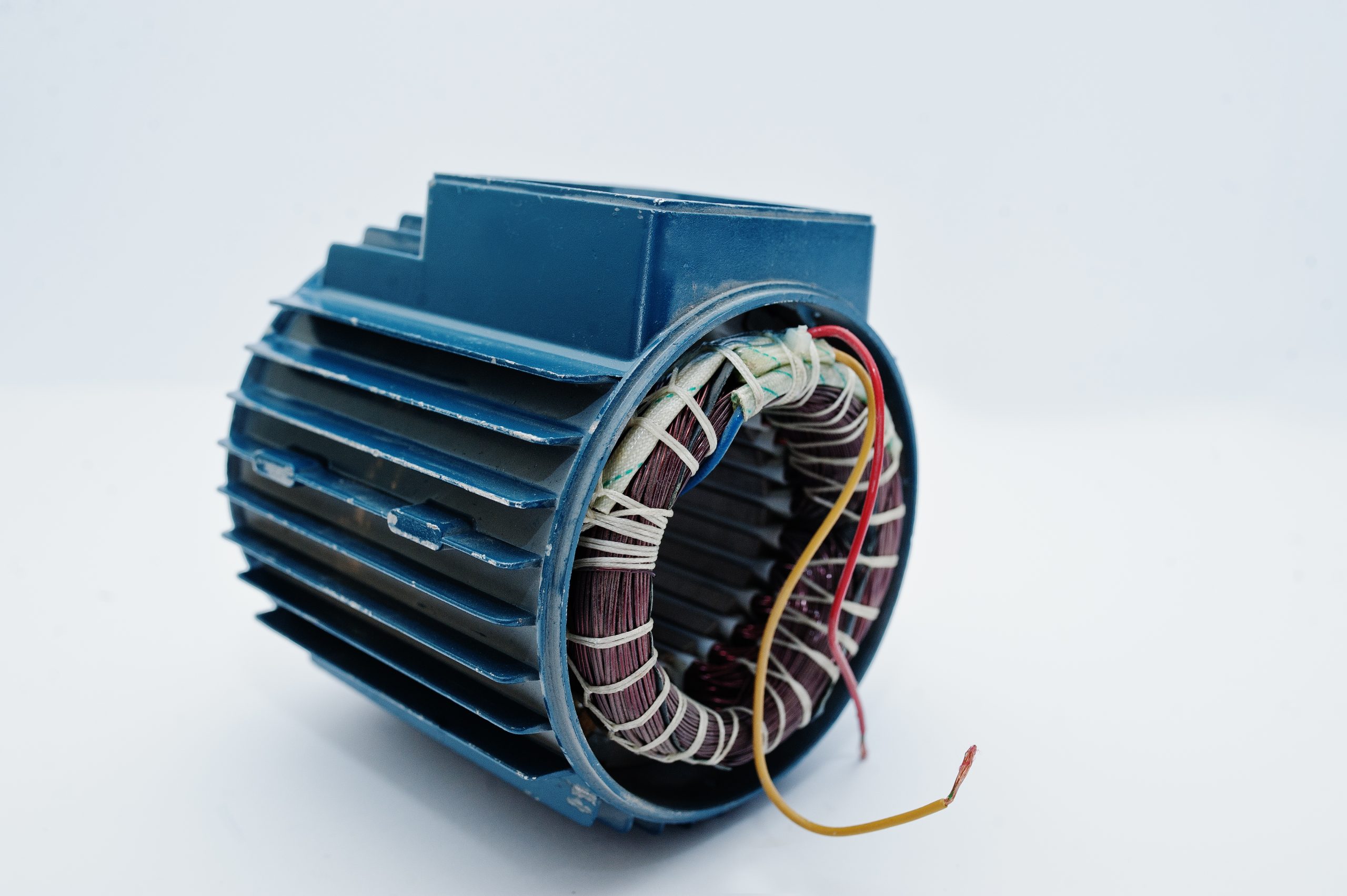
The US electric traction motors market is expected to experience significant growth through 2035, supported by electric vehicle adoption, commercial fleet electrification, and advancements in powertrain technologies. Electric traction motors are essential components in battery electric vehicles, hybrid vehicles, electric buses, trucks, and rail transportation. Increasing investments in domestic EV manufacturing and high-performance motor technologies are creating new opportunities for suppliers. According to Nexdigm, the US electric traction motors market was valued at USD 12.4 billion in 2025 and is projected to reach USD 46.86 billion by 2035, registering a CAGR of 14.2%.
Key Market Drivers Accelerating Electric Traction Motors Demand in the US
Growing Adoption of Electric Vehicles and Electrified Powertrains
The increasing adoption of electric and hybrid vehicles is a major factor supporting demand for traction motors across the United States. Automakers are investing in advanced powertrain systems that deliver higher torque, improved efficiency, and better driving performance. According to the International Energy Agency, US electric car sales reached approximately 1.6 million units in 2024, accounting for more than 10% of total car sales. This expanding vehicle market is encouraging manufacturers to develop permanent magnet synchronous motors, induction motors, and other advanced traction technologies. Demand is also supported by investments in electric SUVs, passenger cars, and light commercial vehicles.
Electrification of Commercial Fleets and Public Transportation
Commercial fleet operators are increasingly exploring electric trucks, delivery vans, and buses to reduce fuel expenses and operating emissions. Electric traction motors are central to these vehicles because they provide the torque and performance required for frequent acceleration and heavy-duty operations. Transit agencies are also investing in battery-electric buses, creating opportunities for motor suppliers. Last-mile delivery, municipal transportation, and warehouse logistics are particularly promising applications because their predictable routes and centralized charging facilities can simplify fleet electrification.
Technological Advancements and Domestic Manufacturing Investments
Developments in silicon carbide inverters, thermal management, lightweight materials, and high-power-density motor designs are improving traction motor performance. Automakers are also focusing on localized supply chains to reduce dependence on imported components and manage procurement risks. The development of domestic battery, magnet, and power electronics manufacturing capabilities is expected to strengthen the broader electric powertrain ecosystem. These investments are creating opportunities for suppliers offering integrated motor, inverter, and transmission solutions.
Government Support and Electrification Initiatives Shaping Market Development
US federal and state initiatives have supported transportation electrification through vehicle incentives, charging infrastructure investments, and domestic clean-technology manufacturing programs. The Bipartisan Infrastructure Law allocated USD 7.5 billion for EV charging infrastructure through national and community programs. However, federal clean-vehicle purchase tax credits expired on September 30, 2025, changing the near-term incentive landscape. Research and development support for advanced vehicle technologies continues to influence innovation across the sector.
Competitive Landscape of the US Electric Traction Motors Industry
The US market features established automotive suppliers, electric vehicle manufacturers, and global powertrain technology companies. Key participants include BorgWarner, Nidec, Tesla, Dana Incorporated, and General Motors, alongside international suppliers such as Bosch and ABB. Competition is increasingly focused on motor efficiency, power density, thermal performance, cost optimization, and integrated e-drive systems. Companies are also investing in domestic production and advanced motor designs to strengthen supply chain resilience.
Market Challenges Affecting the US Electric Traction Motors Market
High Manufacturing Costs and Raw Material Dependence
Traction motor production requires copper, electrical steel, and, in some designs, rare-earth magnets. Price fluctuations and dependence on imported materials can increase manufacturing expenses and affect supplier margins. Developing alternative motor technologies and diversified sourcing networks requires additional investment.
Uncertainty in EV Adoption and Charging Infrastructure
Changes in government incentives, vehicle affordability, and consumer preferences can influence EV demand. Uneven charging infrastructure availability also creates challenges for commercial fleet operators, particularly those considering long-distance electric transportation.
Future Outlook
The US electric traction motors market is expected to benefit from continued investments in electric mobility, commercial fleet electrification, and advanced powertrain technologies. Permanent magnet synchronous motors, induction motors, and integrated e-drive systems are likely to remain important product categories. Manufacturers will increasingly focus on improving motor efficiency, reducing rare-earth material dependence, and developing cost-effective solutions. Although policy changes, infrastructure gaps, and raw material volatility may influence adoption, domestic manufacturing investments and technological innovation are expected to support long-term market expansion.
Consultants at Nexdigm, in their latest publication “US electric traction motors market outlook to 2035” analyze the sector By Motor Technology (Heavy Rare Earth- free Ferrit Motors, Neodymium-Iron Boron Sintered Motors, Surface-Mounted Magnet Topologies), By Induction Motors (Copper Rotor Bar Technologies, Cast Aluminum Rotor Cage Systems)
Nexdigm suggests that businesses should invest in efficient motor technologies, strengthen domestic supply chains, reduce raw material dependence, and develop cost-effective e-drive solutions to capitalize on growing EV adoption in the US.
To take the next step, simply visit our Request a Consultation page and share your requirements with us.
Harsh Mittal
+91-8422857704