
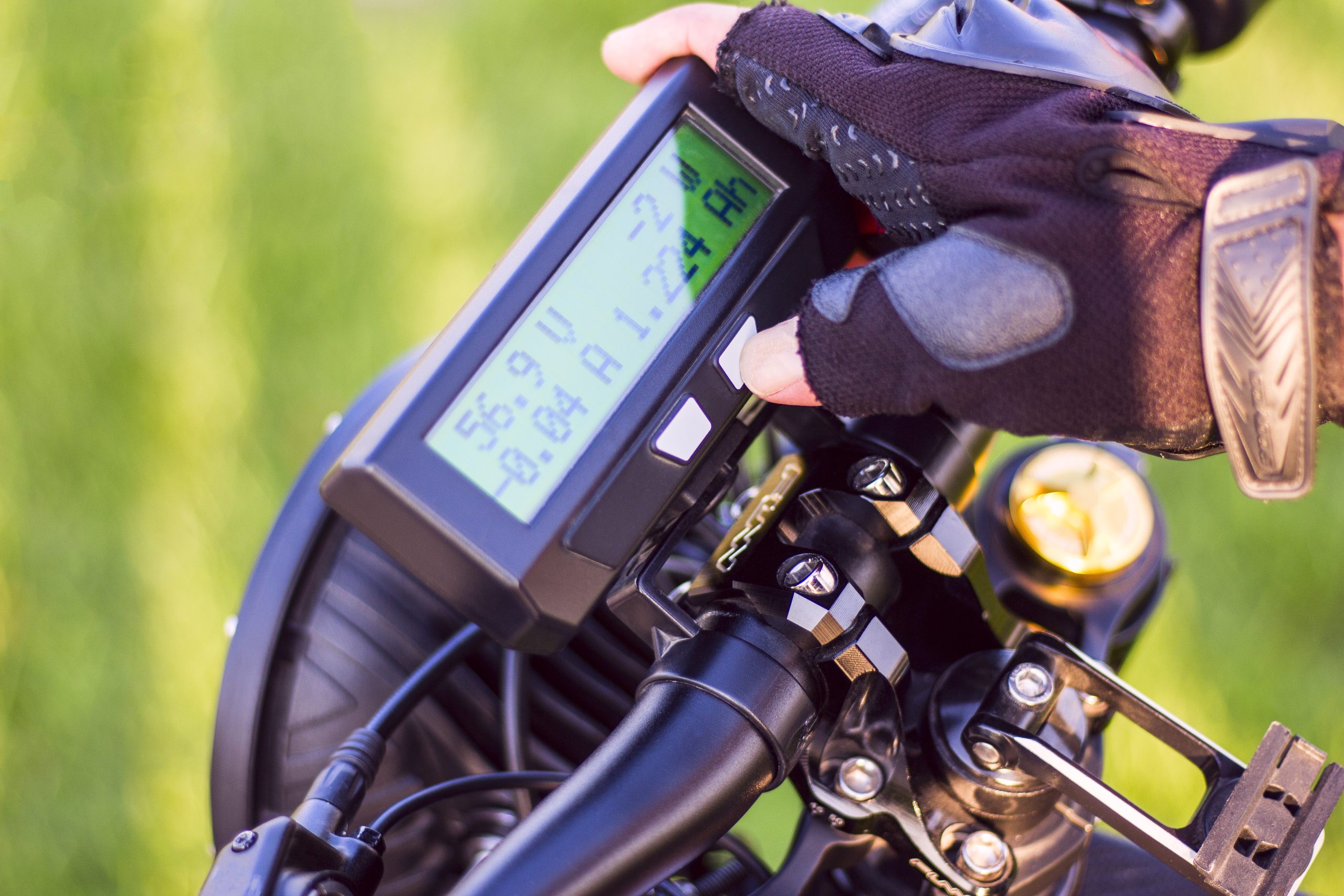
The US electric two-wheeler battery market is gaining momentum as consumers increasingly adopt electric bicycles, scooters, and motorcycles for convenient, affordable, and environmentally friendly transportation. Batteries are a critical component of these vehicles, directly influencing driving range, charging time, performance, and overall ownership costs. Growing urban mobility requirements, rising environmental awareness, and advancements in lithium-ion battery technology are creating new opportunities for manufacturers. The expanding micromobility ecosystem, supported by retail sales, rental services, and delivery applications, is further strengthening demand for reliable and high-performance battery solutions.
Key Market Drivers Are Accelerating Demand for Electric Two-Wheeler Batteries
Rising Electric Bicycle and Scooter Adoption Is Driving Battery Demand
The growing popularity of electric bicycles and scooters is one of the major factors supporting the US electric two-wheeler battery market. According to the US Consumer Product Safety Commission (CPSC), approximately 1.42 million e-bikes and 257,500 e-scooters were estimated to have been sold in the country in 2024. This expanding vehicle base is increasing demand for replacement and original equipment batteries. Consumers are also looking for batteries that offer longer ranges, faster charging, and improved durability, encouraging manufacturers to develop advanced lithium-ion solutions.
Advancements in Lithium-Ion Technology Are Improving Performance
Technological developments are transforming battery requirements across the electric two-wheeler industry. Lithium-ion batteries are gaining importance because of their high energy density, lighter weight, and ability to support repeated charging cycles. Manufacturers are investing in improved battery management systems (BMS), thermal management, and fast-charging capabilities to enhance safety and reliability. Additionally, innovations in battery chemistry and cell design are helping reduce weight while improving vehicle range. These improvements are making electric two-wheelers more practical for daily commuting and commercial applications.
Growing Urban Mobility and Delivery Services Are Expanding Opportunities
The expansion of last-mile delivery, shared mobility, and urban transportation services is creating additional demand for electric two-wheeler batteries. Delivery operators increasingly value electric bicycles and scooters because they can help reduce fuel expenses and operating costs in congested cities. Rental and sharing companies also require durable batteries that can withstand frequent charging and intensive usage. As these business models expand, battery manufacturers are likely to benefit from demand for higher-capacity batteries, replacement packs, and efficient charging solutions.
Government Support and Safety Initiatives Are Supporting Market Development
Government initiatives promoting clean transportation, cycling infrastructure, and micromobility safety are supporting the broader electric two-wheeler ecosystem in the United States. State and municipal governments have introduced e-bike incentive programs to encourage consumer adoption. Additionally, the Consumer Product Safety Commission is advancing regulatory efforts concerning lithium-ion battery safety in micromobility products. Standards such as UL 2849 for e-bike electrical systems and UL 2271 for light electric vehicle batteries are also important for improving product safety and consumer confidence.
Competitive Landscape Is Focused on Battery Innovation and Product Reliability
The US electric two-wheeler battery market includes global battery manufacturers, battery pack suppliers, and electric mobility technology companies. Key participants include Panasonic, Samsung SDI, LG Energy Solution, Bosch, and Shimano. Competition is primarily driven by battery performance, energy density, safety, charging efficiency, and product lifespan. Companies are focusing on advanced lithium-ion cells, intelligent battery management systems, and strategic partnerships with electric bicycle and scooter manufacturers to strengthen their market presence.
Market Challenges Are Creating Cost and Supply Chain Pressures
Battery Safety and Supply Chain Dependencies
Battery safety remains a major concern due to the risk of overheating, thermal runaway, and fire incidents associated with poorly manufactured or improperly handled lithium-ion batteries. Additionally, dependence on imported battery cells and raw materials can expose manufacturers to supply chain disruptions and price fluctuations.
High Initial Costs and Recycling Requirements
Advanced battery systems can increase the upfront cost of electric two-wheelers, potentially limiting adoption among price-sensitive consumers. Manufacturers must also address battery recycling, disposal, and end-of-life management to meet environmental expectations and support long-term sustainability.
Future Outlook
The US electric two-wheeler battery market is expected to experience continued growth through 2035, supported by increasing micromobility adoption and technological advancements in battery manufacturing. Lithium-ion technology is likely to remain central to market development, while improvements in energy density, charging speed, and battery safety will influence future product innovation. Growing demand from delivery fleets, rental operators, and individual commuters will create additional opportunities for battery suppliers. Furthermore, investments in domestic battery production, recycling infrastructure, and advanced battery management systems are expected to strengthen the industry’s long-term growth prospects.
Consultants at Nexdigm, in their latest publication “US electric traction motors market outlook to 2035” analyze the sector By Lithium Nickel Cobalt Aluminum Oxide (High Power Cells Architectures, Thermal Optimized Modules) By Vehicle Application (E-bicycles, Electric Scooters, Motorcycles, and Electric Mopeds)
Nexdigm suggests that businesses in the US electric two-wheeler battery market should focus on developing high-performance lithium-ion batteries, improving battery safety, and strengthening domestic supply chains.
To take the next step, simply visit our Request a Consultation page and share your requirements with us.
Harsh Mittal
+91-8422857704