
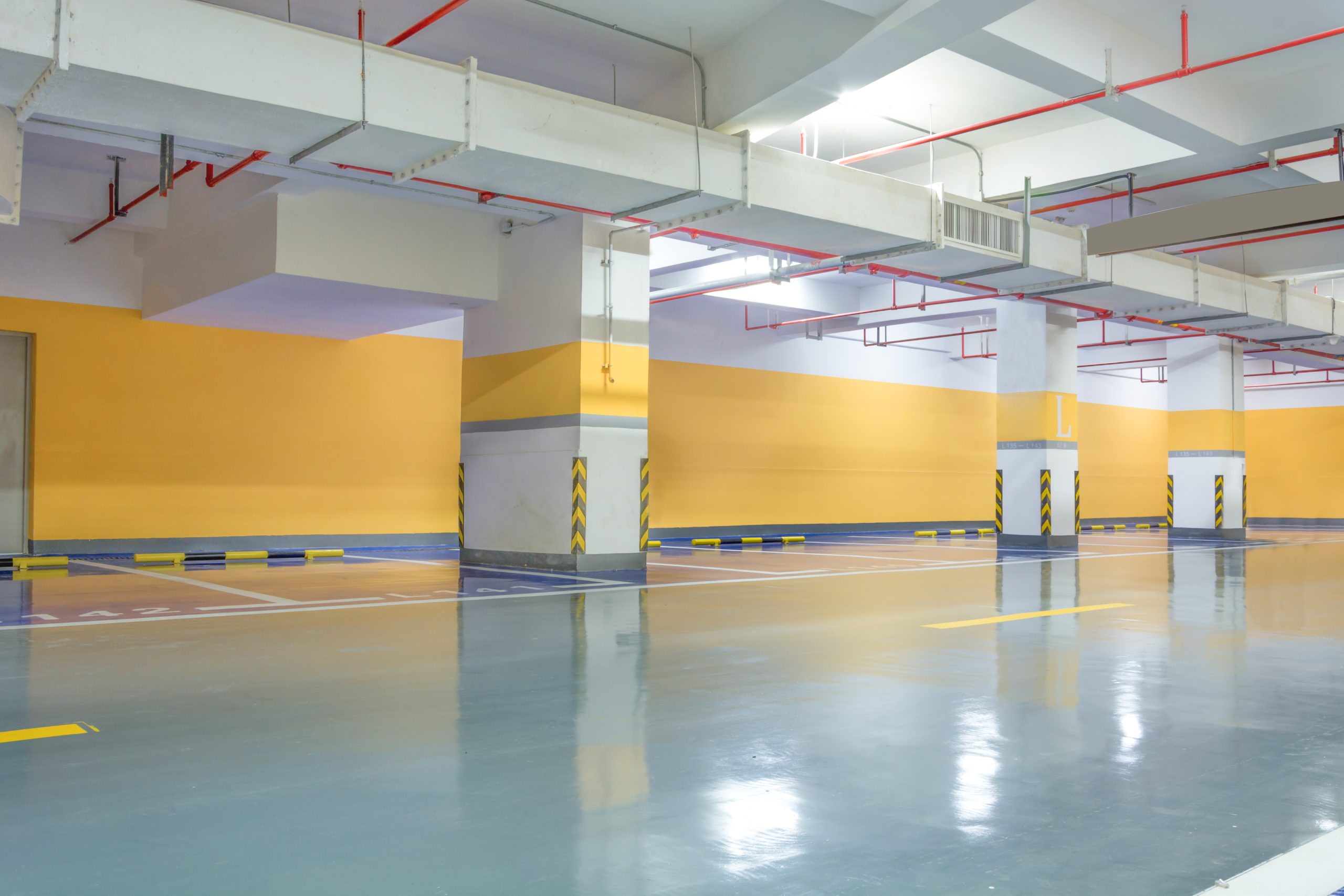
The US epoxy flooring market is witnessing strong growth, supported by expanding industrial infrastructure, commercial construction activity, and rising demand for durable surface protection systems. Epoxy flooring has become a preferred solution across manufacturing facilities, warehouses, healthcare centers, retail spaces, data centers, and logistics hubs due to its durability, chemical resistance, and low maintenance requirements. With total US construction spending exceeding USD 2.2 trillion annually and manufacturing construction investment remaining at historically elevated levels, demand for advanced flooring systems continues to gain momentum across both new developments and facility modernization projects.
Key Market Drivers for the US Epoxy Flooring Industry
Manufacturing Expansion and Industrial Facility Modernization Drive Flooring Demand
The rapid expansion of US manufacturing capacity is creating significant opportunities for epoxy flooring applications. Manufacturing construction spending in the United States has remained above USD 170 billion on an annualized basis, reflecting continued investments in factories, semiconductor facilities, battery plants, and industrial production sites. These facilities require flooring systems capable of handling heavy machinery, chemical exposure, and high operational traffic. Epoxy flooring offers superior durability, safety, and lifecycle performance, making it a preferred choice for modern industrial environments. As manufacturers focus on productivity and operational efficiency, demand for high-build and self-leveling epoxy systems continues to increase.
Warehousing, Logistics, and E-Commerce Infrastructure Support Market Growth
The continued expansion of logistics and distribution networks is another major growth catalyst for the US epoxy flooring market. Since 2020, more than 1.8 billion square feet of industrial space has been delivered across the United States, highlighting the scale of warehouse and logistics development. Large distribution centers require seamless, abrasion-resistant flooring capable of supporting heavy forklift traffic and continuous operations. Epoxy flooring solutions help improve safety, operational efficiency, and long-term maintenance performance, making them increasingly popular within modern logistics facilities and fulfillment centers.
Rising Adoption Across Healthcare, Commercial, and Data Center Facilities
Healthcare facilities, pharmaceutical plants, laboratories, and data centers are increasingly adopting epoxy flooring due to its hygienic, non-porous, and easy-to-clean properties. The growing need for antimicrobial environments and strict facility maintenance standards is encouraging investment in advanced flooring systems. Additionally, rising construction of data centers and technology facilities across the US is creating demand for durable flooring solutions capable of supporting specialized operational requirements. As sustainability and facility performance become key priorities, low-VOC and environmentally compliant epoxy systems are gaining wider acceptance across commercial applications.
Government Support and Infrastructure Initiatives Strengthen Market Opportunities for the US Epoxy Flooring Industry
The US government continues to support infrastructure modernization, domestic manufacturing expansion, clean-energy investments, and industrial development through various funding programs and policy initiatives. Investments in semiconductor manufacturing, electric vehicle production, logistics infrastructure, and public facility upgrades are generating demand for advanced construction materials, including high-performance flooring systems. These initiatives are encouraging facility modernization while creating long-term opportunities for epoxy flooring applications across industrial, commercial, and institutional projects.
Competitive Landscape of the US Epoxy Flooring Industry
The US epoxy flooring market features a combination of specialized flooring contractors, coating manufacturers, industrial material suppliers, and project engineering firms. Competitive differentiation is increasingly driven by product durability, sustainability credentials, technical expertise, customization capabilities, and installation efficiency. Market participants are focusing on low-VOC formulations, faster-curing technologies, and application-specific solutions that address evolving customer requirements across manufacturing, healthcare, logistics, and commercial sectors.
Major Challenges Facing the US Epoxy Flooring Industry
Volatility in Raw Material and Resin Costs
Epoxy flooring manufacturers remain vulnerable to fluctuations in the prices of epoxy resins, hardeners, and petrochemical-based raw materials. Changes in global supply chains, transportation costs, and feedstock availability can influence product pricing and project profitability, creating challenges for suppliers and contractors.
Increasing Environmental Compliance Requirements
Growing emphasis on environmental sustainability and air-quality regulations is pushing manufacturers to develop low-emission, environmentally compliant flooring systems. Meeting evolving VOC standards while maintaining product performance requires continuous investment in product innovation, testing, and certification processes.
Future Outlook
Looking ahead, the US epoxy flooring market is poised for sustained growth, supported by continued investments in industrial expansion, advanced manufacturing, logistics infrastructure, healthcare facilities, and data center development. With US construction spending exceeding USD 2.0 trillion annually and manufacturing construction remaining at historically elevated levels, demand for high-performance flooring solutions is expected to remain strong. The market will increasingly benefit from the adoption of low-VOC, sustainable, and technologically advanced epoxy systems that improve durability, workplace safety, and operational efficiency. As industries modernize and facility owners prioritize long-term asset performance, epoxy flooring is expected to play an increasingly critical role across the nation’s evolving commercial and industrial infrastructure landscape through 2035.
Consultants at Nexdigm, in their latest publication “US Epoxy Flooring Market Outlook to 2035,” analyse the sector By Flooring System Type (Industrial Grade Urethanes, High-Build Solvent-Free Epoxies and Broadcast Quartz Systems), By Resin Chemistry (Water-Borne Epoxy, Solvent-Based Epoxy and 100% Solids Epoxy) and By Industry Application (Automative Manufacturing Facilities, Aviation Hangar Flooring and Residential Garage Conversions).
Nexdigm suggests that businesses in the US Epoxy Flooring Industry focus on developing durable, sustainable, and application-specific flooring solutions while strengthening partnerships across industrial and commercial sectors. Investments in advanced coating technologies, low-emission materials, and specialized installation capabilities will help companies capitalize on opportunities arising from infrastructure expansion, facility modernization, and evolving performance requirements.
To take the next step, simply visit our Request a Consultation page and share your requirements with us.
Harsh Mittal
+91-8422857704