
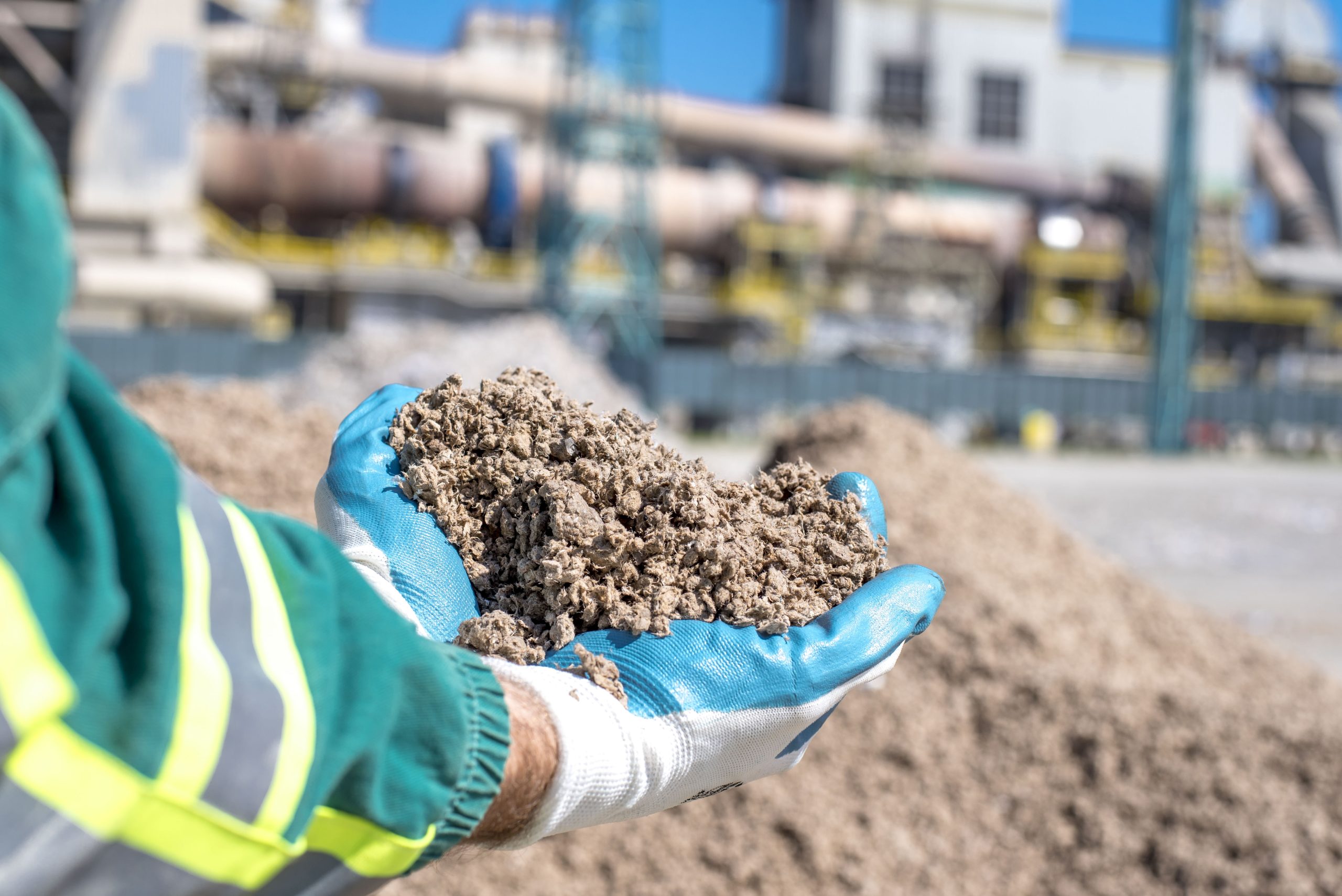
The US green cement industry is steadily becoming a cornerstone of sustainable construction as builders, developers, and policymakers seek practical ways to lower carbon emissions. Traditional cement manufacturing is responsible for nearly 7-8% of global CO₂ emissions, prompting growing interest in low-carbon alternatives. Green cement, produced using supplementary materials such as fly ash, slag, and calcined clay, helps reduce environmental impact without compromising performance. With increasing investments in sustainable buildings, resilient infrastructure, and net-zero construction projects, the US green cement market is emerging as a critical enabler of the country’s transition toward a greener built environment.
Market Drivers Advancing the US Green Cement Industry
Rising Demand for Low-Carbon Construction Materials Across the US
Sustainability is no longer just a buzzword in the American construction sector. Developers are increasingly under pressure from investors, tenants, and regulators to reduce the carbon footprint of buildings. Since cement production contributes significantly to global carbon emissions, green cement is gaining attention as a practical solution. Many commercial builders are incorporating low-carbon materials into project specifications to meet ESG goals and green building certification requirements. This shift is creating strong demand for environmentally responsible cement products across residential, commercial, and industrial construction projects.
US Infrastructure Investments Creating New Opportunities
Massive investments in roads, bridges, transit systems, airports, and public facilities are supporting demand for sustainable construction materials. The United States continues to invest heavily in rebuilding and modernizing critical infrastructure, creating opportunities for green cement manufacturers. At the same time, green-certified building projects continue to expand nationwide. Sustainable construction practices are becoming increasingly common as organizations focus on lowering lifecycle emissions and improving building efficiency. Green cement aligns perfectly with these goals, making it an attractive material for large-scale infrastructure development.
Innovation Making Green Cement More Commercially Viable
Technology is rapidly transforming the US green cement industry. Manufacturers are developing advanced formulations that reduce clinker content and utilize industrial by-products that would otherwise become waste. Carbon capture technologies are also gaining momentum within the cement sector. Several producers are exploring methods to capture and store carbon emissions generated during manufacturing. These innovations not only improve environmental performance but also help position the industry for long-term competitiveness in a low-carbon economy.
Government Initiatives Supporting the US Green Cement Industry
The government of the United States is actively encouraging the adoption of low-carbon construction materials through infrastructure spending programs, clean manufacturing incentives, and sustainability-focused procurement policies. Federal initiatives supporting industrial decarbonization, combined with stricter environmental targets across several states, are encouraging cement producers to invest in greener production methods. These efforts are accelerating the commercialization and adoption of green cement throughout the country.
Competitive Landscape of the US Green Cement Sector
The US green cement industry features established cement manufacturers, innovative material technology companies, and emerging sustainability-focused producers. Market participants are expanding production capacity, developing low-carbon product portfolios, and forming strategic partnerships to strengthen their market presence. Competition is increasingly centered on carbon reduction capabilities, product innovation, and the ability to meet growing customer demand for sustainable building materials.
Challenges Impacting the US Green Cement Industry
Higher Production Costs Compared to Conventional Cement
Despite strong demand, green cement often requires substantial investment in specialized technologies, alternative raw materials, and upgraded manufacturing facilities. These additional costs can affect profitability and slow adoption in price-sensitive construction projects.
Industry Awareness and Standardization Gaps
Although interest is growing, many contractors and project owners remain unfamiliar with the performance benefits of green cement. In addition, varying certification requirements and technical standards across regions can complicate product adoption and market expansion.
Future Outlook
The future of the US green cement market looks highly promising as sustainability becomes a central priority across the construction value chain. Growing environmental awareness, expanding infrastructure investments, and continued advancements in low-carbon cement technologies are expected to drive long-term growth. As developers increasingly seek materials that balance performance with sustainability, green cement is likely to become a mainstream choice rather than a niche alternative. The industry’s evolution will play an important role in helping the United States build cleaner, more resilient, and more environmentally responsible infrastructure for future generations.
Consultants at Nexdigm, in their latest publication “US Green Cement Market Outlook to 2035” analyze the sector By Cementitious Binder Technology (Kaolinite-based Activation, Calcination Thermal Optimization and Low-Temperature Kiln Processes) and By Distribution Chanel (Direct-to-Ready-Mix producers, Infrastructure Government Procurement).
Nexdigm suggests that businesses in “US Green Cement Industry” focusses on oilfield, desalination, construction, and industrial applications, strengthen local warehousing, develop application-specific grades, improve technical support, and build resilient sourcing networks to serve expanding energy, water, and manufacturing demand.
To take the next step, simply visit our Request a Consultation page and share your requirements with us.
Harsh Mittal
+91-8422857704